
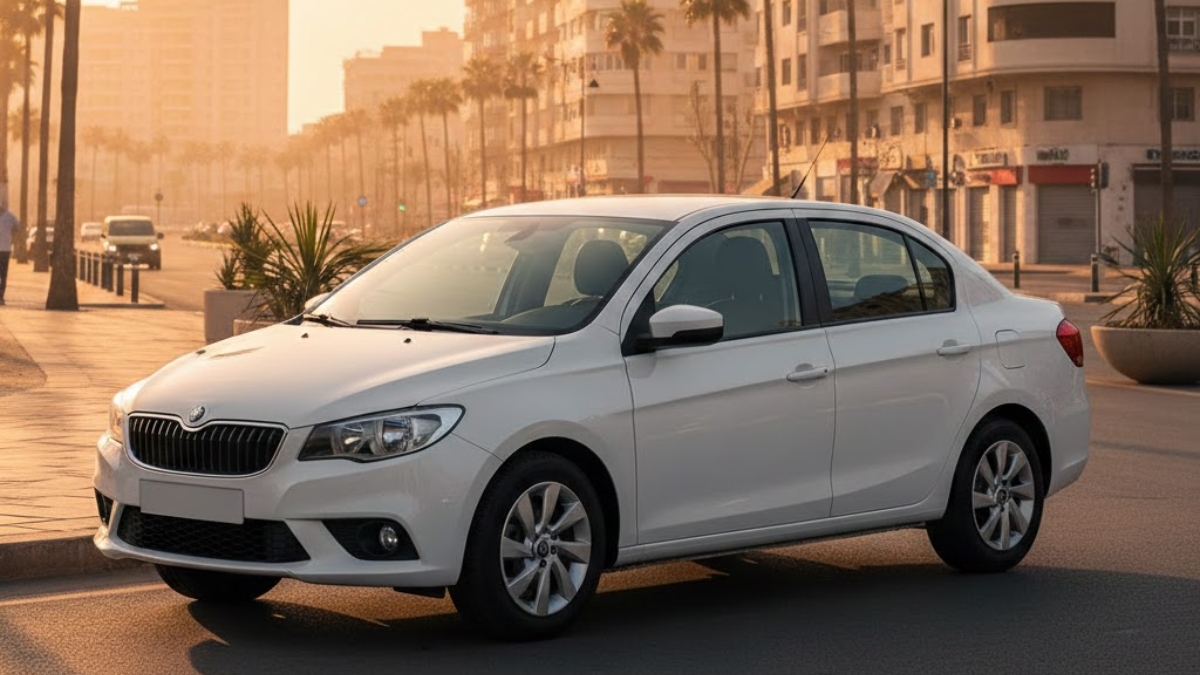
“No-deposit car rental in Casablanca” sounds simple: pick up a car, leave no cash or card hold, drive away. In reality, no-deposit can mean a few different things depending on the vehicle category, payment method, and most importantly, who the renter is. That’s why you’ll sometimes hear locals say “no deposit, easy,” while tourists are told, “deposit required.”
This article breaks down how the system typically works in Casablanca (Casa), why locals often qualify more easily, and what tourists can do to improve their chances, without falling into misunderstandings that lead to delays at pickup.
Table of contents
What “no-deposit” really means in Casablanca
Why locals get no-deposit more often
Why tourists sometimes don’t qualify
Casablanca-specific scenarios where no-deposit is common
How tourists can maximize their chances
What to avoid (red flags that trigger deposits)
FAQs
What “no-deposit” really means in Casablanca
In Casablanca rentals, “no-deposit” commonly falls into one of these setups:
1) True no security deposit
No cash deposit and no card pre-authorization hold. You pay your rental and drive. This is the simplest version, but it’s not always available, especially during peak dates or on higher-value vehicles.
2) No cash deposit, but a card hold
Some renters call this “no deposit” because they don’t hand over cash, but the company still places a temporary authorization hold on a card. This is not a charge; it’s a hold that reduces your available balance until released. If you’ve ever checked into a hotel and wondered why your card “lost” money temporarily, it’s the same concept. Stripe explains how these preauthorization holds work and why they’re used: https://stripe.com/resources/more/preauthorization-charges-on-credit-cards-what-they-are-and-how-long-they-last
3) Low deposit / reduced deposit
You still leave something, but it’s smaller—often used for economy cars, repeat customers, or “local profile” renters.
4) Deposit waived with upgraded coverage
Sometimes the deposit is reduced or waived when you take a higher protection level (terms vary by company). It’s not “free,” it’s a different risk model.
So when someone says “no deposit,” always ask: No cash? No hold? Or just lower deposit?
Why locals get no-deposit more often
This isn’t about favoritism. It’s mostly about verification and recoverability, how easy it is for the company to confirm identity, contact the renter, and manage risk.
Locals often have:
Moroccan ID (easy to verify)
A stable local address (sometimes provable)
A local phone number that stays reachable
Local banking/payment habits the agency sees every day
A known driving context (city familiarity, typical use patterns)
Repeat history with the same agency (huge factor)
In Casablanca especially, agencies serve a lot of local demand: weekend trips to Dar Bouazza / Tamaris, work commutes to Sidi Maârouf, family visits across neighborhoods, and business mobility around Anfa / Casablanca Finance City. For these patterns, agencies often build “trusted renter” policies—meaning reduced deposit or no deposit for profiles they can verify quickly.
Why tourists sometimes don’t qualify
Tourists can absolutely rent in Casablanca, but “no deposit” is where risk calculations get stricter. Common reasons tourists are asked for a deposit:
1) Harder identity and contact verification
A passport is valid ID, but agencies may still prefer:
local contactability (local SIM),
a stable local address (hotel helps, but it’s temporary),
or a strong booking trail.
2) Card type and card rules
Some agencies rely on a credit-card authorization hold for security. If a renter only has a debit card (or a card that blocks holds), the company may switch to cash deposit or require a higher deposit.
3) Higher probability of cross-city use
Tourists often do bigger loops: Casablanca → Rabat → Tangier, or Casablanca → Marrakech → Essaouira. That’s normal travel behavior, but it raises the stakes if something happens far from the base office.
4) Arrivals at busy times
Tourist pickups cluster around flight banks at CMN and train arrivals at Casa Voyageurs. When it’s crowded, agencies lean on the simplest risk policy: “deposit required” unless your profile clearly fits a no-deposit rule.
5) Unclear driver profile
If the booking is under one name but a different person will drive, or if the driver age/experience is borderline for the car category, deposits often appear.
Casablanca situations where no-deposit is most common
Even for tourists, “no deposit” tends to show up more often in these real-life situations:
Economy city cars, weekday rentals, clear itinerary
Casablanca weekday driving is often predictable: hotel → meetings → restaurant → hotel. If you’re booking a modest category with a clear plan, deposit requirements are more flexible.
Longer rentals (with stable conditions)
A longer booking can be seen as “more committed,” especially when everything else is clear and consistent. Not always—but often.
Repeat customers and referrals
If you’ve rented before, or your company has a relationship with a local provider, deposit policies can change dramatically.
Corporate rentals (invoices, company profile)
Directors visiting industrial zones, corporate offices, or conferences sometimes rent under company terms, which can reduce deposits or change the structure entirely.
How tourists can maximize their chances of getting no-deposit
You can’t force a no-deposit policy, but you can make yourself a low-friction, low-risk renter.
1) Send a clean “renter profile” message before arrival
A short message (WhatsApp/email) helps:
Full name (matches passport)
Driver license country + issue date
Flight/train arrival details
Hotel name + neighborhood (Ain Diab, Maarif, Downtown, etc.)
Planned use (city only vs intercity)
Second driver details (if needed)
2) Be flexible on car category
If you demand “SUV automatic” during peak dates, deposits are more likely. Flexibility in category can open more options.
3) Choose normal pickup hours when possible
After-hours handovers add complexity. If you can pick up in daytime, agencies may be more comfortable with lighter security terms.
4) Keep your documentation ready and consistent
If details don’t match—name differences, unclear license photos, missing passport pages—deposit requirements tend to appear fast.
5) Don’t over-promise your itinerary
If you’re unsure whether you’ll do Casablanca → Chefchaouen, say you’re undecided. Agencies hate surprises more than distance.
6) Understand the “hold” so it doesn’t feel like a scam
If an agency uses a card hold, it’s usually a temporary authorization, not a charge. Knowing the difference helps you stay calm, avoid disputes, and plan your available balance.
What to avoid (red flags that trigger deposits)
These patterns often lead to “deposit required,” even if the listing said otherwise:
“I’ll decide the driver later.”
Booking one name, driver shows up as someone else without notice
Arriving with no reachable phone (no WhatsApp, no roaming, no SIM)
Refusing any form of security (no cash, no hold, no verified payment method)
Wanting remote drop-offs with unclear confirmation
Vague answers like “just tourism” with no hotel or arrival detail
FAQs
Is no-deposit car rental in Casablanca real?
Yes, sometimes, especially for economy categories, repeat renters, and certain verified profiles. But many offers mean “no cash deposit” rather than “no card hold.”
Why do locals get no-deposit more often than tourists?
Locals are easier to verify and contact, and many have rental history or stable local identifiers. It’s mostly risk management, not personal.
If I’m a tourist, what’s the best way to qualify?
Send your details in advance, keep documentation consistent, be flexible on category, and use a clear pickup plan.
Should I avoid driving long-distance if I want no-deposit?
Long-distance plans can increase risk, so deposits are more common. If you want the best chance at no-deposit, keep the plan city-focused or clearly confirmed.
What documents should I keep with me while driving in Morocco?
Carry your license and relevant paperwork. For general guidance on vehicle documentation and safety considerations in Morocco, see: https://www.gov.uk/foreign-travel-advice/morocco/safety-and-security
