
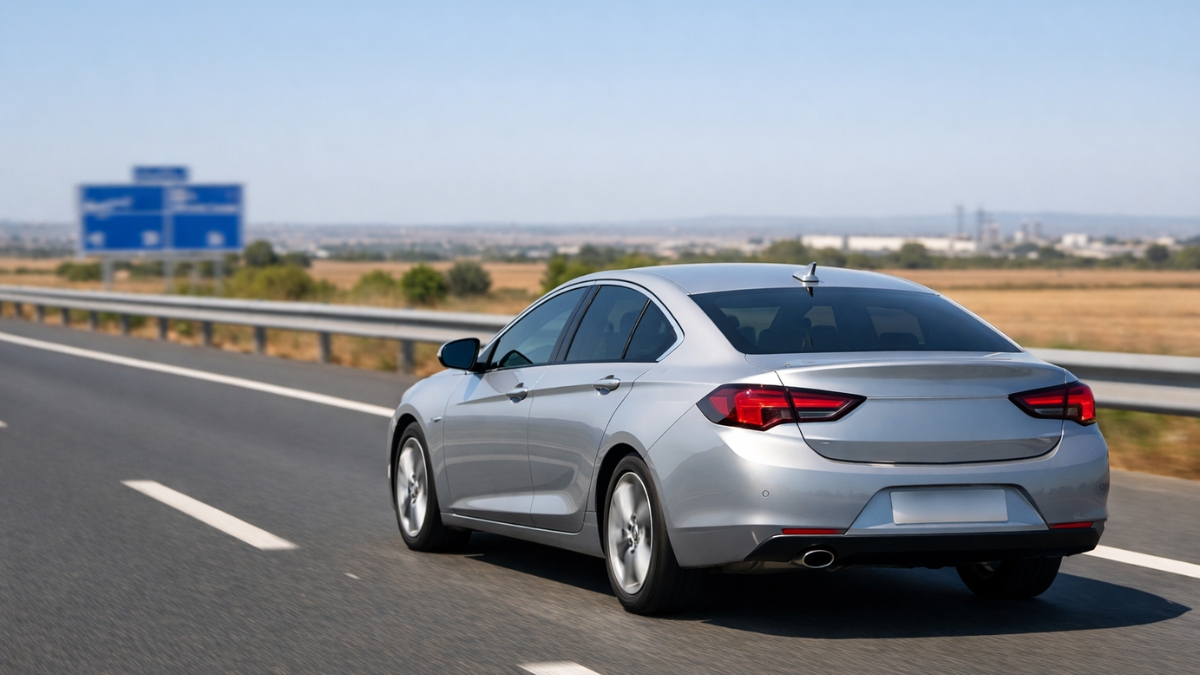
The Casablanca–Settat drive is one of Morocco’s most “business-used” road trips. It’s short enough to do in a morning, predictable enough for meetings and site visits, and it connects companies to industrial zones, warehouses, factories, farms, and regional offices without the friction of city-only logistics.
If you’ve ever wondered why fleets and company drivers run this corridor constantly, it comes down to three practical advantages: direct motorway access, consistent travel time, and easy load-friendly driving. Below is the simple guide decision-makers and drivers actually need: which route works best, when timing changes, how tolls behave, and what to do to avoid slowdowns.
Table of contents
Why companies use the Casablanca–Settat corridor
The main routes (motorway vs local road)
Timing: what to expect on normal vs busy days
Tolls: where they are and how companies manage them
Best departure windows for business trips
Fleet tips: fuel, receipts, and “no-drama” driving
When a driver makes more sense than self-driving
FAQ
1) Why companies use the Casablanca–Settat corridor
Companies drive Casablanca to Settat frequently because it solves real operational needs:
Industrial + logistics access: many supply chains run through the Casablanca region and push south/east toward Settat and surrounding zones for storage, production, or distribution.
Easy day-trip planning: it’s common to leave Casablanca, handle a site visit or meeting, and return the same day without needing an overnight stay.
Lower stress than city-only trips: once you’re on the motorway, the drive becomes steady and predictable, good for schedules, deliveries, and staff travel.
For business travel, predictability is everything. That’s exactly what this route offers when planned correctly.
2) The main routes (motorway vs local road)
Option A: Motorway (best for business timing)
Most companies choose the motorway corridor (often referenced under the Casablanca–Marrakech/Agadir motorway network) because it’s the most consistent. You enter from Casablanca’s major access points (depending on where you start) and follow motorway signs toward Berrechid/Settat.
To visualize the cleanest route from your exact neighborhood or office, use this link and plug in your pickup point: Casablanca to Settat directions on Google Maps.
Why it works for companies
More consistent speed and fewer interruptions
Safer passing and fewer pedestrian zones
Better for vehicles carrying samples, tools, or equipment
Option B: Local roads (only if you have a specific reason)
Local routes can make sense if you’re starting far from motorway access or visiting a location that’s not well-served from the motorway exits. But for most corporate travel, local roads add variability (traffic lights, roundabouts, slow vehicles, and more “unknowns”).
Rule of thumb: if punctuality matters, motorway wins.
3) Timing: what to expect on normal vs busy days
On a calm weekday, the Casablanca–Settat trip is often around about an hour of driving time, give or take your start point, the exit you choose, and whether you hit congestion near Casablanca’s on-ramps.
Where timing usually changes:
Casablanca exits and ring-road approaches (morning and late afternoon)
Interchange merging near Berrechid (especially when traffic stacks)
Arrival zone in Settat (city entry can slow you more than the motorway)
Planning tip for businesses: schedule arrivals with a buffer, then aim to arrive early and park calmly. The biggest delays usually happen in the first 15–25 minutes leaving Casablanca, not in the middle of the motorway.
4) Tolls: where they are and how companies manage them
Yes, there are toll gates on the motorway network. Most companies handle tolls efficiently because small delays add up when the route is repeated daily.
Practical toll workflow (what fleets actually do)
Keep small cash accessible in the cabin for quick payments when needed.
Use a single person responsible for receipts (driver or passenger) so it doesn’t become messy later.
Store toll receipts with fuel receipts if your accounting process requires expense proof.
If you want the official toll pricing grid for the motorway network (useful for budgeting per trip), this document is the reference many teams keep bookmarked: Autoroutes du Maroc toll tariff grid (PDF).
What causes toll delays (and how to avoid them)
Choosing a lane too late
Searching for money at the booth
Sitting too close to the car in front (no room to adjust)
Fix: choose your lane early and have payment ready before you reach the booths.
5) Best departure windows for business trips
The same route can feel completely different depending on when you leave.
Usually smoother
Mid-morning on weekdays (after the sharpest commute wave)
Early afternoon (often steady motorway flow)
Usually busier
Weekday mornings (office commute + school traffic patterns)
Weekday late afternoon (return traffic toward Casablanca)
Friday late afternoon (higher “weekend departure” movement)
If your meeting time is fixed, it’s often smarter to leave earlier and stop for a coffee near your destination rather than gambling on a “perfect” departure.
6) Fleet tips: fuel, receipts, and “no-drama” driving
For companies, the goal is repeatability. These habits keep the route clean and professional:
Fuel strategy: start with enough fuel so you’re not forced into an emergency stop.
Receipt discipline: keep a small envelope in the glovebox for toll + fuel receipts.
Vehicle readiness: tire pressure and washer fluid matter more than people think on motorway drives.
Driving rhythm: stay right, overtake left, and avoid last-second lane changes near interchanges.
Small habits become big savings when a company runs the corridor often.
7) When a driver makes more sense than self-driving
Even though this is a manageable drive, hiring a driver can be the better business decision when:
You need staff to arrive ready to work (not mentally tired from driving)
You’re carrying important items (samples, documents, equipment) and want fewer distractions
You have multiple stops (warehouse + client + admin) and don’t want parking/navigation stress
You’re traveling during peak traffic windows and want someone experienced with merges and interchanges
It’s a VIP or client-facing day where professionalism matters from pickup to arrival
In short: if the trip is part of work, sometimes it’s better to treat it like a service, not a task.
FAQ
1) How long does it take to drive from Casablanca to Settat?
On many weekdays it’s often around an hour, but it depends on your start point in Casablanca, motorway access, and peak traffic near exits.
2) Is the motorway the best option for business travel?
Yes for most companies. It’s usually the most consistent route and easier to plan for meetings and timed site visits.
3) Are there tolls on the Casablanca–Settat route?
Yes, motorway travel typically includes toll gates. Businesses often budget it per trip and keep receipts for expense tracking.
4) What time should I leave to avoid traffic?
Mid-morning and early afternoon are often smoother than early morning and late afternoon commute windows.
5) What’s the best way to manage receipts for company expense reports?
Keep toll and fuel receipts together in a glovebox envelope and submit them as a single packet per day or per trip.
6) When is hiring a driver worth it?
When the team needs to arrive fresh, when schedules are tight, when there are multiple stops, or when the trip is client-facing.
