
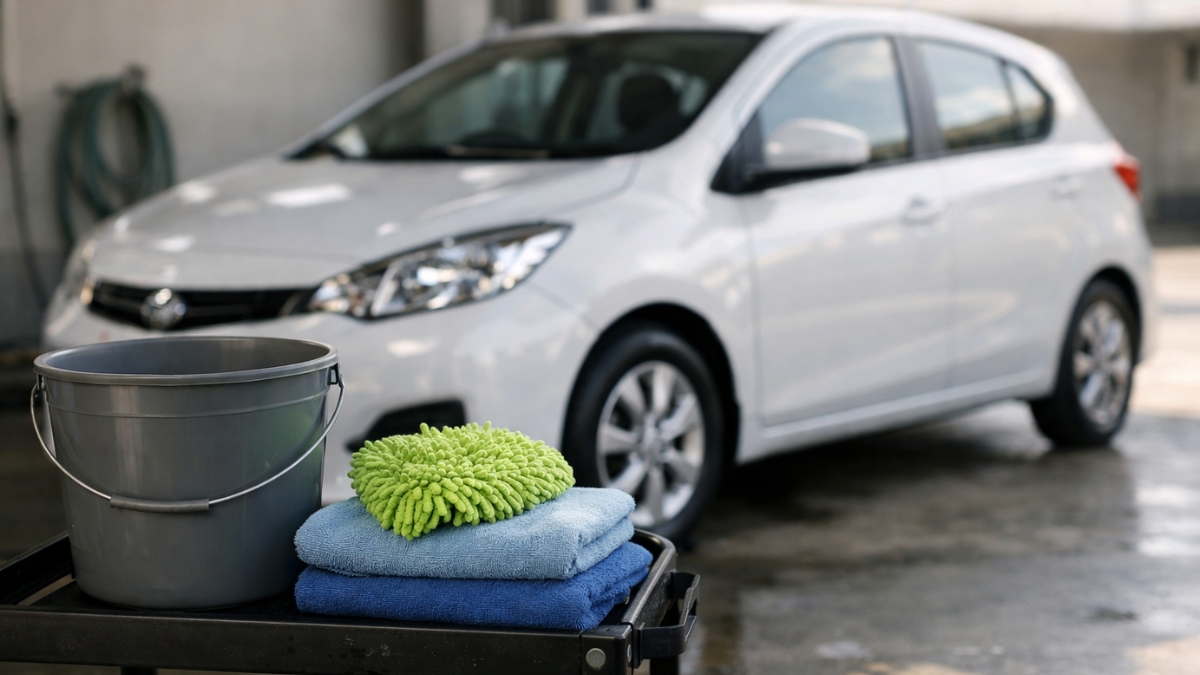
In Casablanca, keeping a rental car clean isn’t just about looking good, it can affect your return inspection. A quick wash at the wrong place (or with the wrong method) can leave fine swirl marks that only show up under strong light, and that’s where disputes start: “It wasn’t there before,” “It’s just dust,” “It’s normal.”
Here’s the practical rulebook: when washing helps, when it can hurt, and how to protect yourself from swirl-mark arguments, especially if you’re returning the car in bright sun or under harsh station lights.
Table of contents
The real reason swirl disputes happen
When you should wash the car in Casablanca
When you shouldn’t wash it
Choosing a wash type: safest to riskiest
The “no-swirl” washing method (simple, realistic)
How to avoid disputes at return
FAQ
1) The real reason swirl disputes happen
Swirl marks are usually micro-scratches caused by dirt being dragged across paint during washing or drying, often from reused sponges, dirty towels, or brush-style washes. They’re hard to see when the car is dusty, but pop under:
direct Casablanca sun
LED lighting at night
dark paint colors (black/blue especially)
That’s why some people wash right before return, then suddenly notice marks they never saw earlier.
A good baseline for scratch-free washing technique is the method-focused guidance in Consumer Reports’ car-wash tips (especially the emphasis on proper tools and gentle contact). Here’s the link: Consumer Reports: How to Wash Your Car.
2) When you should wash the car in Casablanca
Wash the car when dirt is the kind that damages paint or visibility—not just because it looks dusty.
Wash soon (same day if possible) if you have:
Bird droppings (they can stain/etch clear coat if left)
Tree sap (hardens and becomes risky to remove later)
Coastal salt film (if you drove Corniche/Ain Diab a lot or near sea air)
Construction dust (fine grit that scratches when wiped dry)
Mud on wheel arches or underbody (can bake on and become harder to rinse)
Wash before long highway driving if:
Your windshield is dirty or smeared (night glare becomes worse)
You’ve got heavy grime that will smear across glass in rain
Wash 24–48 hours before return (ideal timing):
You still have time to let the car dry properly
You can check the paint calmly in daylight
You avoid the “rushed wash → rushed wipe → swirls” trap
3) When you shouldn’t wash it
In Casablanca, when you wash matters as much as how you wash.
Avoid washing when:
The car is hot and parked in direct sun. Water spots form fast, and you’ll be tempted to wipe aggressively.
It’s windy with dust in the air. Dust lands on wet paint and turns into sandpaper when you dry.
You only have dirty rags/towels. One dusty towel can create a whole panel of fine marks.
You plan to “wipe dust off” without rinsing first. Dry wiping is swirl city.
You’re minutes from return. Rushed drying and quick “final wipe” cause most disputes.
If you must clean something urgently (like bird droppings), do a gentle spot rinse and blot-dry with a clean microfiber—don’t scrub.
4) Choosing a wash type: safest to riskiest
Not all car washes are equal for paint safety.
Safest (low swirl risk):
Touchless wash (no brushes touching the paint)
Careful hand wash with clean microfiber and good lubrication
Medium risk:
Standard hand wash where you can’t verify towel cleanliness
Busy stations reusing the same sponge/towel on many cars
Highest risk:
Brush/roller washes that may trap grit
Roadside wash crews using one bucket + one sponge repeatedly
Any wash that finishes with a fast dry-wipe using unknown cloths
For swirl prevention basics, 3M’s guidance on safer washing (including the idea behind the “two-bucket” approach) is a useful reference: 3M Car Wash and Wax Tips.
5) The “no-swirl” washing method (simple, realistic)
You don’t need perfection, just a process that avoids dragging grit across paint.
Step 1: Pre-rinse (non-negotiable)
Rinse top to bottom
Spend extra time on lower doors, behind wheels, and bumpers
Step 2: Gentle contact wash
Use a clean microfiber mitt or soft sponge
Wash top panels first, lower panels last
If you can: two-bucket habit (one for soapy water, one to rinse the mitt)
Step 3: Rinse thoroughly
Don’t let soap dry on the surface in the sun
Step 4: Dry safely
Blot or glide lightly with a clean microfiber towel
Avoid circular scrubbing (especially on dusty dark paint)
Golden rule: if the towel touches the ground once, it’s done.
6) How to avoid disputes at return
This is the part that saves you time, money, and arguments.
Before washing (2 minutes):
Take quick photos of: front bumper, hood, both sides, rear bumper, roof
Get one angled photo per side in good light
After washing and fully drying:
Repeat the same photos
Check paint under angled light (morning or late afternoon is best)
If you notice new fine marks:
Don’t panic, many are light and may be considered normal wear, but don’t hide them.
Document them clearly (close + wide shot) and tell the agent calmly at return: “Noticed these after washing; here are before/after photos.”
Return-time habits that help:
Arrive with daylight buffer (sunset returns amplify lighting surprises)
Ask for a walkaround together
Keep your wash receipt if you used a professional service (optional, but helpful)
What not to do:
Don’t do a last-minute “shine wipe” in the parking lot with a random cloth. That’s how swirls are born.
FAQ
1) Should I wash a rental car in Casablanca before returning it?
Yes, but ideally 24–48 hours before return, not 10 minutes before. That timing reduces rushed drying and swirl risk.
2) Is a touchless wash safer for avoiding swirl marks?
Usually, yes because nothing is physically rubbing grit across the paint.
3) What causes swirl marks most often?
Dry wiping dust, dirty towels, reused sponges, and brush-style washes.
4) If the car is only dusty, should I wash it?
If it’s light dust, you can wait. If it’s gritty (construction dust, beach film), washing sooner is safer than wiping.
5) How do I protect myself if an agent claims I caused swirls?
Take before-and-after photos around your wash, and do the return walkaround together in good light.
6) What’s the fastest “safe clean” if I’m short on time?
A thorough rinse + gentle wash + careful drying. Skip any polishing or aggressive wiping.
