
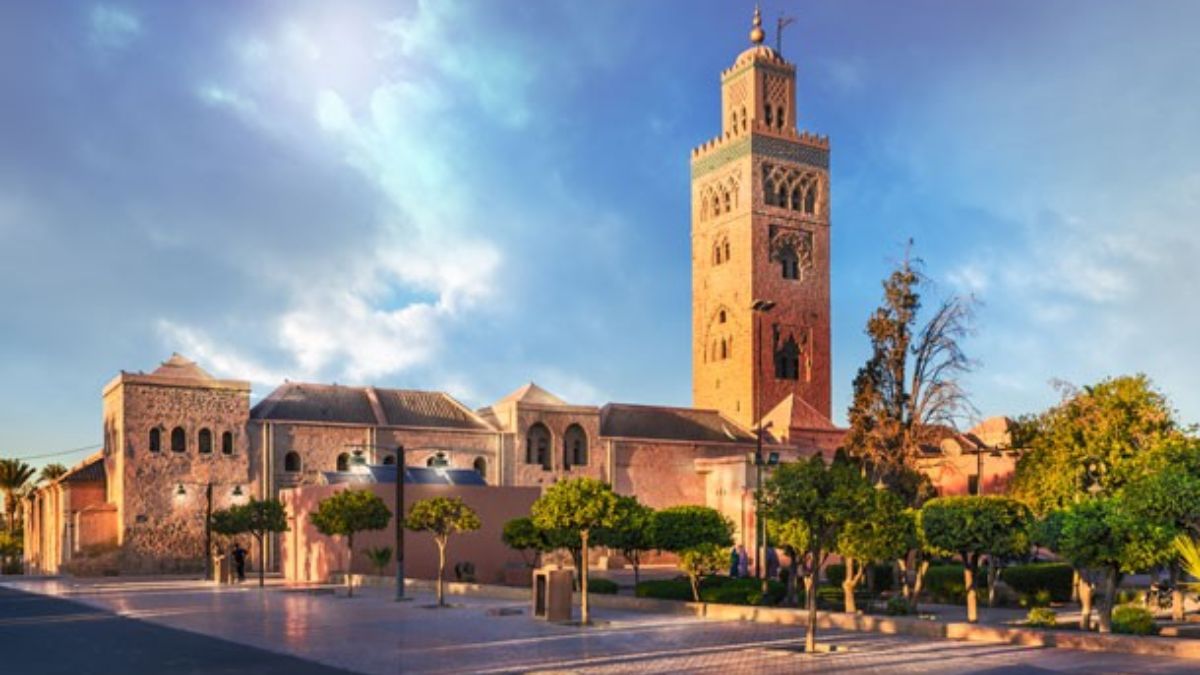
Driving from Casablanca to Marrakech is one of Morocco’s easiest long intercity trips because the main route is a fast autoroute (A7). It’s a popular choice when you want to avoid train schedules, carry luggage comfortably, or stop on the way. But to make it smooth, you need four things dialed in: realistic timing, a toll + fuel budget, smart rest-stop planning, and the right car type for your group and driving style.
Below is a practical, self-drive guide that keeps the trip efficient and stress-free, especially if this is your first time driving between big Moroccan cities.
Table of Contents
Quick Answer
Route Overview: Which Road You’ll Actually Take
Timing: How Long It Really Takes
Toll Budget: What to Expect and How to Pay
Fuel Budget: A Simple Way to Estimate Cost
Rest Stops: Where to Pause Without Wasting Time
Driving Tips That Matter on This Route
What Car Makes Sense: Economy vs Sedan vs SUV vs Van
Flexible Arrival and Parking in Marrakech
Practical Checklists
FAQ
Conclusion
Quick Answer
The Casablanca → Marrakech drive via the autoroute is usually about 2.5 to 3.5 hours, depending on where you start in Casablanca and traffic getting out of the city.
Budget tolls + fuel (tolls are predictable; fuel depends on your car and driving style).
Plan one quick stop (restroom + coffee) around the middle of the route so you stay sharp.
For most travelers: an economy car is enough for 1–2 people with light luggage; a compact sedan is best for comfort; an SUV is only worth it if you need ground clearance for later trips or extra space; and a van/7-seater is best for families with luggage.
Route Overview: Which Road You’ll Actually Take
Most drivers take the A7 autoroute direction Marrakech. You’ll typically:
Exit Casablanca and join the autoroute network heading south
Continue past Settat and Ben Guerir areas
Enter Marrakech via one of the main autoroute exits (different exits serve different zones)
Your “real” travel experience depends less on the highway itself and more on two moments: leaving Casablanca and entering Marrakech, where local traffic and roundabouts can add time.
Timing: How Long It Really Takes
A good way to think about timing is to split the trip into 3 blocks:
1) Getting out of Casablanca (15–45 minutes)
This varies the most. If you start from central areas during peak hours, you can lose time before you even hit cruising speed.
Time saver: leave either early morning or outside the classic commuting window.
2) Highway cruising (about 2 hours)
Once you’re on the autoroute, the drive is straightforward and consistent.
3) Entering Marrakech (15–45 minutes)
Traffic near Marrakech can build quickly, especially when many cars arrive at the same time (weekends, late afternoon, holidays).
Best arrival strategy: add a buffer if you have a fixed check-in time, dinner booking, or airport appointment.
Toll Budget: What to Expect and How to Pay
Tolls are the easiest part to budget because the prices are fixed by route segment and vehicle class.
For a standard passenger car (Class 1), the Casablanca-side entry many travelers use is around the NOUACEUR interchange area, and the toll to Marrakech depends on which Marrakech exit you take:
NOUACEUR → Marrakech Palmeraie: 80 MAD (Class 1)
- NOUACEUR → Marrakech Tamensourte: 82 MAD (Class 1)
- NOUACEUR → Marrakech Targa: 87 MAD (Class 1)
If you want to double-check the latest official toll tables before you drive, use Autoroutes du Maroc’s official toll grid here (this is the reference many locals use): https://www.adm.co.ma/fr/grille-tarifaire-sur-le-reseau.
How to pay: toll booths accept standard payment methods used on Moroccan autoroutes; the simplest travel habit is to keep small cash available so you don’t get stuck searching for change at the booth.
Fuel Budget: A Simple Way to Estimate Cost
Fuel cost varies, but you can estimate it in a way that stays accurate enough for planning:
Decide your car’s likely consumption (rough rule of thumb):
Economy diesel: lower consumption on highway
Small petrol: moderate consumption
SUV petrol: higher consumption, especially at speed
Estimate highway distance and multiply by your consumption rate.
Practical budgeting tip: if you’re unsure, budget fuel a bit conservatively (slightly higher) and treat any leftover as a bonus.
Rest Stops: Where to Pause Without Wasting Time
You do not need multiple stops for this route. One well-timed stop is usually perfect.
The “one-stop” plan
Stop once around the mid-route zone (often around Settat/Ben Guerir area depending on your pacing).
Aim for a 10–15 minute stop: restroom, stretch, coffee, refill water.
What makes a stop “good”
Easy on/off access from the autoroute
Parking that feels organized and visible
Clean restrooms
Basic snacks and drinks available
Driver focus rule: if you feel your attention drifting, stop earlier. A short break is faster than recovering from fatigue.
Driving Tips That Matter on This Route
Speed discipline (and why it matters)
On Moroccan autoroutes, the maximum speed is commonly stated as 120 km/h.
Even if the road looks empty, keep your speed consistent and avoid sudden lane changes, this is where people get stressed and make mistakes.
If you want an official safety reminder about speeding on highways, NARSA’s road safety page is a solid reference: https://www.narsa-securiteroutiere.ma/fr/la-vitesse-excessive/.
Lane behavior
Keep right unless overtaking
Overtake cleanly, then return right
Watch for drivers who change lanes late near exits
City transitions
The most “chaotic” moments are usually near Casablanca exits and Marrakech entrances. Stay calm, accept that it slows down, and keep extra following distance.
What Car Makes Sense: Economy vs Sedan vs SUV vs Van
Choosing the right car is about comfort, luggage, and what you’ll do after Marrakech.
Economy car (best for budget and easy parking)
Choose this if:
You’re 1–2 people
You have light to medium luggage
You mostly want a simple A-to-B drive and city parking ease
Trade-off: less comfort at highway speed, less trunk space.
Compact sedan or midsize sedan (best all-around)
Choose this if:
You want comfort for 2–4 people
You have normal luggage
You want smoother highway stability and a quieter cabin
This is the “safe choice” for most travelers doing Casablanca → Marrakech.
SUV (only worth it for specific needs)
Choose this if:
You need extra space or higher seating
You plan to continue to rougher roads later (not just highways)
Trade-off: higher fuel use and sometimes harder parking in busy Marrakech zones.
7-seater / van (best for families and group luggage)
Choose this if:
You are 5–7 passengers
You have multiple suitcases
You want everyone comfortable without stacking bags on seats
Flexible Arrival and Parking in Marrakech
Marrakech parking can be the real challenge if your accommodation is inside or near the medina. Plan for:
Parking outside dense medina lanes
A short walk if your riad is not car-accessible
Extra time during peak hours
Arrival tip: if you’re tired after the drive, park once and finish the day on foot. Trying to “drive closer” inside dense areas often costs more time than it saves.
Practical Checklists
Before leaving Casablanca
Car documents + your ID ready
Cash for tolls and small purchases
Water + quick snacks
Phone charger (navigation)
Set your Marrakech exit based on your final neighborhood
During the drive
One planned stop (10–15 minutes)
Keep steady speed and spacing
Avoid last-second exit decisions
Entering Marrakech
Add a buffer for traffic
Plan parking before you arrive
Keep valuables out of sight when parked
FAQ
Q: Is it better to drive Casablanca to Marrakech or take the train?
A: Train is great if you want zero driving stress. Driving is better if you want flexibility, have luggage, plan stops, or want a car in Marrakech and beyond.
Q: How much should I budget for tolls on the autoroute?
A: For a standard passenger car, a typical toll range to Marrakech depends on your exit, and it can be around 80–87 MAD from the Nouaceur-side entry area.
Q: How many rest stops do I need?
A: Usually one short stop is enough. If you’re traveling with kids or you feel tired, add a second quick stop, comfort and focus matter more than saving 10 minutes.
Q: Is an SUV necessary for this route?
A: No. The autoroute is paved and easy. Choose an SUV only if you need space, higher seating, or you plan to continue to rougher roads later.
Q: What’s the best time to leave Casablanca to avoid traffic?
A: Early morning tends to be smoother for exiting Casablanca and arriving in Marrakech before heavy afternoon movement. If you must leave later, build a bigger buffer.
Q: What speed limit should I expect on the autoroute?
A: The maximum on Moroccan autoroutes is commonly referenced as 120 km/h, and you should adjust based on conditions.
Conclusion
The Casablanca to Marrakech drive is simple when you plan it like a pro: leave with a time buffer, keep your toll cash ready, do one clean rest stop, and pick a car that matches your real needs (passengers + luggage + what you’ll do after Marrakech). For most travelers, a compact sedan is the best balance, comfortable on the highway and manageable in Marrakech once you arrive.
