
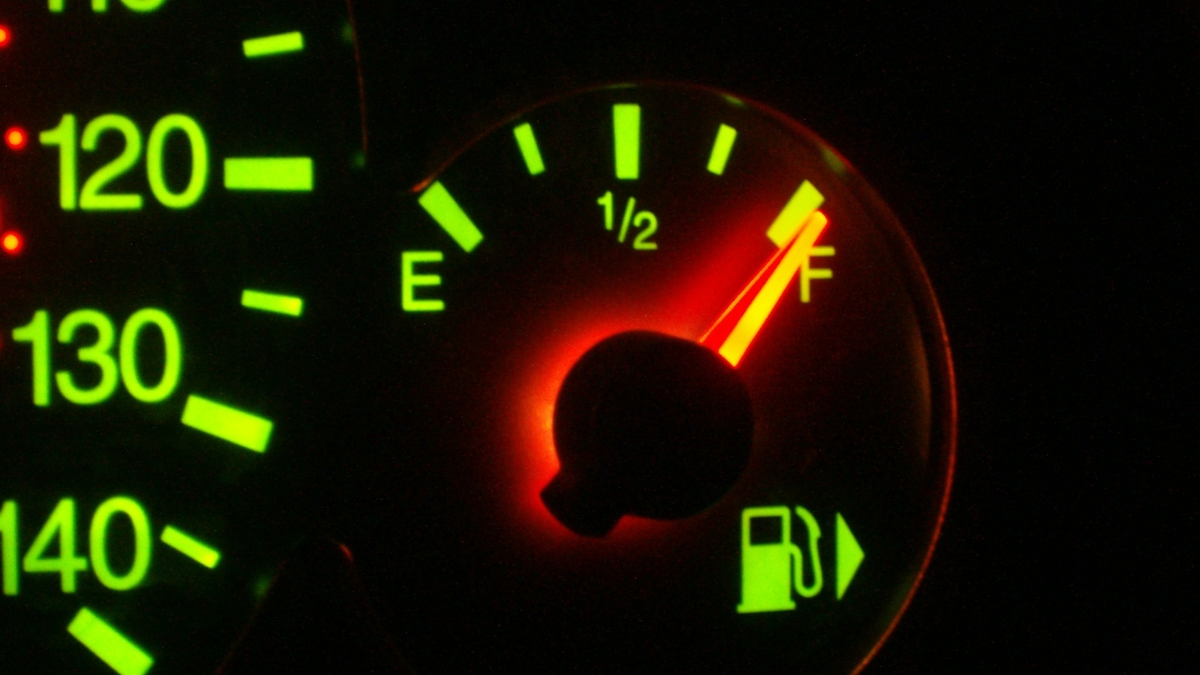
When renting a car in Casablanca, the fuel policy can significantly affect your final cost and overall experience. Among all options, the full-to-full fuel policy is the most transparent and widely preferred by travelers, but only if you understand how it works in practice around Mohammed V International Airport (CMN).
This guide explains exactly how the full-to-full fuel policy in Casablanca works, where to refuel near CMN, how to handle receipts correctly, and how to avoid common disputes at vehicle return.
Table of Contents
What Is a Full-to-Full Fuel Policy?
Why Full-to-Full Is Preferred in Casablanca
How Fuel Levels Are Checked
Fuel Stations Near CMN Airport
Receipt Rules: What You Must Keep
Common Fuel Disputes and How to Avoid Them
Airport Returns vs City Returns
Timing Your Refuel Before Drop-Off
FAQs About Fuel Policy in Casablanca
Final Advice Before Returning the Car
What Is a Full-to-Full Fuel Policy?
A full-to-full fuel policy means:
You receive the rental car with a full tank
You return it with a full tank
You only pay for the fuel you personally use
Unlike prepaid or same-to-same policies, this model avoids inflated fuel charges and hidden service fees.
In Casablanca, most professional rental agencies recommend full-to-full because it reduces disputes and keeps pricing clear for both sides.
Why Full-to-Full Is Preferred in Casablanca
Casablanca is a large, busy city with:
Heavy traffic near CMN
Multiple fuel stations within short driving distance
Clear fuel quality standards
With easy access to refueling near the airport, travelers can control costs and return the vehicle without rushing or guessing fuel levels.
Fuel transparency and consumer protection principles like these align with international best practices promoted by global insurance and rental governance bodies such as the International Association of Insurance Supervisors, which emphasizes clarity in contractual terms and cost responsibility:
https://www.iaisweb.org/
How Fuel Levels Are Checked
At pickup:
The agent notes the fuel level (usually “Full”)
This is documented in the rental contract
Some agencies take photos or digital records
At return:
The tank is visually checked
Some vehicles rely on dashboard fuel indicators
Disputes usually arise only when the needle is slightly below “Full”
Even small differences can trigger charges if no receipt is provided.
Fuel Stations Near CMN Airport
One advantage of Casablanca Airport is the availability of fuel stations close to CMN, making full-to-full returns easy.
Typical characteristics of airport-area stations:
Located within 5–10 minutes of CMN
Open early morning and late night
Accept cash and cards
It’s recommended to refuel as close to the airport as possible to account for traffic delays and ensure the fuel gauge remains full upon arrival.
Receipt Rules: What You Must Keep
Receipts are your primary protection under a full-to-full policy.
Always:
Refuel within a short distance of CMN
Keep the printed receipt
Ensure the receipt shows date, time, and location
Receipts are especially important if:
Traffic delays cause slight fuel consumption
The return inspection is delayed
The fuel gauge needle drops marginally
Keeping documentation supports transparency and dispute resolution, a practice consistent with consumer protection and service accountability frameworks highlighted by the World Health Organization’s road safety and mobility guidance, which encourages responsible vehicle use and documentation:
https://www.who.int/
Common Fuel Disputes and How to Avoid Them
Dispute: “Tank Not Fully Returned”
Avoidance:
Refuel within the last few kilometers and keep the receipt.
Dispute: “Fuel Level Discrepancy”
Avoidance:
Take a photo of the dashboard immediately after refueling.
Dispute: “Service Fee Added”
Avoidance:
Confirm in advance that no refueling service fee applies if you return full.
Dispute: “Incorrect Pickup Fuel Level”
Avoidance:
Check the gauge at pickup and request correction if not full.
Airport Returns vs City Returns
Airport Returns (CMN)
Most common location for fuel disputes
Strict timing and inspection
Receipts strongly recommended
City Returns
Often more flexible
Some agencies refuel on your behalf
Still best to follow full-to-full rules
Airport returns require more precision due to high vehicle turnover.
Timing Your Refuel Before Drop-Off
Ideal timing:
Refuel 10–15 minutes before arrival
Avoid idling or detours after refueling
Return immediately to the airport
Avoid refueling too early, Casablanca traffic can quickly consume enough fuel to affect the gauge.
FAQs About Fuel Policy in Casablanca
Is full-to-full always cheaper?
In most cases, yes — especially for short rentals.
What if I return slightly under full?
You may be charged for fuel plus a service fee.
Do agencies accept digital receipts?
Some do, but printed receipts are safer.
Can I prepay fuel instead?
Yes, but prepaid fuel is usually more expensive.
Does fuel quality differ near the airport?
No, fuel standards are consistent across major stations.
Final Advice Before Returning the Car
The full-to-full fuel policy in Casablanca is fair, transparent, and cost-effective, when followed correctly. The key is simple:
Refuel close to CMN
Keep your receipt
Return promptly
Check fuel level before handover
Doing this eliminates disputes, avoids extra charges, and ensures a smooth end to your rental experience.
