
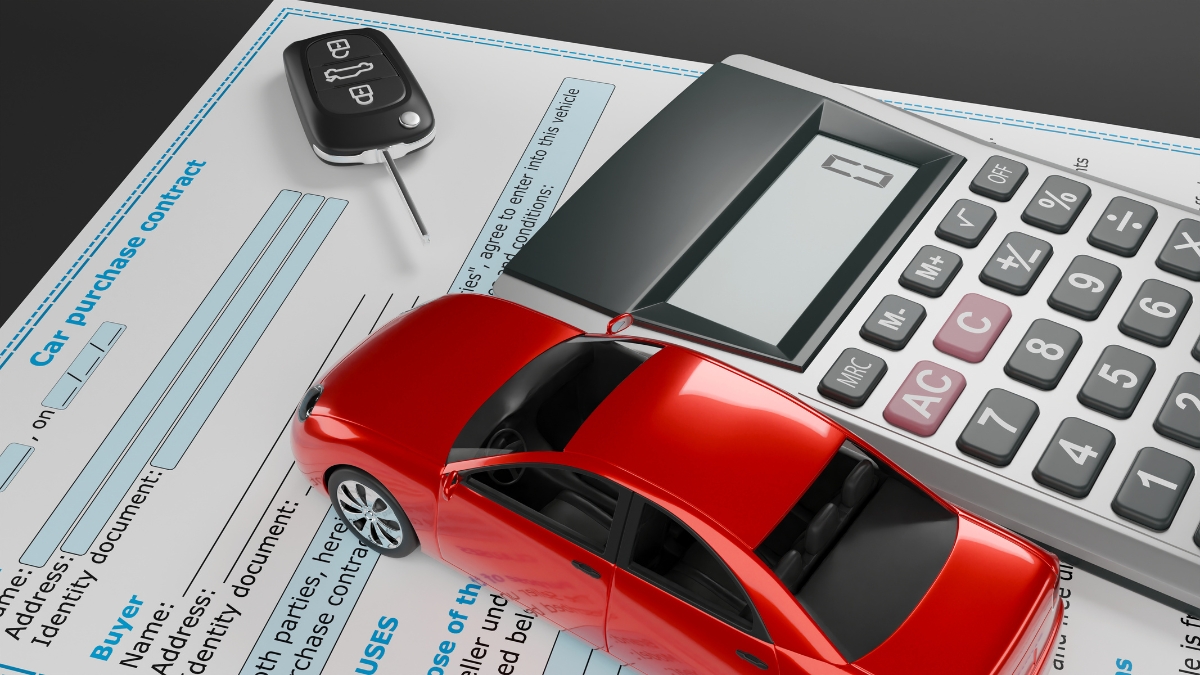
You land in Casablanca, badge around your neck, laptop in your backpack, and one question at the rental desk decides how your trip feels:
“Do you want a no-deposit option, or are you okay with a 6,000 MAD / €600 deposit on your card?”
In 2025, corporate travelers in Casablanca see both models: no-deposit or low-deposit deals on some categories, and high deposit / pre-authorization on others, especially for long trips, highways, or higher-risk driver profiles. The right choice depends on your company card, your expense policy, and how much flexibility you need if something goes wrong on the road.
Table of Contents (Checklist)
1) Quick answer: what “no-deposit” really means in Casablanca
2) Why some rentals still require a 6,000 MAD / €600 deposit
3) How card holds actually work (and why finance teams care)
4) Corporate travel policy angle: which option to prefer in 2025
5) What MarHire typically looks at before offering no-deposit
6) Practical tips for corporate travelers at CMN and in the city
FAQ
1) Quick answer: what “no-deposit” really means in Casablanca
“No-deposit” never means “no control.”
In practice, a no-deposit or low-deposit rental in Casablanca usually means:
no large 6,000 MAD / €600 pre-authorization on your card,
but still standard ID, licence, and card checks,
and clear rules about damage responsibility and excess.
It’s attractive for corporate travelers because:
your company card limit isn’t blocked by a huge hold,
your personal card isn’t used as a backup guarantee,
it avoids awkward questions from finance when a big block appears on the statement before your trip even starts.
However, “no-deposit” doesn’t magically erase risk: damage, fines, or extra days can still be invoiced later according to the contract.
2) Why some rentals still require a 6,000 MAD / €600 deposit
A 6,000 MAD / €600 deposit is common when the profile is objectively higher-risk for the rental company, for example:
premium or SUV categories in Casablanca,
long intercity routes with heavy highway use (Casablanca – Marrakech – Agadir – Tangier),
drivers with shorter licence history,
busy dates where replacement cars are hard to find.
From the company’s side, that deposit is a security buffer for:
accident excess or major scratches,
unpaid fuel, tolls, or tickets,
late returns or extra rental days.
For corporate travelers, the key is knowing in advance:
the exact deposit amount,
whether it is fully refundable (if conditions are respected),
and when the hold will be released after return.
3) How card holds actually work (and why finance teams care)
When a rental company takes a deposit, they usually apply a pre-authorization hold on your credit card. This is not a charge, but it temporarily reduces your available limit.
Payment providers explain that a preauthorization is a temporary hold on a specific amount of the available balance, used to confirm the card is valid and has enough funds, before the final transaction is completed. You see it as a pending amount, and it disappears once the merchant either captures the payment or releases the hold. See for example Stripe’s guide on preauthorization charges on credit cards
For corporate travelers, this matters because:
if your corporate card limit is modest, a 6,000 MAD / €600 hold can block room for hotels, meals or flights;
if you’re forced to use a personal card, you might not get reimbursed for FX fees or temporary interest;
if the hold takes several days to release, it can still affect cash flow after you’ve flown home.
That’s why some corporate clients push strongly for no-deposit or reduced-deposit setups with clear written rules.
4) Corporate travel policy angle: which option to prefer in 2025
Modern travel policies care about cost control, risk, and traveler experience, not just the cheapest daily rate. Industry groups like the Global Business Travel Association (GBTA) keep stressing that companies and travelers share responsibility for ground-transport safety and smart vendor choices, especially for “last mile” transport. A joint GBTA–FREENOW report on duty of care in business travel highlights how structured ground-transport policies help reduce risk on business trips. Read an example of this duty-of-care approach here
For Casablanca in 2025, a good internal policy might say:
Economy/compact cars on short city trips: no-deposit or low-deposit preferred, with standard excess.
SUVs and premium cars on long intercity routes: proof of business need plus acceptance of a higher deposit, or mandatory enhanced insurance.
Always book through approved suppliers where deposit rules and hold amounts are documented in advance.
The goal is to avoid surprises at the counter: if your internal policy already expects a 6,000 MAD / €600 hold for specific use cases, the traveler isn’t the one negotiating in the lobby at midnight.
5) What MarHire typically looks at before offering no-deposit
While every booking is individual, a company like MarHire in Casablanca will usually look at:
Car category
No-deposit or low-deposit is more realistic on economy and standard cars.
Higher deposit is normal for SUVs, automatics, premium and 7-seaters.
Trip profile
Mainly city meetings and short airport runs? Risk is lower.
Heavy highway use (Casablanca – Marrakech – Agadir – Casablanca – Tangier) and night driving? Risk and potential damage cost increase.
Driver & company profile
Corporate account with regular bookings = more flexibility.
First-time booking with higher-risk profile = more likely deposit.
Coverage level
If you accept stronger insurance that reduces the excess, it may be easier to negotiate a lower deposit.
If you want the absolute minimum insurance, expect a higher guarantee.
For corporate accounts, the ideal setup is often a negotiated framework: certain categories and routes at reduced or no-deposit, others with standard 6,000 MAD / €600 hold clearly described in your contract.
6) Practical tips for corporate travelers at CMN and in the city
Whether you pick no-deposit or full deposit, these tips will save time and back-and-forth emails:
Confirm deposit rules before travel
Ask your travel manager or the rental partner to send deposit amount + card rules in writing with your booking.
Use a true corporate card when possible
Many travel policies prefer company cards for deposits and car rentals, not personal cards.
Check that the cardholder name matches the main driver to avoid issues at pickup.
Keep your docs ready
Passport/ID, valid driving licence (and IDP if needed), company booking confirmation and any internal approval email.
Allow extra time at Casablanca Mohammed V (CMN)
Between passport control, baggage and queues at peak times, the desk process can take longer than you expect.
Don’t schedule a tight meeting right after landing if you still have to handle a 6,000 MAD deposit discussion.
Take photos at pickup and return
Quick walk-around with photos of all sides, wheels and interior.
It protects you, especially when a large deposit or excess is on the table.
Know who to call if there’s damage
Keep the rental’s emergency number handy.
For corporate trips, also know who in your company handles incidents and insurance details.
FAQ
Is a no-deposit option always better for corporate travelers?
Not always. It’s great for cash flow and card limits, but sometimes comes with higher daily rates or stricter conditions. Compare total cost + risk, not just “deposit or no deposit.”
Why is the deposit often 6,000 MAD / €600 in Casablanca?
It’s a round figure that typically covers the maximum excess on many categories plus a margin for fuel, late return or minor fines. Exact amounts vary by supplier and car class.
How long does a 6,000 MAD / €600 hold stay on my card?
It depends on your bank. Many holds are released a few days after the rental closes, but some can take longer. The issuer controls this, not the desk agent.
Can I split the deposit between two cards?
Most rental companies want the full hold on one card in the main driver’s name. If you need another setup, negotiate it in advance, not at the counter.
What if my company card limit is too low for the deposit?
Check whether your travel policy allows a no-deposit or reduced-deposit arrangement with an approved supplier, or ask your finance team if they can temporarily raise the limit for this trip.
Is it safe to use a personal card for the deposit and then expense the trip?
It’s common, but not ideal. You carry the temporary risk and FX costs. Better to use a corporate card or a negotiated no-deposit option where your company and the rental partner have aligned in advance.
