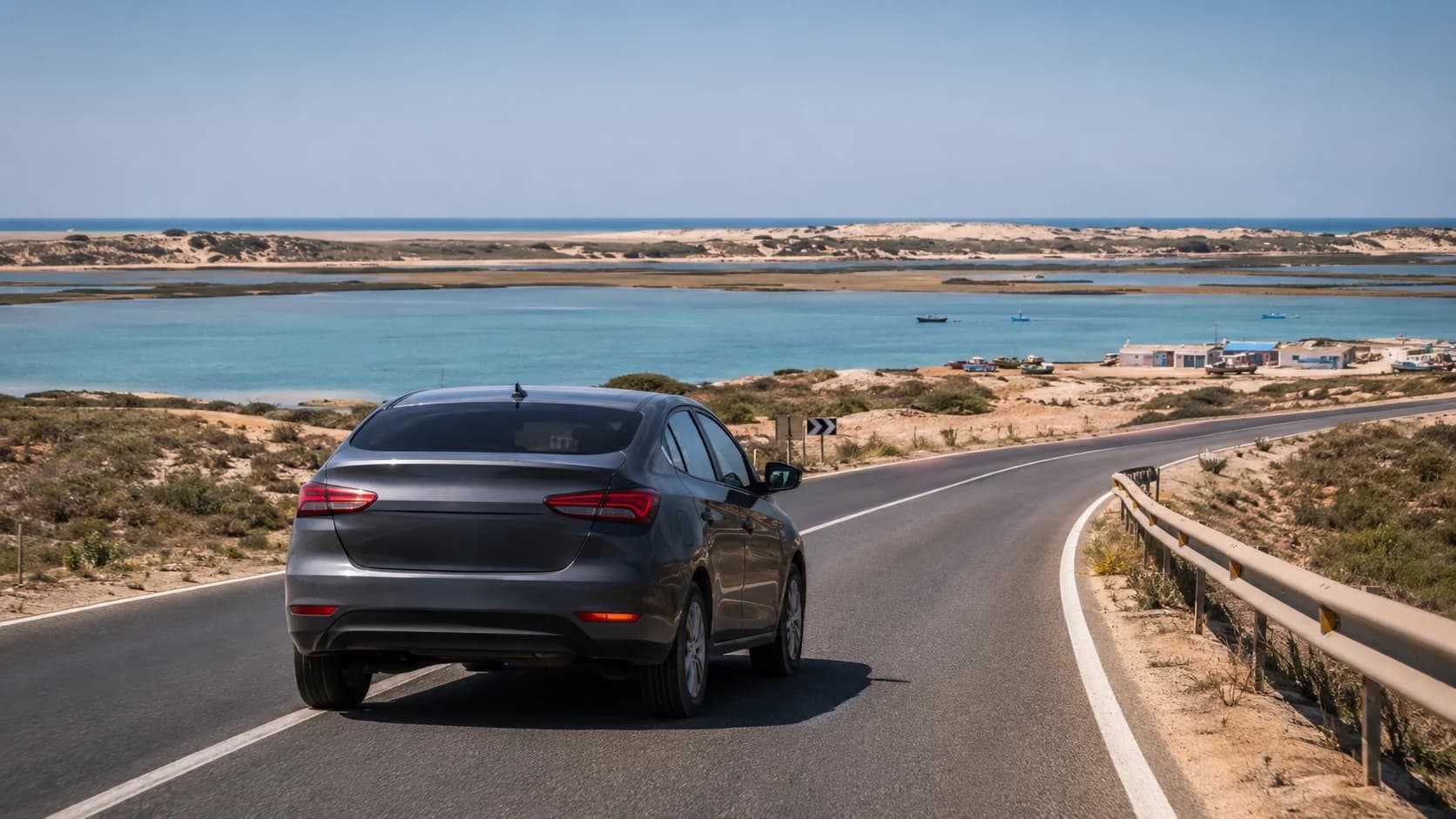






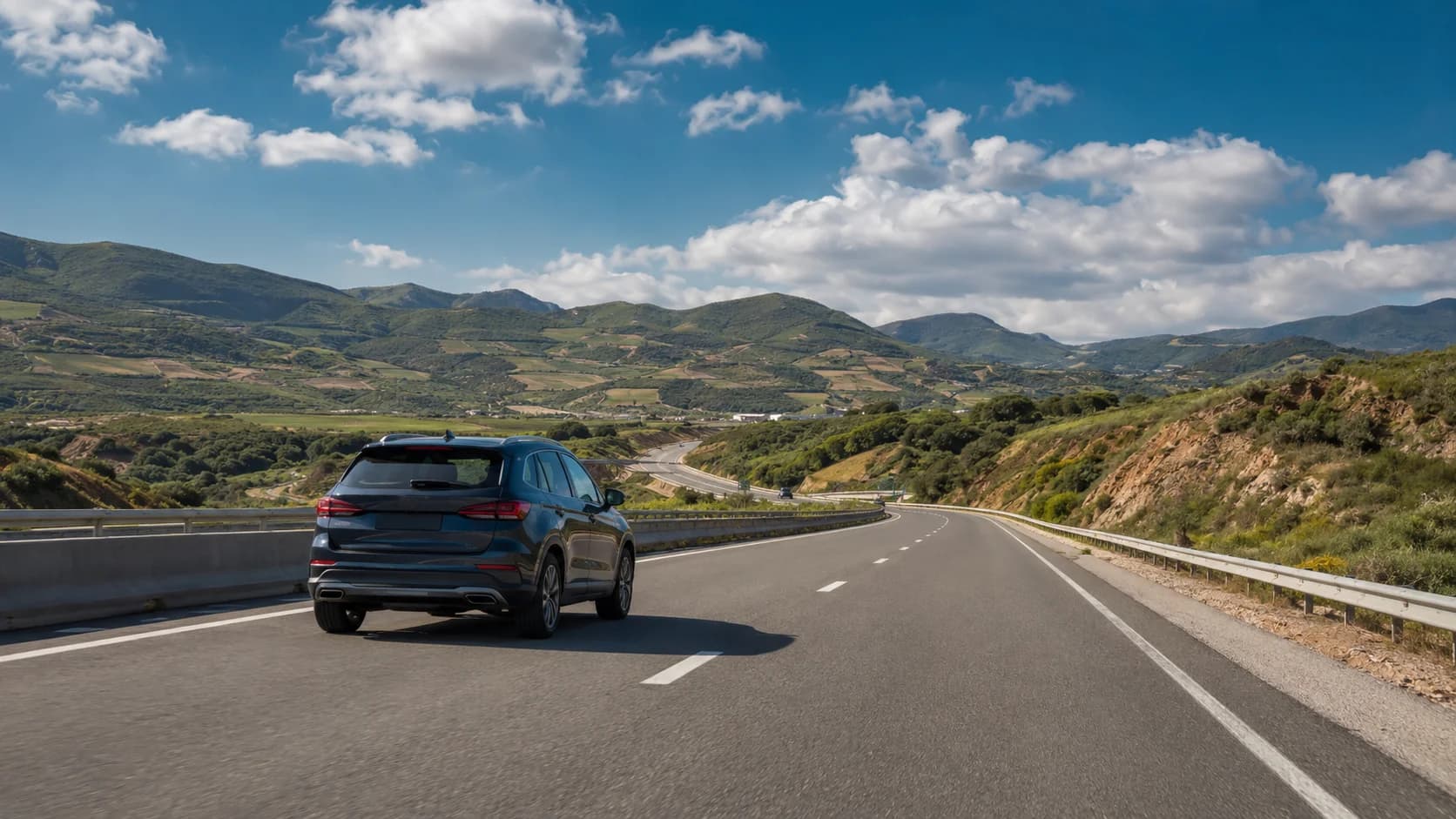
Driving from Casablanca to Tetouan is a practical way to reach northern Morocco while keeping the freedom to stop along the Atlantic corridor and continue later toward Tangier, Chefchaouen or the Mediterranean coast.
The Casablanca to Tetouan by car journey is approximately 360 km, with about 4 hours 15 minutes of driving in good conditions. For a comfortable trip, however, plan around 4.5 to 5 hours once you include tolls, a fuel or coffee stop and possible traffic when leaving Casablanca or approaching Tetouan. Current route estimates put the road distance at about 359 km.
Most of the journey is motorway-based. From Casablanca, you travel north through the Rabat and Kenitra corridor before continuing toward Tangier. Near Tangier, you leave the motorway at the Tanger Est area and follow the N2 toward Tetouan. Morocco's motorway operator ADM confirms that the northern motorway includes connections at Kenitra, Larache, Asilah and Tanger Est, where the RN2 provides access toward Tetouan.
For travelers planning more than one northern destination, renting a car makes this route especially useful because Tetouan can become the starting point for a wider northern Morocco road trip.
Casablanca to Tetouan Distance and Driving Time
The Casablanca to Tetouan distance is approximately 359 to 360 km by road. Current route estimates put the direct drive at roughly 4 hours 14 minutes under favorable conditions.
That number is useful for comparison, but it should not be treated as the exact amount of time your journey will take.
A more realistic travel plan is:
| Journey Element | Planning Time |
|---|---|
| Casablanca to Rabat area | About 1 hour |
| Rabat and Kenitra corridor | 45–60 minutes |
| Kenitra toward Tangier region | Around 1.5–2 hours |
| Tanger Est to Tetouan | Around 1 hour |
| Breaks and tolls | 20–40 minutes |
| Comfortable total | Around 4.5–5 hours |
Your actual journey may take longer if you leave Casablanca during a busy period, encounter roadworks or travel during summer weekends when northern Morocco receives heavier traffic.
What time should you leave Casablanca?
For most travelers, a morning departure is best.
Leaving between approximately 8:00 and 9:00 a.m. gives you enough time to complete the motorway sections, take a proper break and arrive in Tetouan during daylight.
If Tetouan is more than an overnight stop and you want time to explore the medina after arrival, consider leaving earlier.
A daytime arrival is also helpful if it is your first time driving in Morocco because the final approach into Tetouan requires more attention than the motorway.
Best Route From Casablanca to Tetouan
The most practical Casablanca Tetouan road trip follows Morocco's motorway network north before connecting with the N2.
The basic route is:
Casablanca → Rabat → Kenitra → Larache → Tangier area → Tanger Est → N2 → Tetouan
ADM's official motorway information shows the northern motorway corridor running from the Rabat and Kenitra area through Larache and toward Tangier. It also identifies the Tanger Est interchange with RN2, which is the important connection for drivers continuing toward Tetouan.
Stage 1: Casablanca to Rabat
After leaving Casablanca, the first part of the trip is predominantly motorway driving.
The road itself is straightforward, but your journey time can depend heavily on where you start in Casablanca.
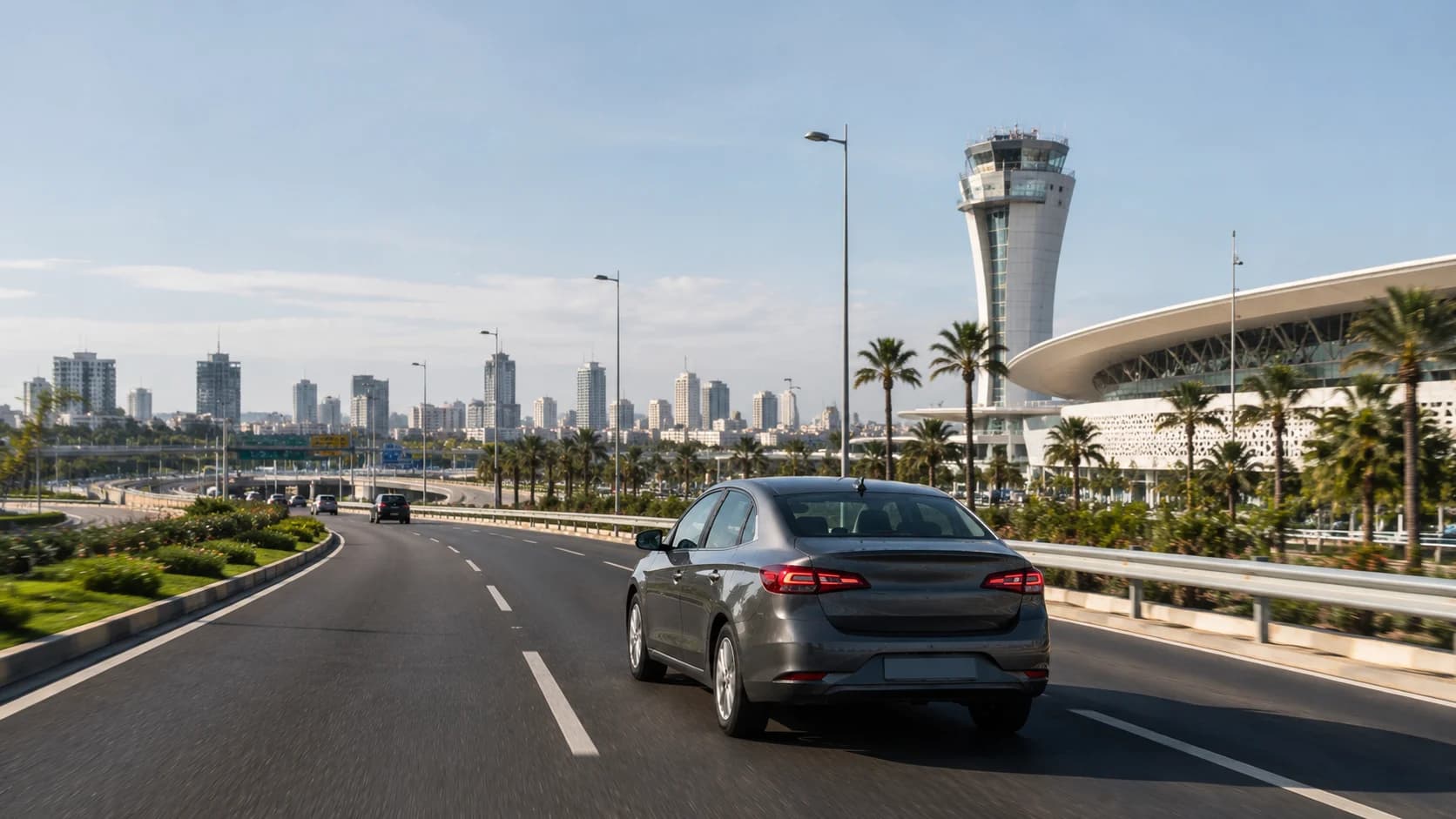
Someone collecting a rental car near Mohammed V International Airport, for example, has a different starting point from a traveler leaving a hotel in central Casablanca.
Allow additional time simply to reach the main northbound motorway.
Once you are established on the motorway, the journey becomes significantly easier.
Stage 2: Rabat to Kenitra
Continue north through the Rabat region toward Kenitra.
This is still a motorway-heavy part of the route and does not require any special type of vehicle.
If you started early and want your first coffee or breakfast break, the Rabat or Kenitra area can work. Otherwise, it makes sense to continue farther north before stopping.
Stage 3: Kenitra to Larache and the Tangier Region
The section north of Kenitra forms one of the longest continuous parts of the journey.
ADM lists several useful interchanges along this corridor, including Moulay Bousselham, Larache and Asilah before the route continues toward Tangier.
This gives you several opportunities to decide whether you want a simple motorway stop or a longer break away from the motorway.
Stage 4: Tanger Est to Tetouan
This is the most important route change.
You do not remain on a high-speed motorway all the way into Tetouan.
Near the Tangier area, follow signs toward Tanger Est / RN2 / Tetouan and continue on the N2.
The road environment becomes more local, and your average speed will normally fall.
This is why it is better to think of Casablanca to Tetouan as a journey with two distinct parts:
Casablanca to Tangier region: long-distance motorway driving.
Tangier region to Tetouan: national road and local traffic.
Recommended Rest Stops Between Casablanca and Tetouan
A four-hour-plus drive is more comfortable when you plan at least one proper stop.
You do not need to turn the journey into a full sightseeing itinerary. Even 15 to 30 minutes away from the steering wheel can make the final part of the trip easier.
Kenitra
Kenitra works best as an early stop.
It can be useful if you collected your rental car very early, started from Casablanca Airport or want breakfast before completing the longer northern section.
If you are already comfortable and have enough fuel, however, it may be better to continue farther.
Moulay Bousselham
The motorway includes an interchange serving Moulay Bousselham.
The area can be an interesting option if you want the journey itself to form part of your road trip rather than simply driving directly from one city to another.
A detour takes longer than a motorway service-area stop, so it is most suitable when you are not working with a strict arrival time.
Larache
Larache is one of the most practical places to divide the journey.
By the time you reach the Larache area, you have completed a substantial part of the drive but still have enough distance remaining to benefit from a rest.
You could stop for coffee or lunch and then continue toward the Tangier region and Tetouan.
Motorway service areas
If reaching Tetouan efficiently is your priority, use a motorway service area instead of entering a city.
A short stop can cover everything you need:
fuel, coffee, water, restrooms and a chance to stretch before continuing.
For most travelers, one well-timed motorway stop is enough.
Tolls and Fuel Planning
There are toll roads between Casablanca and Tetouan because much of the route uses Morocco's motorway network.
ADM operates the relevant motorway corridor, including the sections through Rabat, Kenitra, Larache and toward Tangier.
Toll tariffs can change, so it is better to verify the current amount shortly before traveling rather than relying on an old fixed total.
Keep a convenient payment method available at toll points and follow the lane signs carefully when approaching a toll plaza.
Do you need to refuel during the drive?
Usually not if you leave Casablanca with a healthy fuel level.
For most modern rental cars, a roughly 360 km journey is well within the normal range of one tank.
Still, avoid beginning a long intercity trip with very little fuel.
A simple strategy is:
Leave Casablanca with at least half a tank → check the fuel level around your rest stop → refuel if you are continuing beyond Tetouan.
Fuel availability is generally not a concern along this heavily traveled corridor.
If your itinerary continues to Chefchaouen, M’diq or other northern destinations after Tetouan, filling up before the next stage can make your trip more convenient.
What Changes After the Motorway Sections?
The difference between the first and final parts of the trip is important.
During the motorway section, driving is comparatively predictable. You have wider roads, controlled access and relatively consistent travel speeds.
Once you leave the motorway toward Tetouan, expect:
more junctions, roundabouts, local vehicles, changing speed limits and more interaction with urban traffic.
Do not calculate your Tetouan arrival by assuming the same average speed you maintained on the motorway.
The final hour deserves extra attention.
Driving in northern Morocco
Northern Morocco becomes busier during popular travel periods, particularly in summer when visitors travel toward Tetouan and the Mediterranean coastline.
The Moroccan National Tourist Office identifies nearby Tamouda Bay as a major Mediterranean coastal destination extending for approximately 15 km near Tetouan.
During busy weekends and holiday periods, traffic heading toward Tetouan, M’diq and the coast can therefore affect journey times.
If you are traveling in peak summer, build additional flexibility into your schedule.
Arriving and Parking in Tetouan
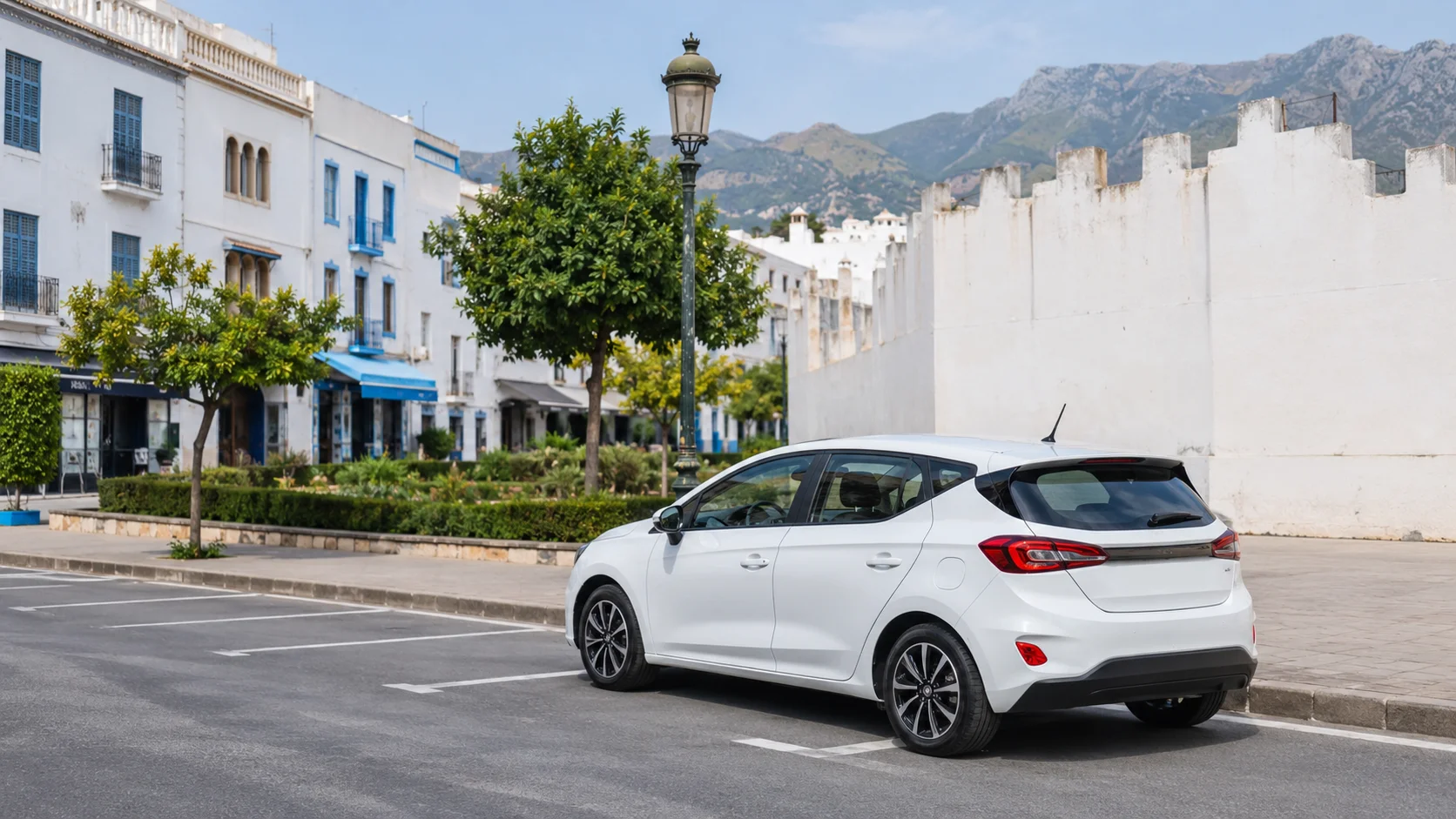
Tetouan is easier to understand if you separate the modern city from the historic medina.
The medina is one of the city's main attractions and is recognized as a UNESCO World Heritage Site. Morocco's tourism office describes it as a historic district characterized by traditional narrow alleyways and Hispano-Moorish influences.
That makes it excellent for exploring on foot but not somewhere you should expect to drive directly to every riad entrance.
If you are staying inside the medina
Contact your accommodation before arrival and ask:
Where should I park?
What location should I enter into navigation?
How far is the walk from the parking area?
The address of a riad is not always the best destination to enter into your navigation application.
A much easier arrival plan is:
Navigate to the recommended parking area → park the rental car → take your luggage to the accommodation on foot or follow the hotel's instructions.
Parking outside the medina
If your hotel is in the newer part of Tetouan, access is usually easier.
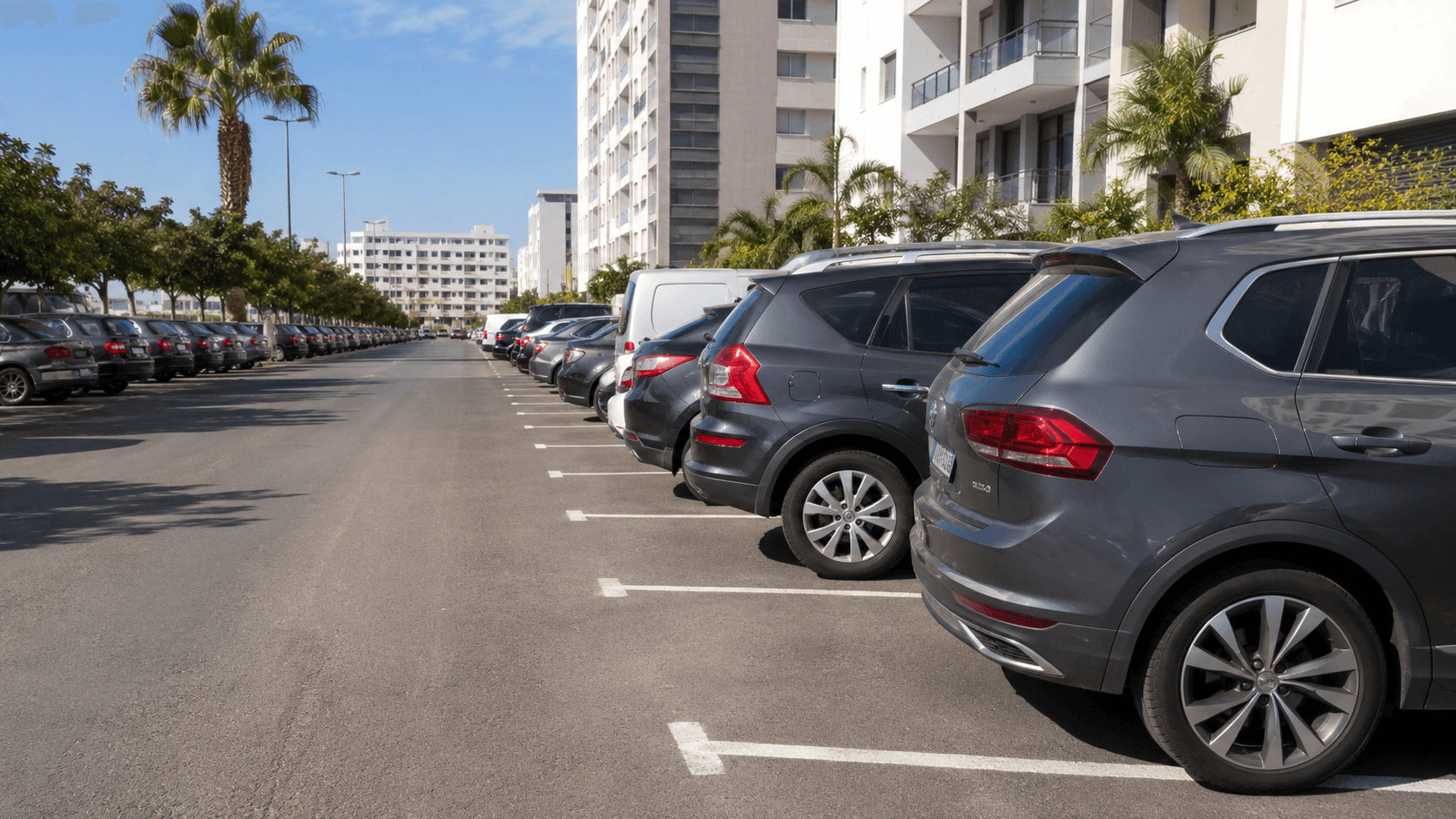
Look for legal parking spaces or managed parking areas and follow local signs.
As with any road trip, avoid leaving passports, laptops, cameras or visible luggage unattended in the car.
Best Rental Car for Casablanca to Tetouan
You do not need an SUV simply because you are traveling to northern Morocco.
The best car depends on passengers, luggage and what you plan to do after arriving in Tetouan.
Sedan Rental: Best Overall Choice
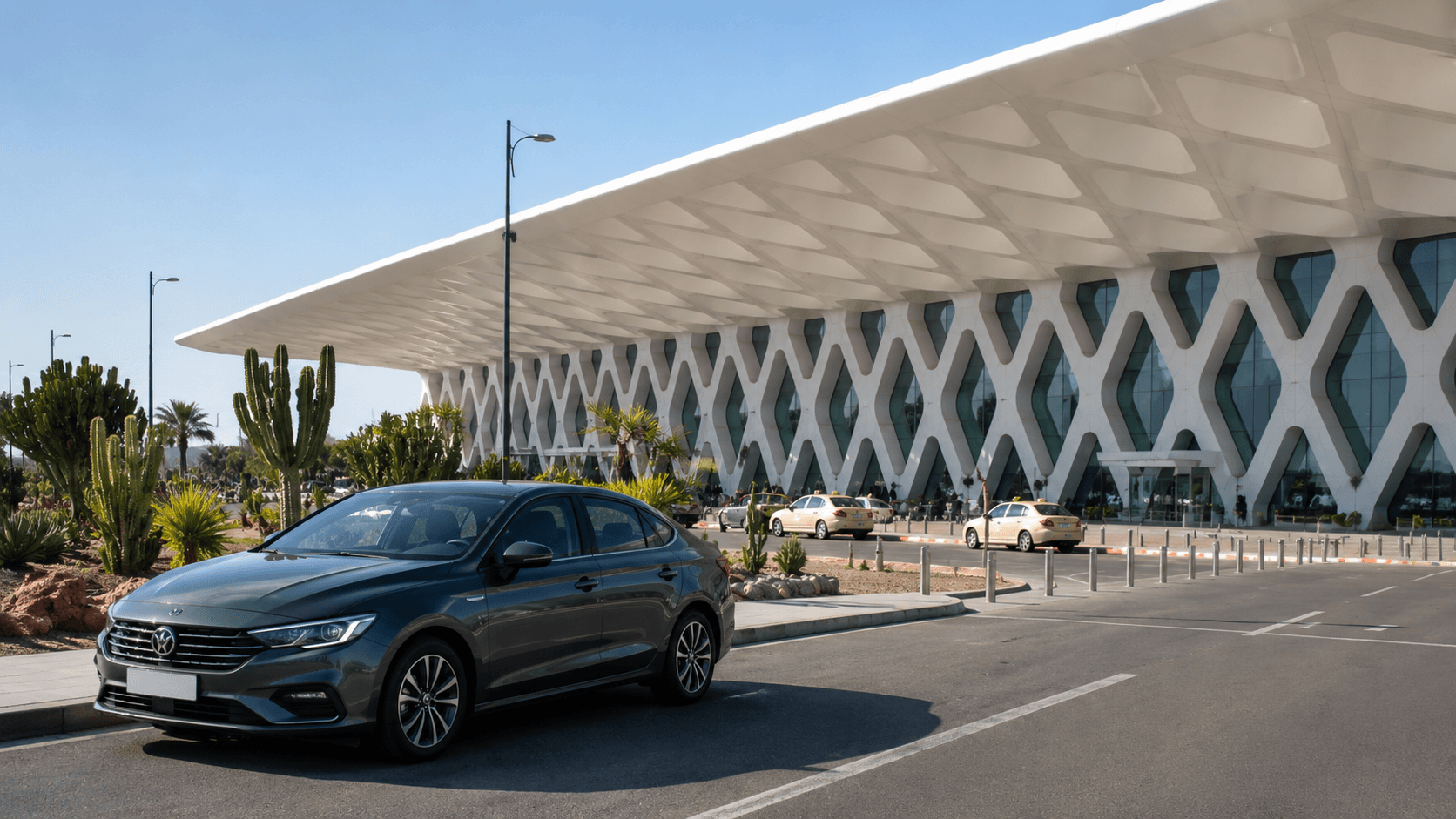
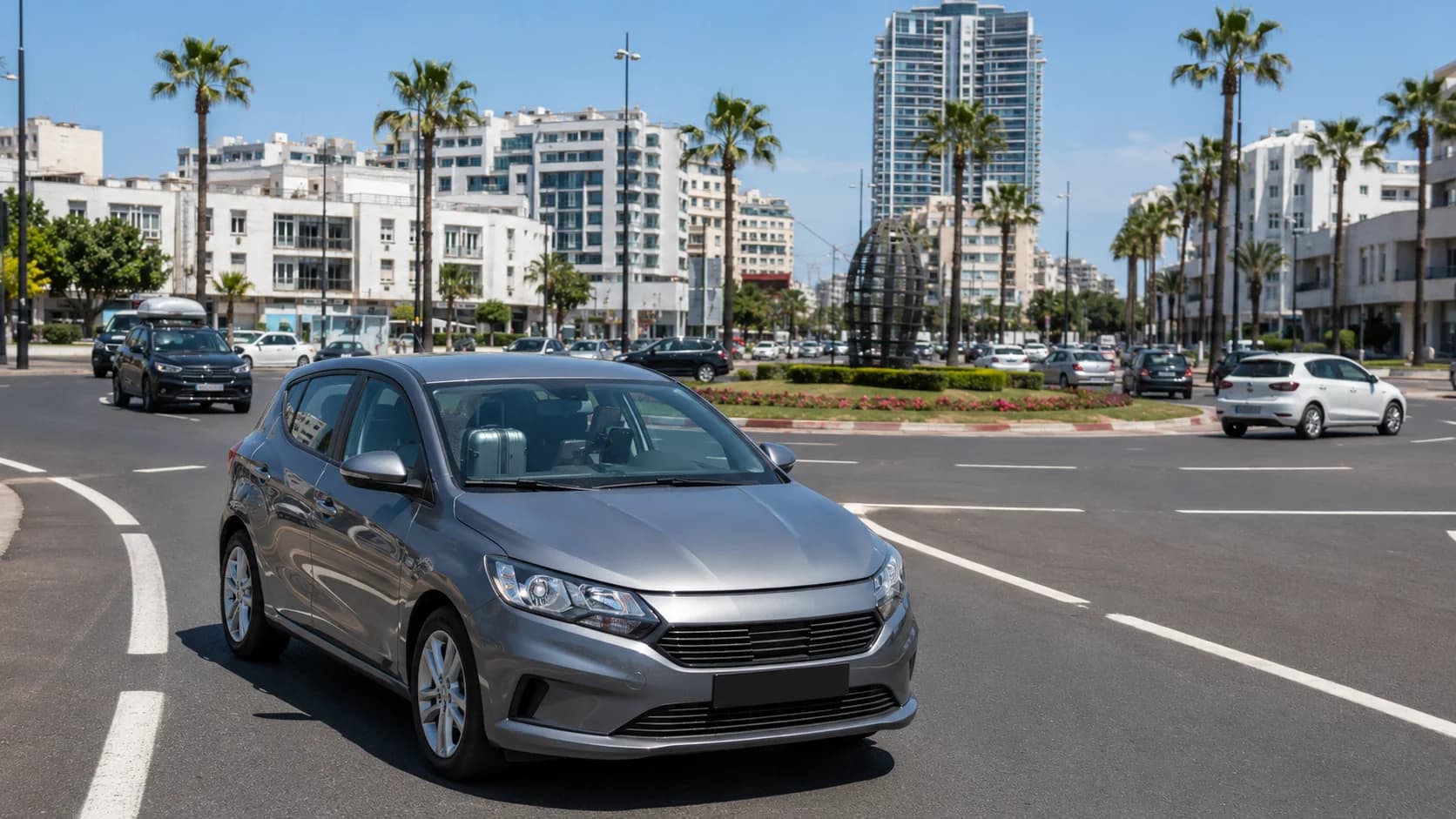
For most couples, families and groups of up to four people, a sedan rental in Casablanca is the best all-round option.
Sedans provide a good balance of:
long-distance comfort, boot space, fuel economy, motorway stability and easy city driving.
They are particularly suitable for itineraries such as:
Casablanca → Tetouan
Casablanca → Tetouan → Tangier
Casablanca → Tetouan → Chefchaouen
For normal paved roads, a sedan is more than sufficient.
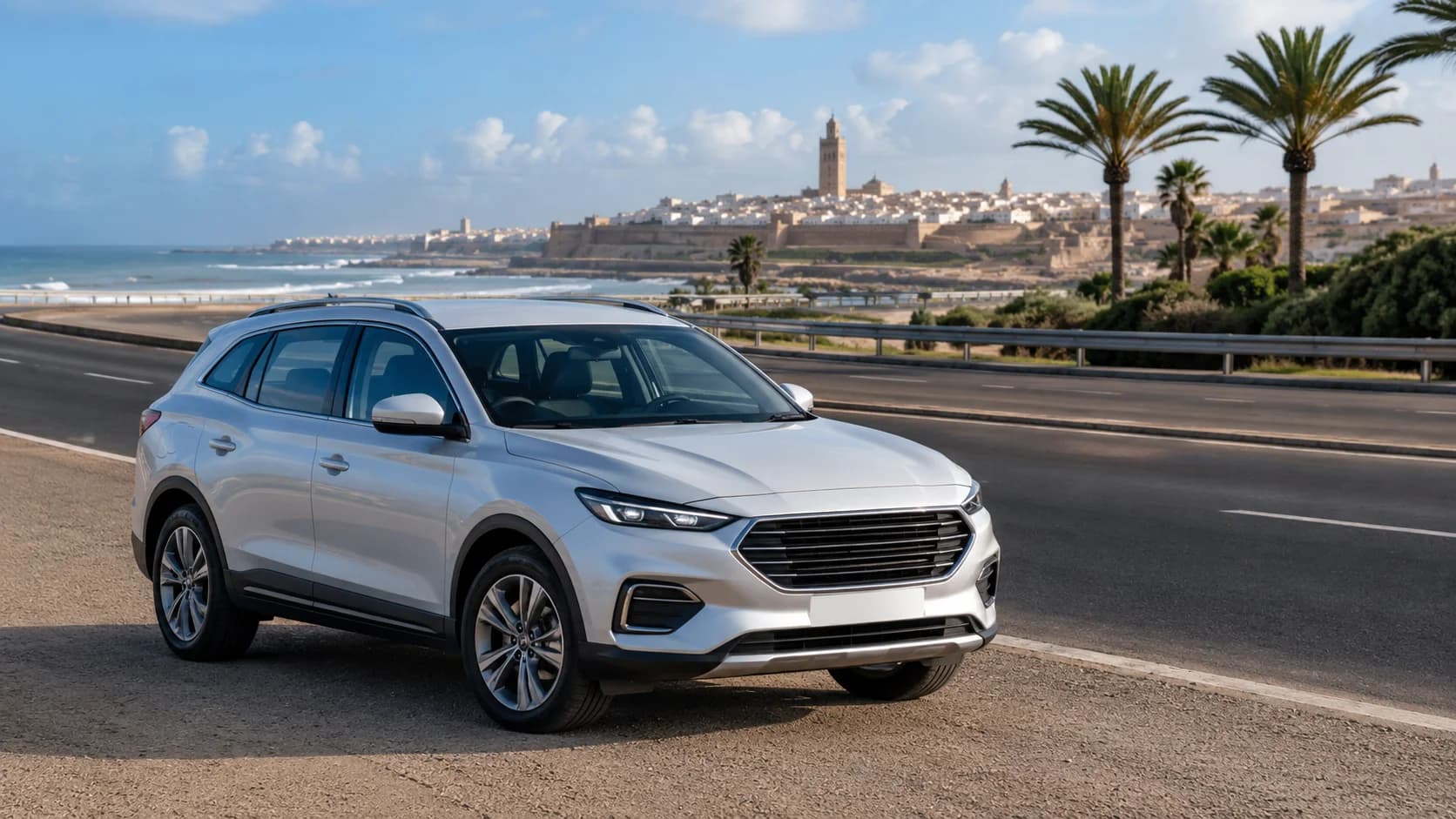
SUV Rental: Best for Groups and Longer Northern Trips
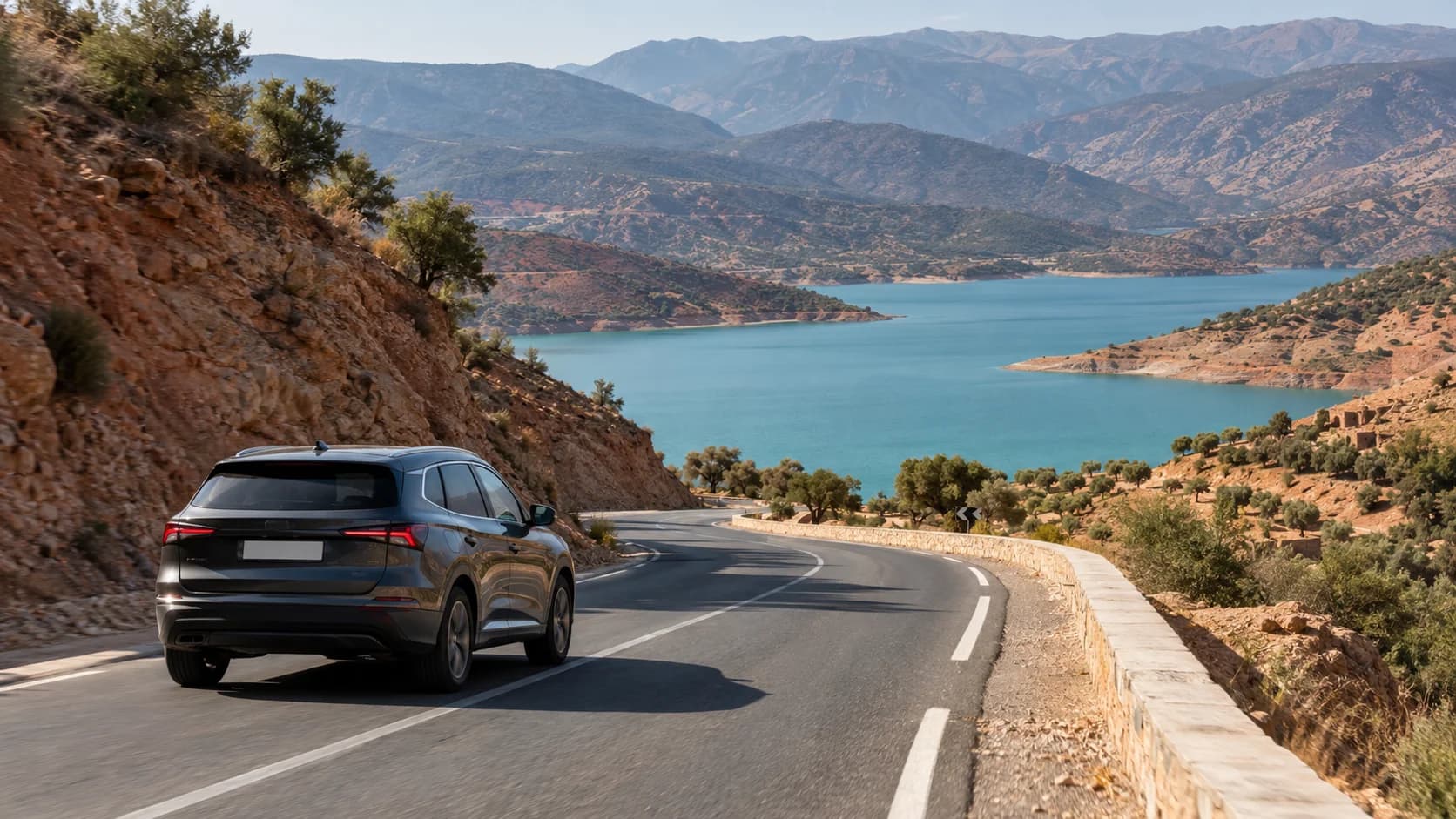
An SUV rental in Casablanca becomes more attractive when you have additional luggage or plan to extend the journey into the Rif region.
Consider an SUV if you have:
four or five passengers, several large suitcases, child seats or a multi-city itinerary.
An SUV can also provide additional comfort on a route such as:
Casablanca → Tetouan → Chefchaouen → Rif Mountains → Fes.
The main advantage is space and comfort. Four-wheel drive is not required for the normal Casablanca–Tetouan route.
Cheap Rental Car: Best for Couples and Budget Travelers
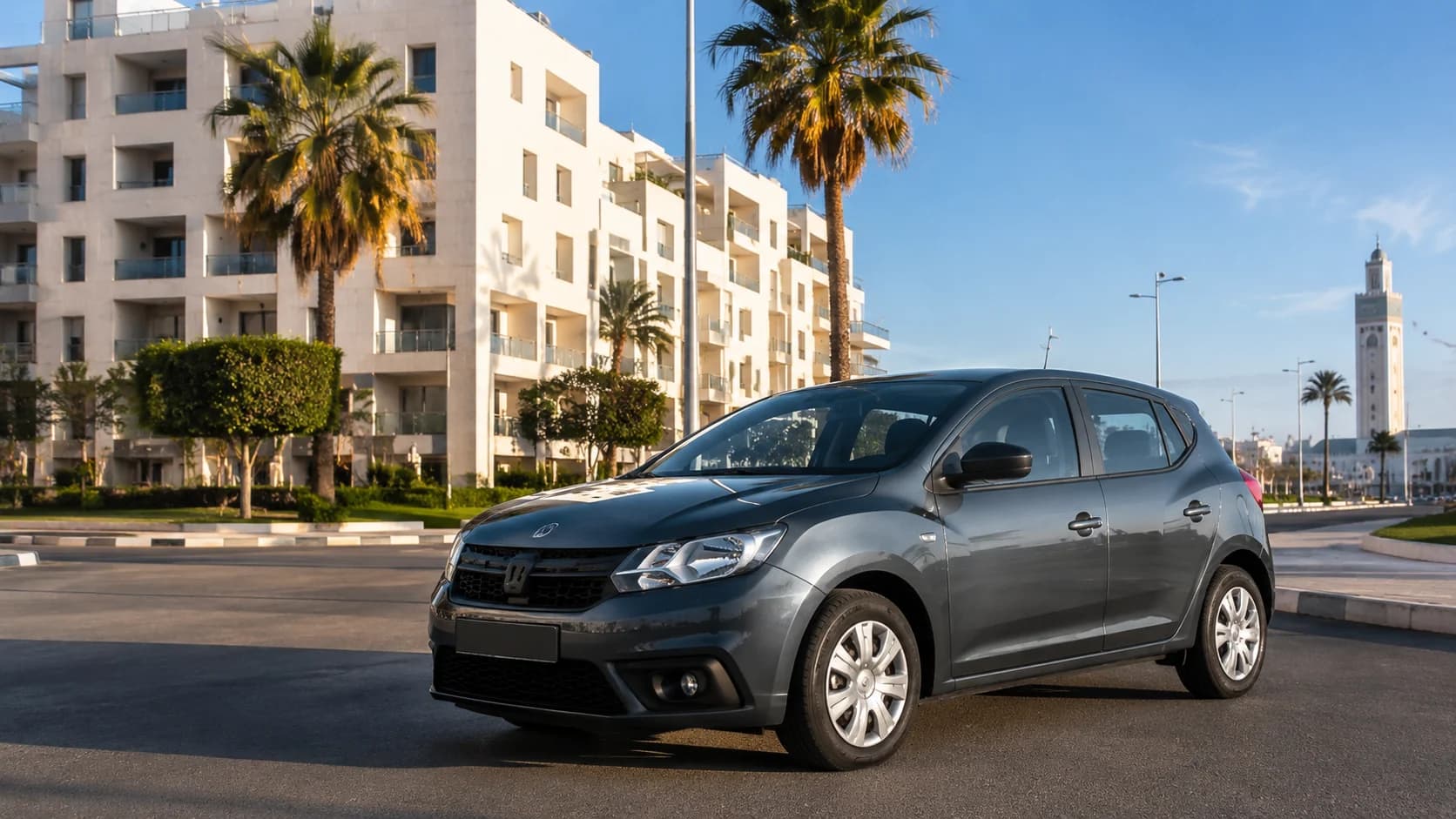
A cheap car rental in Casablanca can also handle the route comfortably.
For one or two travelers with moderate luggage, an economy car may be all you need.
The biggest issue is not engine size. It is space.
Check how much luggage you are carrying before selecting the smallest available model.
A compact car that is comfortable around Casablanca can feel significantly less comfortable after four or five hours if every seat and part of the boot is full.
Which car should you choose?
| Rental Type | Best For | Casablanca to Tetouan |
|---|---|---|
| Economy | 1–2 travelers | Very good |
| Sedan | Couples and small families | Excellent |
| SUV | Groups and more luggage | Excellent |
| 7-seater | Larger families | Good |
For most travelers, a sedan provides the best balance.
Tetouan Road-Trip Checklist
Before leaving Casablanca, make sure you have:
-
enough fuel for the first stage
-
your original driving licence
-
your rental documents
-
navigation set before departure
-
water for the journey
-
a payment method for motorway tolls
-
the address and parking instructions for your Tetouan accommodation
-
enough time for at least one break
Check your vehicle's fuel level and become familiar with the basic controls before joining the motorway.
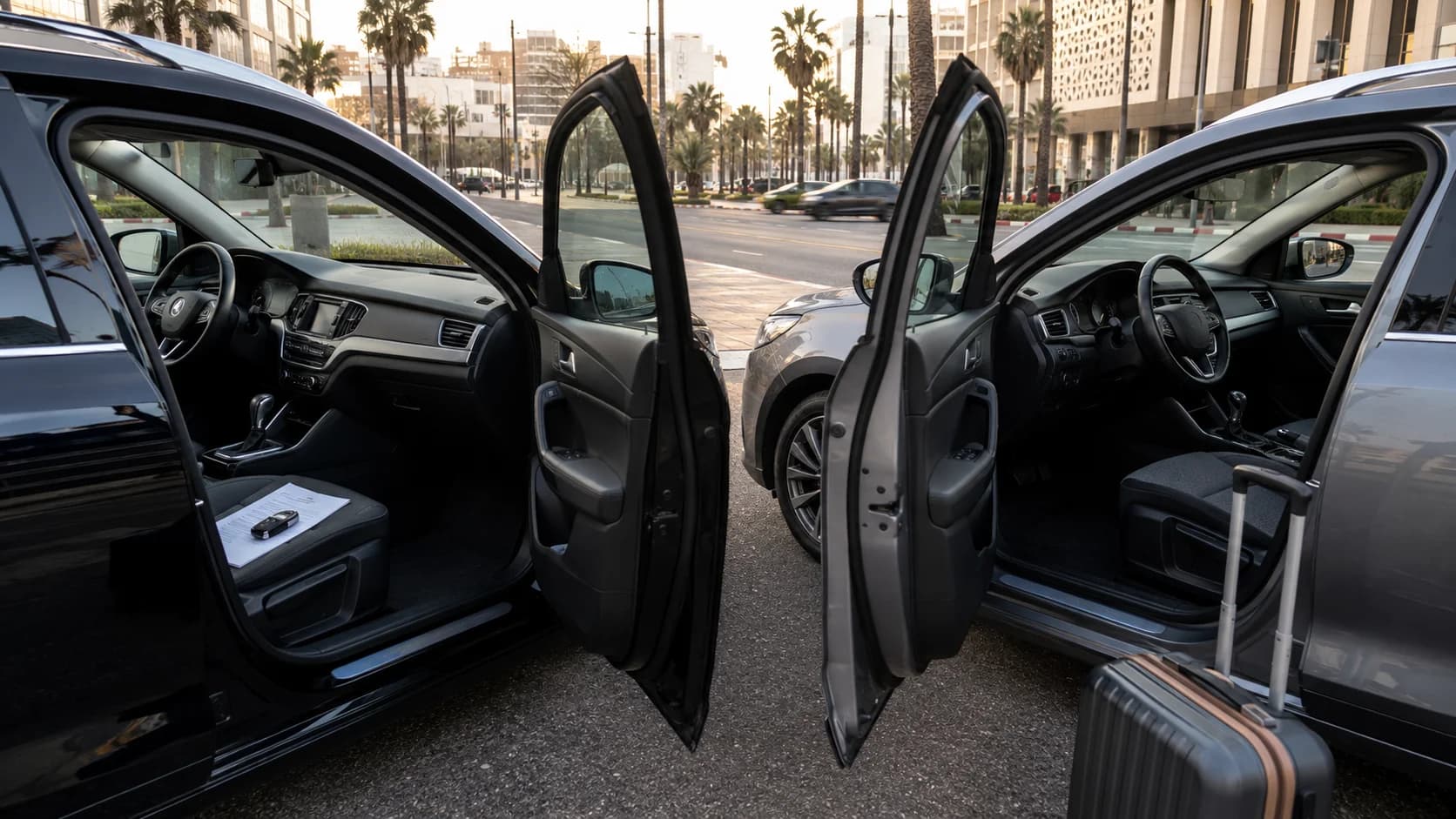
If you have several suitcases, make sure everything fits securely in the luggage compartment rather than discovering a space problem after collection.
For a first-time Morocco driver, try to complete the final approach to Tetouan during daylight.
Can You Combine Tetouan and Chefchaouen?
Yes.
Tetouan is particularly useful as part of a wider northern Morocco road trip because Chefchaouen is relatively close.
The Moroccan National Tourist Office lists Chefchaouen at approximately 64.9 km from Tetouan, with a suggested travel time of around 1 hour 38 minutes.
Rather than rushing both destinations into the Casablanca driving day, consider:
Day 1: Casablanca → Tetouan
Day 2: Explore Tetouan → Chefchaouen
Day 3: Chefchaouen and Rif region
Day 4: Continue toward Fes or Tangier
This gives you significantly more flexibility and makes better use of having a rental car.
Frequently Asked Questions
How far is Tetouan from Casablanca by car?
The driving distance from Casablanca to Tetouan is approximately 359 to 360 km.
How long is the drive from Casablanca to Tetouan?
The direct driving time is approximately 4 hours 15 minutes in favorable conditions. For normal travel with a break, tolls and possible traffic, allow around 4.5 to 5 hours.
What route should I take from Casablanca to Tetouan?
The most practical route is north from Casablanca through the Rabat and Kenitra motorway corridor, continuing toward Tangier before leaving around Tanger Est and taking the N2 toward Tetouan.
Are there toll roads on the way?
Yes. A substantial part of the Casablanca to Tetouan journey uses Morocco's toll motorway network.
Where should I stop between Casablanca and Tetouan?
Kenitra works for an early break, while the Larache area is a good choice for a later stop. If you want the fastest journey, use a motorway service area.
Do I need an SUV for the route?
No. An SUV is not necessary for the standard route. The journey uses paved motorways and national roads. Choose an SUV mainly for additional space, luggage or a longer northern Morocco itinerary.
Is a sedan comfortable for the trip?
Yes. A sedan is one of the best options for Casablanca to Tetouan because it combines comfortable motorway driving with manageable dimensions when you reach Tetouan.
Can I combine Tetouan and Chefchaouen?
Yes. Chefchaouen is roughly 65 km from Tetouan, making the two destinations easy to combine as part of a multi-day northern Morocco itinerary.
Where should I park when I reach Tetouan?
If your accommodation is near or inside the medina, ask the property for its recommended parking location before arrival. Park outside complicated historic streets and complete the final section on foot where necessary.
Is the drive suitable for a first-time Morocco driver?
Yes, particularly if you are comfortable with motorway driving. Most of the route is straightforward. The final N2 section and Tetouan city traffic require more attention, so arriving during daylight is preferable.
Plan Your Casablanca to Tetouan Road Trip
Driving from Casablanca to Tetouan gives you more flexibility than simply traveling between two cities.
The route covers around 360 km, with most of the journey following Morocco's motorway network before the final approach into Tetouan. Allow around 4.5 to 5 hours for a comfortable trip rather than planning around the fastest possible navigation estimate.
A sedan is ideal for most travelers, while an SUV provides more room for families, larger groups or itineraries continuing toward Chefchaouen and the Rif Mountains.
Once you reach Tetouan, having your own vehicle also gives you the freedom to continue toward Tangier, Chefchaouen, M’diq, Tamouda Bay and other northern destinations without rebuilding your itinerary around public transport.
Planning northern Morocco by car? MarHire Car Casablanca offers sedans, SUVs and affordable rental options for flexible road trips from Casablanca to Tetouan, Tangier, Chefchaouen and beyond.