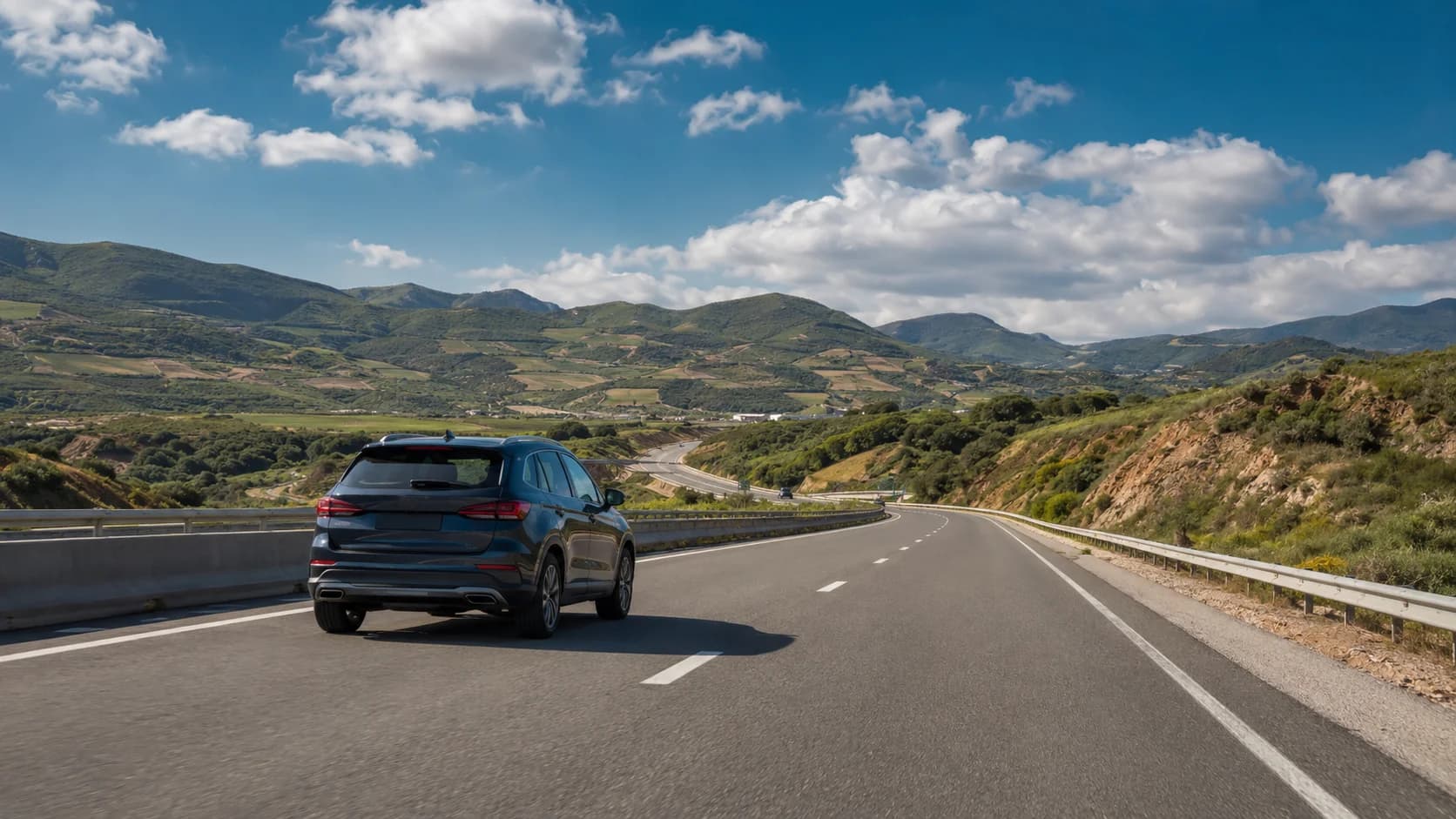






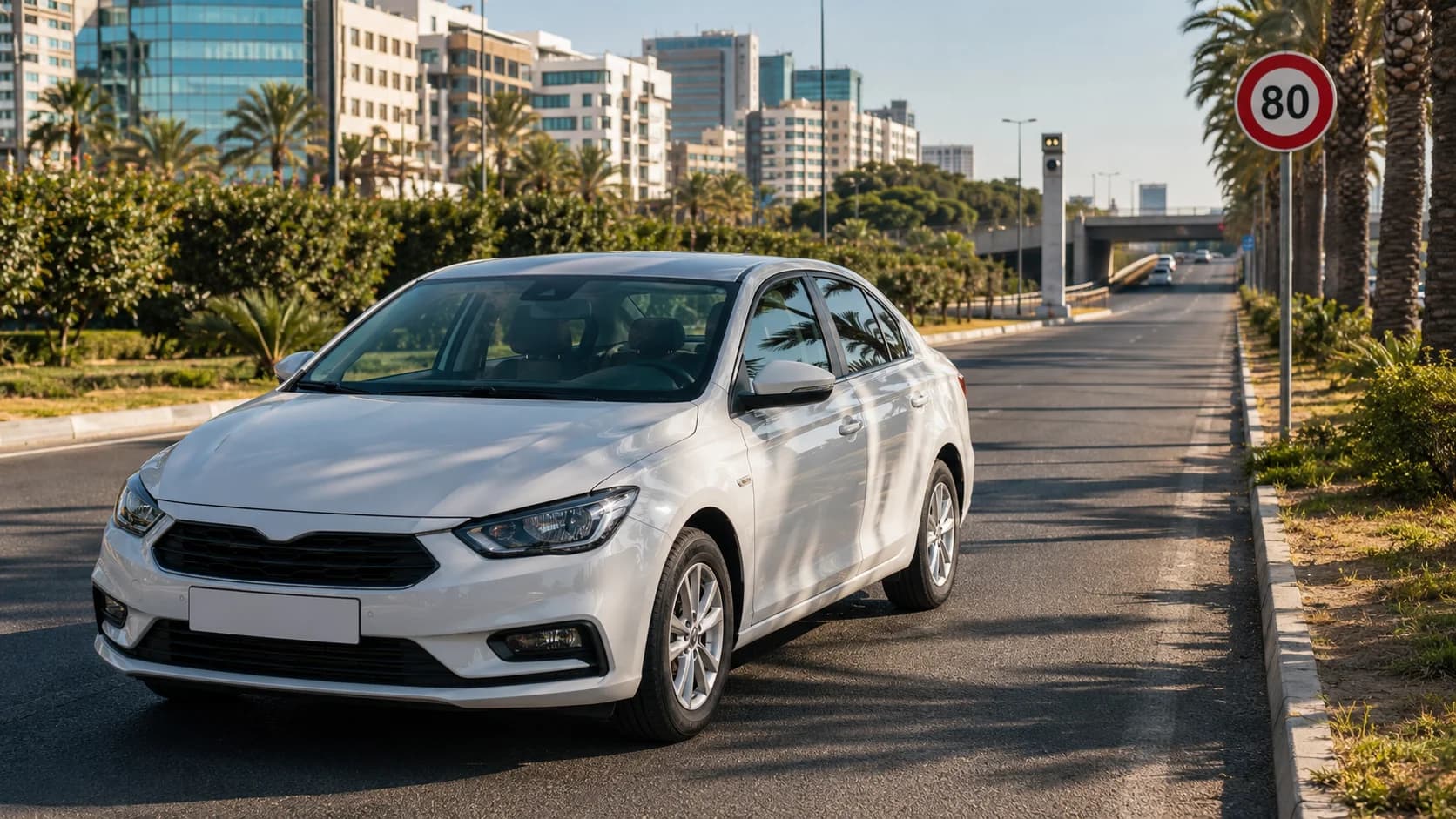
Driving from Casablanca is one of the easiest ways to explore Morocco, but speed rules matter. Morocco speed limits are usually simple to understand, but they can change quickly between city streets, national roads, villages and motorways. The safe baseline is 60 km/h in cities, around 80 to 100 km/h on national roads depending on signs, and 120 km/h on autoroutes. NARSA also notes that urban zones can be limited to 20, 40 or 60 km/h, national roads are generally 80 km/h with some sections allowing 100 km/h, and autoroutes are limited to 120 km/h.
Table of Contents
- The three core speed limits
- City limits inside Casablanca
- National road limits
- Motorway limits
- Fixed and mobile radars
- Police checkpoints and stops
- On-the-spot fines explained
- What happens with a rental car
- Other key rules
- FAQs
The Three Core Speed Limits
For most visitors, Morocco speed limits can be remembered like this: 60, 100 and 120.
| Road type | Common limit | What to watch |
|---|---|---|
| Urban areas | 20, 40 or 60 km/h | Casablanca streets, schools, tram areas, local signs |
| National roads | 80 to 100 km/h | Villages, bends, junctions, police checks |
| Autoroutes | 120 km/h | Toll roads, average-speed radars, exits, works |
This is the simple rule, but the signs always win. If a sign says 40, 60 or 80, follow the sign even if the road looks wider or faster. Speed cameras Morocco drivers see on major routes are not only on motorways. They also appear on urban roads, regional roads and national roads.
City Limits Inside Casablanca
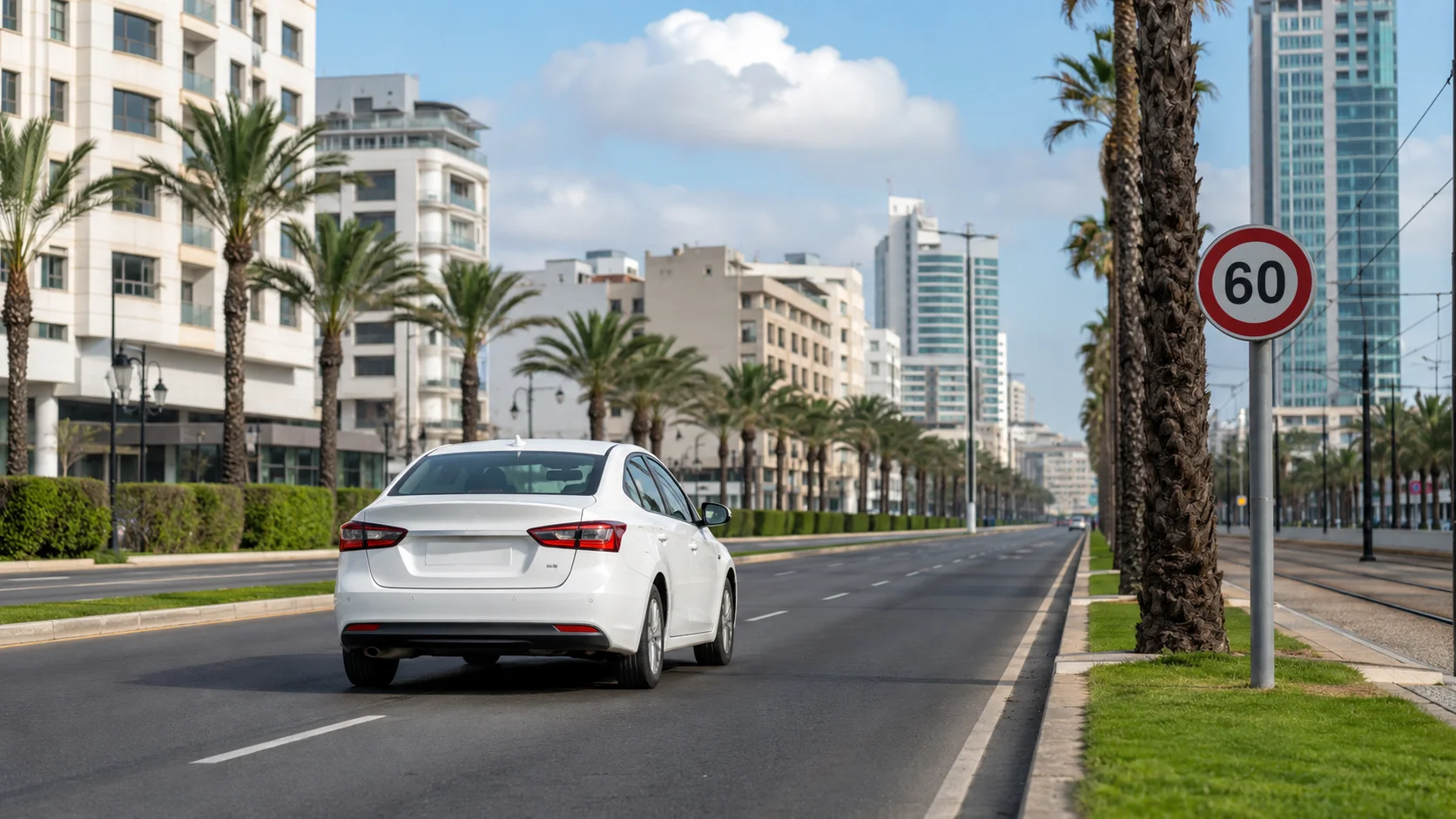
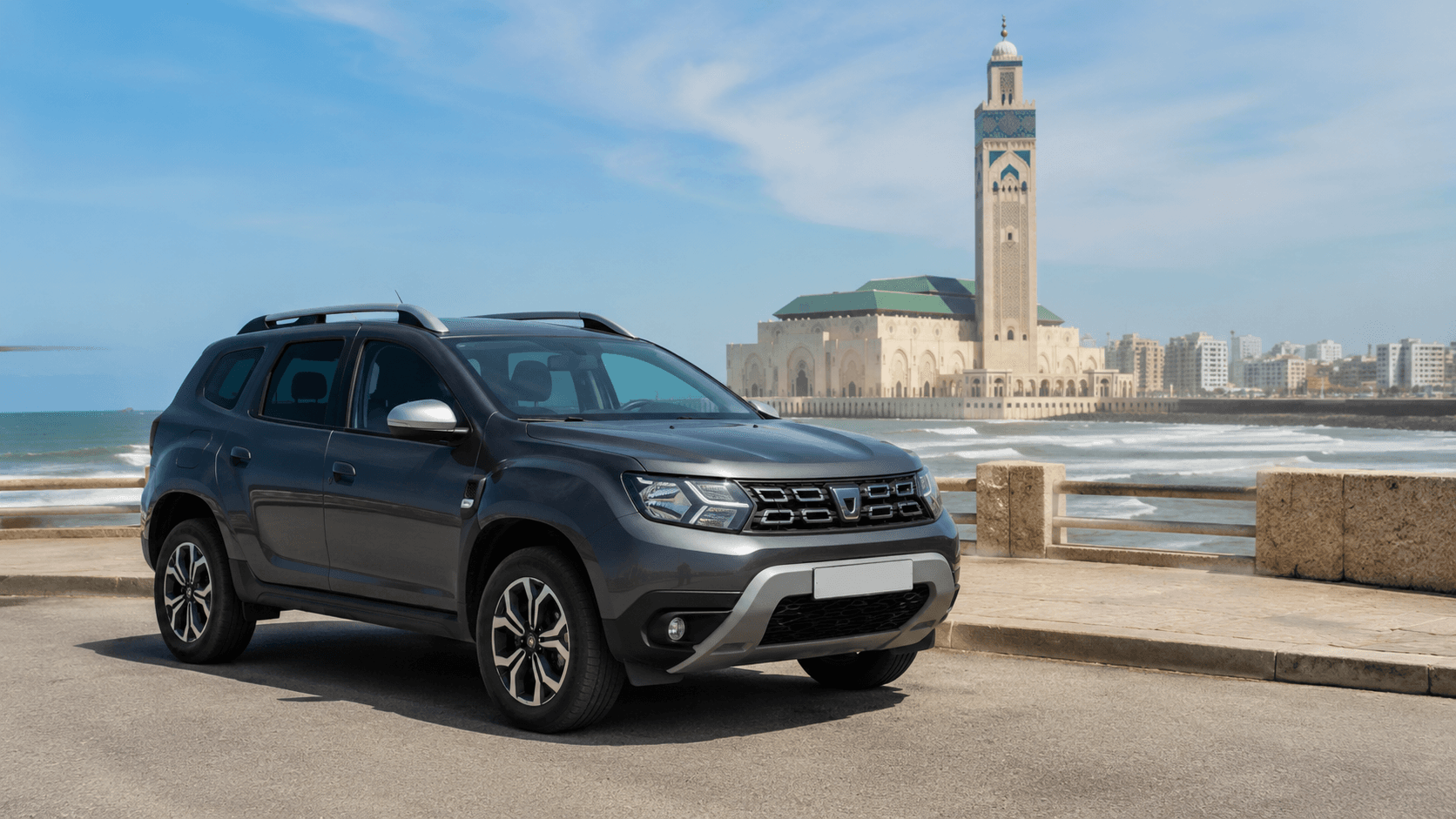
Casablanca is Morocco’s busiest driving city. Roads can feel wide in places, especially around business areas, boulevards and routes toward the airport, but that does not mean the limit is always high. Inside the city, expect 60 km/h as the general upper city limit, with many lower-limit zones depending on the street design.
Lower limits are common near schools, tram crossings, pedestrian areas, roadworks, roundabouts and dense commercial streets. In Casablanca, your main risk is not only speeding. It is missing a sudden reduction from 60 to 40, or entering a controlled section while following the flow of taxis, scooters and local traffic.
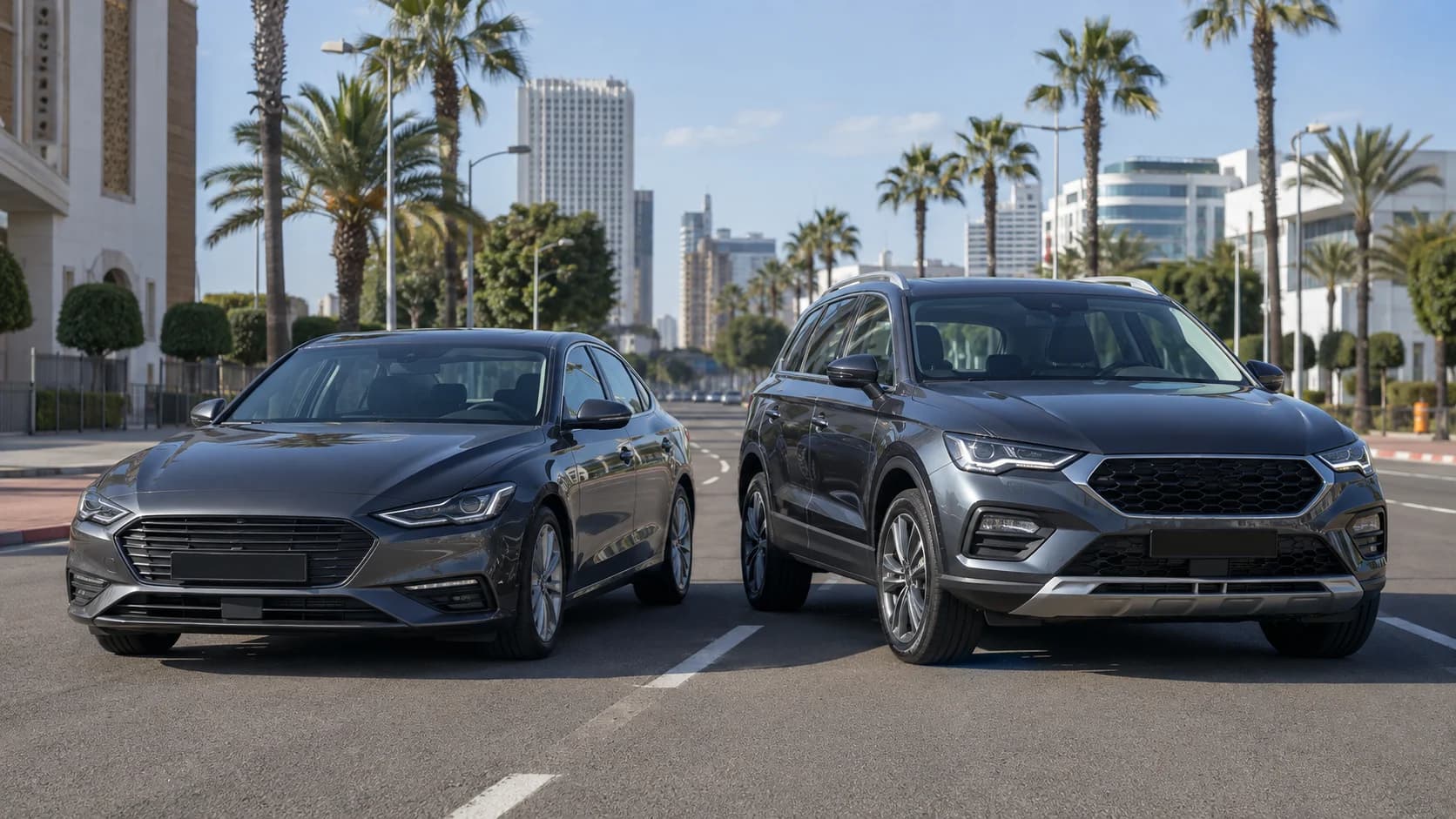
The best habit is simple: drive calmly in the right lane when possible, watch road signs early, and avoid accelerating hard after traffic lights. A comfortable sedan is often better than a large vehicle for Casablanca traffic, especially if you want smooth motorway driving later. For that type of trip, a sedan rental Casablanca option is a practical match.
National Road Limits
National roads, often marked as N-roads, connect cities, towns and rural areas. They can feel fast because many sections are straight, but they often pass near villages, junctions, markets, farms and pedestrian crossings. NARSA’s road-safety guidance says national roads are generally limited to 80 km/h, while some portions may allow 100 km/h.
This is where many visitors get caught by radar Maroc checks. A road may feel like a 100 km/h route, then drop to 80, 60 or even 40 near a settlement. Police often choose these transition zones because drivers do not always slow down quickly enough.
On two-lane national roads, avoid overtaking unless visibility is clear, the road markings allow it, and you have enough space. Trucks, buses, scooters, animals and slow farm vehicles can appear suddenly. A cheap economy car is enough for many Casablanca day trips, but choose one that is modern, stable and well maintained. For simple city-to-coast or city-to-Rabat driving, cheap car rental Casablanca can be enough if you do not need extra space.
Motorway Limits
Moroccan autoroutes are usually the easiest roads for first-time visitors. They are toll roads, generally well marked, and connect Casablanca with major cities such as Rabat, Marrakech, Agadir, Fes and Tangier.
The motorway speed limit is 120 km/h unless signs show a lower limit. NARSA confirms 120 km/h as the maximum autoroute limit.
From Casablanca, the most relevant motorway routes include:
- A1, listed by ADM as Rabat to Safi,
- A3, listed by ADM as Casablanca to Agadir, including the Casablanca, Settat, Marrakech and Agadir axis,
- A5, listed by ADM as Port Med to Rabat,
- A7, listed by ADM as Tetouan to Fnideq.
A small correction for drivers: Casablanca to Marrakech and Agadir is commonly discussed as the Marrakech motorway route, but ADM lists it under A3 Casablanca to Agadir, not A7. A7 is in the north, around Tetouan and Fnideq.
On motorways, do not treat 120 km/h as a target in every condition. Slow down for rain, heavy wind, fog, traffic, toll plazas, work zones and exits. Morocco also uses average-speed enforcement on some motorway sections, so braking only when you see a camera is not a safe strategy.
Fixed and Mobile Radars
Yes, there are speed cameras in Morocco. NARSA says Morocco added 552 new-generation automated enforcement devices, in addition to an existing fleet of 140 radars, with deployment across the country. These devices include 276 speed-control radars outside urban areas on national and regional roads, 204 urban radars for red lights and speed, and 72 average-speed radars dedicated to the motorway network.
Modern radars can do more than record speed. NARSA says the equipment can identify vehicles, read plates in real time, distinguish light vehicles from heavy vehicles, detect violations in both directions, and control average speed over motorway sections.
Common radar zones include city exits, village entrances, motorway work zones, long straight national roads, downhill sections, approaches to tolls and areas near police checkpoints. The goal is not to “beat” radars. The smart driver simply treats every signed limit as active.
Police Checkpoints and Stops
Police and gendarmerie checkpoints are normal in Morocco. They are usually calm, quick and routine. You may see cones, a stop sign, officers at the roadside, or a small police post near a junction or city entrance.
Approach slowly, remove sunglasses if needed, lower your window and wait for instructions. Sometimes the officer waves you through. Sometimes they ask where you are going. In a rental car, they may ask for your driving licence, passport or ID, rental agreement, vehicle papers and insurance documents.
Do not rush the stop, argue, joke too much, or reach suddenly into bags without explaining. Keep your documents together in the glove box or a small folder. If you are unsure what is being asked, stay polite and call your rental agency for support.
On-the-Spot Fines Explained
Driving fines Morocco visitors usually hear about are speeding fines, phone-use fines, seat belt fines, parking fines and stop-sign or red-light fines. For speeding, NARSA’s safety guidance lists the following categories: less than 20 km/h over the limit, 20 to less than 30 km/h over, 30 to less than 50 km/h over, and 50 km/h or more over the limit. The last category is treated as a serious offence.
NARSA’s payment information also shows that payment timing can affect the amount. For example, a speed excess of less than 20 km/h is listed at 150 DH within 24 hours, 200 DH within 15 days and 300 DH within 30 days. A speed excess of more than 20 km/h and less than 30 km/h is listed at 300 DH within 24 hours, 350 DH within 15 days and 500 DH within 30 days.
If you pay an on-the-spot fine Morocco police issue, ask for and keep the official receipt. Do not pay without paperwork. If you do not understand the fine, contact your rental company before leaving the checkpoint when possible.
What Happens With a Rental Car
With a rental car, the driver is responsible for traffic violations during the rental period. Automated radars identify the vehicle by plate, then the registered owner can be notified. NARSA explains that the process can include plate reading, owner identification through vehicle registration records, notification, payment, driver declaration or a claim within the allowed time.
For a rental vehicle, this usually means the rental company may receive the notice and then contact the renter. Depending on the contract, the agency may ask you to pay the fine, deduct it from a deposit, or charge an administration fee if they must process the paperwork later.
To avoid problems, keep these items with you:
- Driving licence,
- Passport or ID,
- Rental agreement,
- Vehicle registration copy,
- Insurance document,
- Fine receipt if you paid one,
- WhatsApp contact for your rental agency.
If you receive a fine during your trip, tell the agency quickly. It is much easier to solve while you are still in Morocco than after returning home.
Other Key Rules: Seat Belts, Phones and Documents
Seat belts are mandatory. NARSA’s offence table lists non-use of a seat belt as an offence with point withdrawal, and it also lists phone use while holding the phone or using a device with phone functions as an offence.
Do not use your phone by hand while driving. Use hands-free navigation, set your route before moving, and let a passenger manage the phone if possible. Also avoid placing children under 10 in the front seat, as NARSA’s offence table lists this as an offence too.
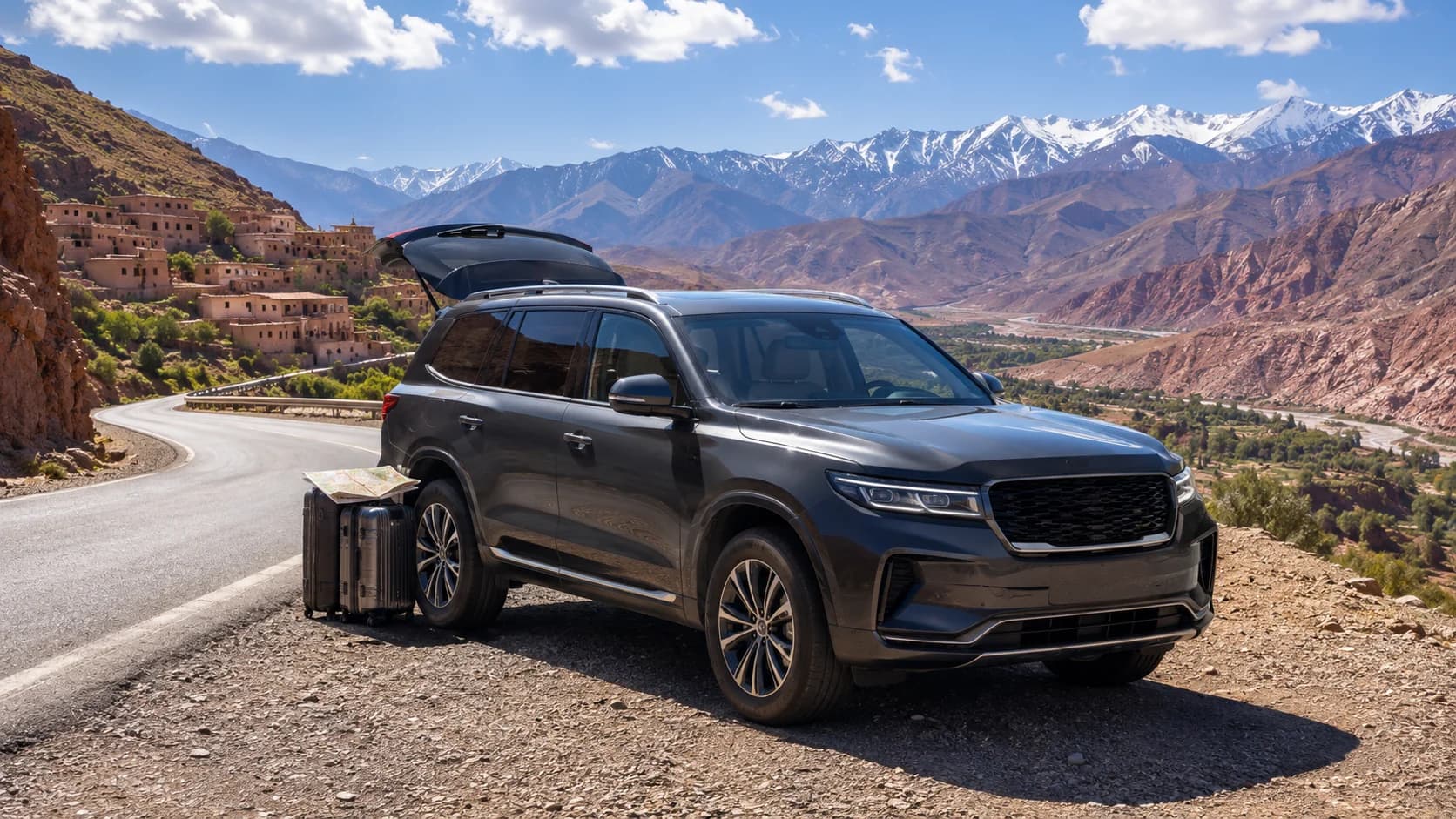
For longer trips from Casablanca, a standard sedan is usually comfortable for Rabat, El Jadida, Marrakech or airport travel. A compact car is easier for tight city parking. An SUV rental Casablanca is better if your route includes mountain roads, family luggage, rural roads or longer multi-city travel.
Drive Morocco With Confidence
Speed rules in Morocco are not difficult, but they are enforced. The best approach is to stay calm, follow signs, slow down early when entering towns, keep your documents ready, and never assume the limit stays the same for the whole road.
MarHire Car Casablanca helps travelers drive with confidence in modern, well-maintained 2025-model cars, with full insurance with excess included, no deposit on standard cars, and 24/7 WhatsApp support if you have a question on the road.
FAQs
What is the speed limit in Morocco?
The simple guide is 60 km/h in cities, 80 to 100 km/h on national roads depending on signs, and 120 km/h on autoroutes. Urban areas can also have 20 or 40 km/h zones.
What is the speed limit on Moroccan motorways?
The motorway speed limit is 120 km/h unless signs show a lower limit.
Are there speed cameras in Morocco?
Yes. Morocco uses fixed radars, urban red-light and speed radars, mobile checks and average-speed radar on some motorway sections. NARSA lists 552 new-generation automated enforcement devices plus an older fleet of 140 radars.
What happens if I get a speeding fine in a rental car?
You are responsible for fines during your rental period. If a radar records the vehicle, the notice may go to the registered owner, then the rental agency can contact you or process the fine according to the rental contract.
Do Moroccan police issue on-the-spot fines?
Yes, some fines can be handled at the roadside. Always ask for an official receipt and keep it until the end of the rental.
What is the speed limit in Casablanca city?
Casablanca city driving is usually based around a 60 km/h urban limit, but many streets have lower limits such as 40 km/h or 20 km/h depending on signs, traffic design and pedestrian zones.
Are seat belts mandatory in Morocco?
Yes. Seat belt use is required, and non-use is listed as a traffic offence by NARSA.
Can I use my phone while driving in Morocco?
No. Holding or using a phone while driving is listed as an offence. Use hands-free only and set navigation before you move.
How much is a speeding fine in Morocco?
It depends on how far over the limit you are and when the fine is paid. NARSA lists lower amounts for quicker payment in some cases, such as 150 DH within 24 hours for less than 20 km/h over the limit, rising with later payment.
What documents do I show at a police checkpoint?
Show your driving licence, passport or ID, rental agreement, vehicle papers and insurance documents. Keep everything together so the stop stays quick and calm.