

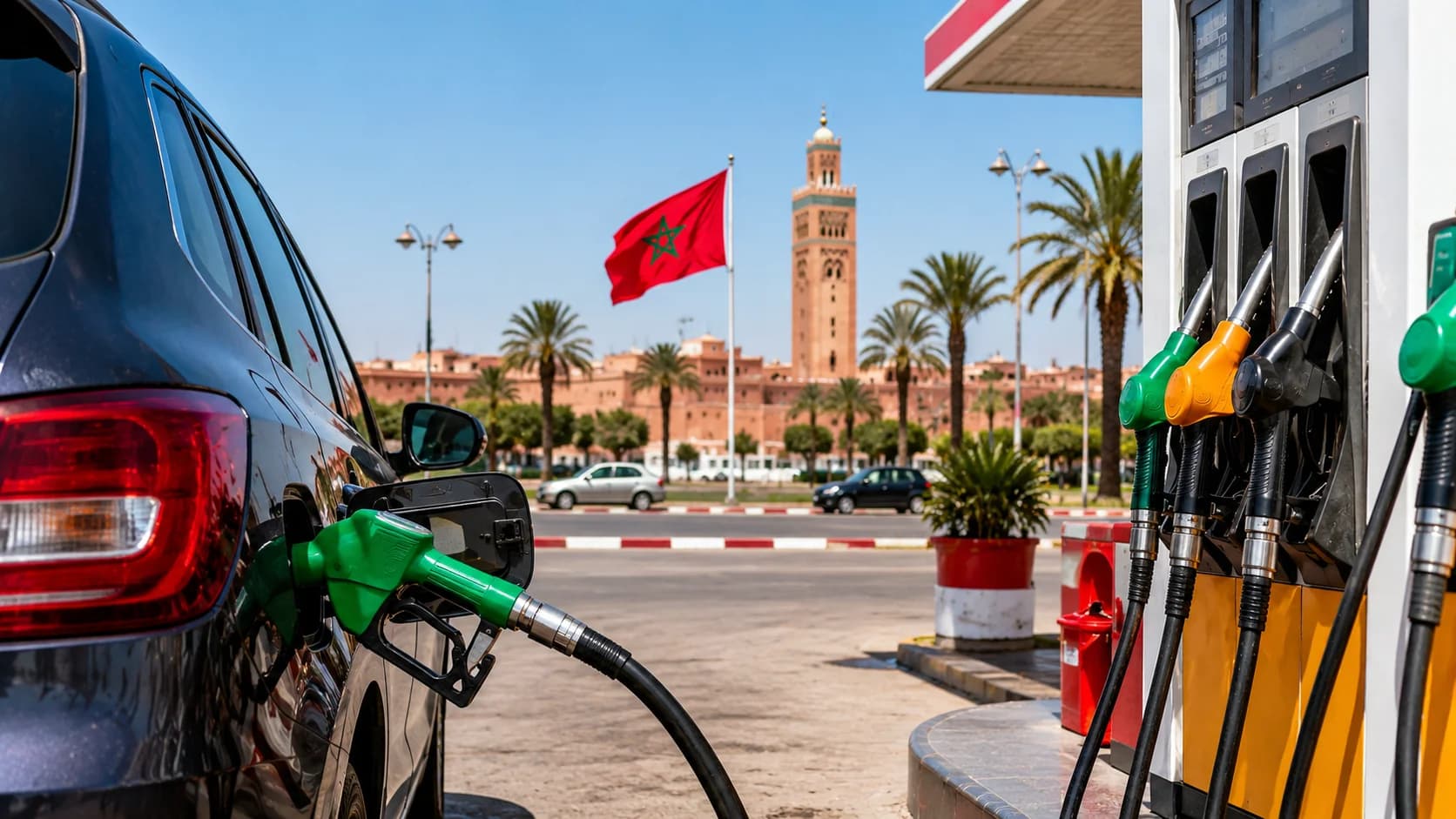
Fuel stations in Morocco are generally easy to find in cities, airports, main roads and motorway service areas, but good planning still matters if you are driving between long-distance destinations. Petrol and diesel prices can change, some rural stretches have fewer stations, and rental drivers need to know which fuel their car takes before leaving the pickup point. This guide explains fuel prices, payment, tipping, fuel quality, long-route planning and simple road-trip habits that help you avoid stress on Moroccan roads.
Petrol vs. Diesel: Which Your Rental Takes
The first rule is simple: always confirm the fuel type before you drive away. In Morocco, rental cars may take petrol or diesel depending on the model. Economy cars and compact city cars are often petrol, while many sedans, SUVs, 7-seaters and larger vehicles may use diesel.
Do not guess by engine sound or car size. Check the rental agreement, ask the agent during handover, and look inside the fuel cap. Many cars have a label showing the correct fuel type. If anything is unclear, send a quick WhatsApp message to the rental agency before filling the tank.
Petrol is often shown as “sans plomb” or unleaded. Diesel may be written as “gasoil” or “diesel.” If you are not sure, show the attendant the fuel cap or rental paper and ask before they start filling.
Putting the wrong fuel in a rental car can cause serious engine damage and may not be covered by insurance. Taking 30 seconds to confirm the fuel type is much easier than dealing with a breakdown.
Major Fuel-Station Brands You’ll See
On Morocco road trips, you will see several national and international fuel-station brands. Common names include Afriquia, Shell, TotalEnergies, Winxo, Ziz, Petrom and OLA Energy. Large stations often include toilets, small shops, cafés, prayer rooms, tyre air pumps and sometimes restaurants.
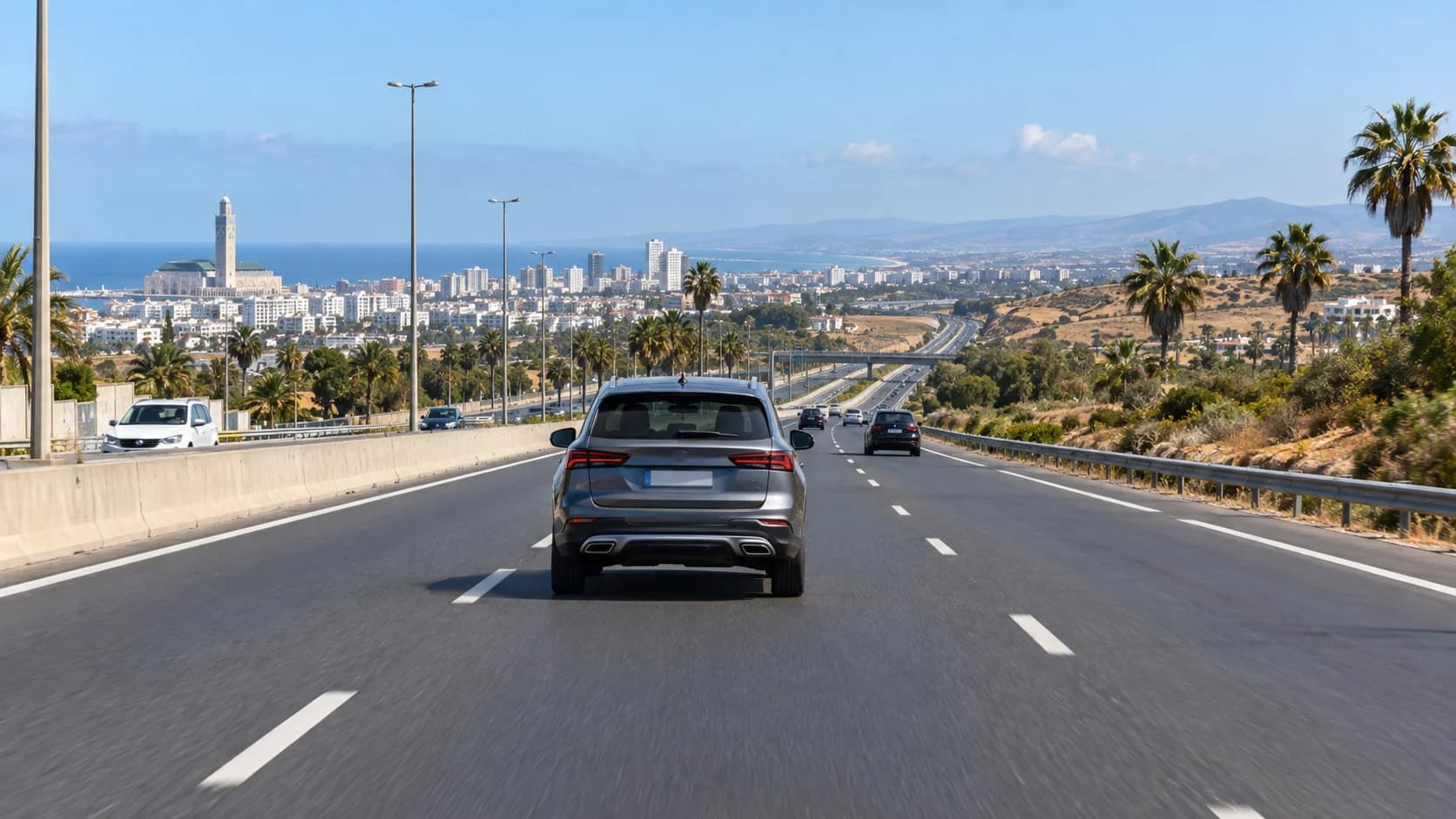
On motorways, service areas are usually more reliable for long-distance driving because they are designed for road-trip stops. In cities, stations are frequent, but traffic and parking can make access slower. On mountain roads or desert routes, stations can be farther apart, so it is better not to wait until the warning light appears.
Most fuel stations in Morocco are full-service. This means an attendant fills the tank for you. You usually do not need to leave the car unless you are paying inside, using the toilet, buying snacks or checking tyre pressure.
Where Stations Are Common and Where They’re Sparse
Fuel stations are common in major cities such as Casablanca, Marrakech, Rabat, Tangier, Agadir and Fes. You will also find many stations near airports, highways, commercial zones and main exits from cities.
Stations are also available on popular routes such as Casablanca to Marrakech, Casablanca to Rabat, Marrakech to Agadir, Tangier to Tetouan and Fes to Meknes. These roads are used by residents, buses, delivery vehicles and tourists, so fuel access is usually easy.
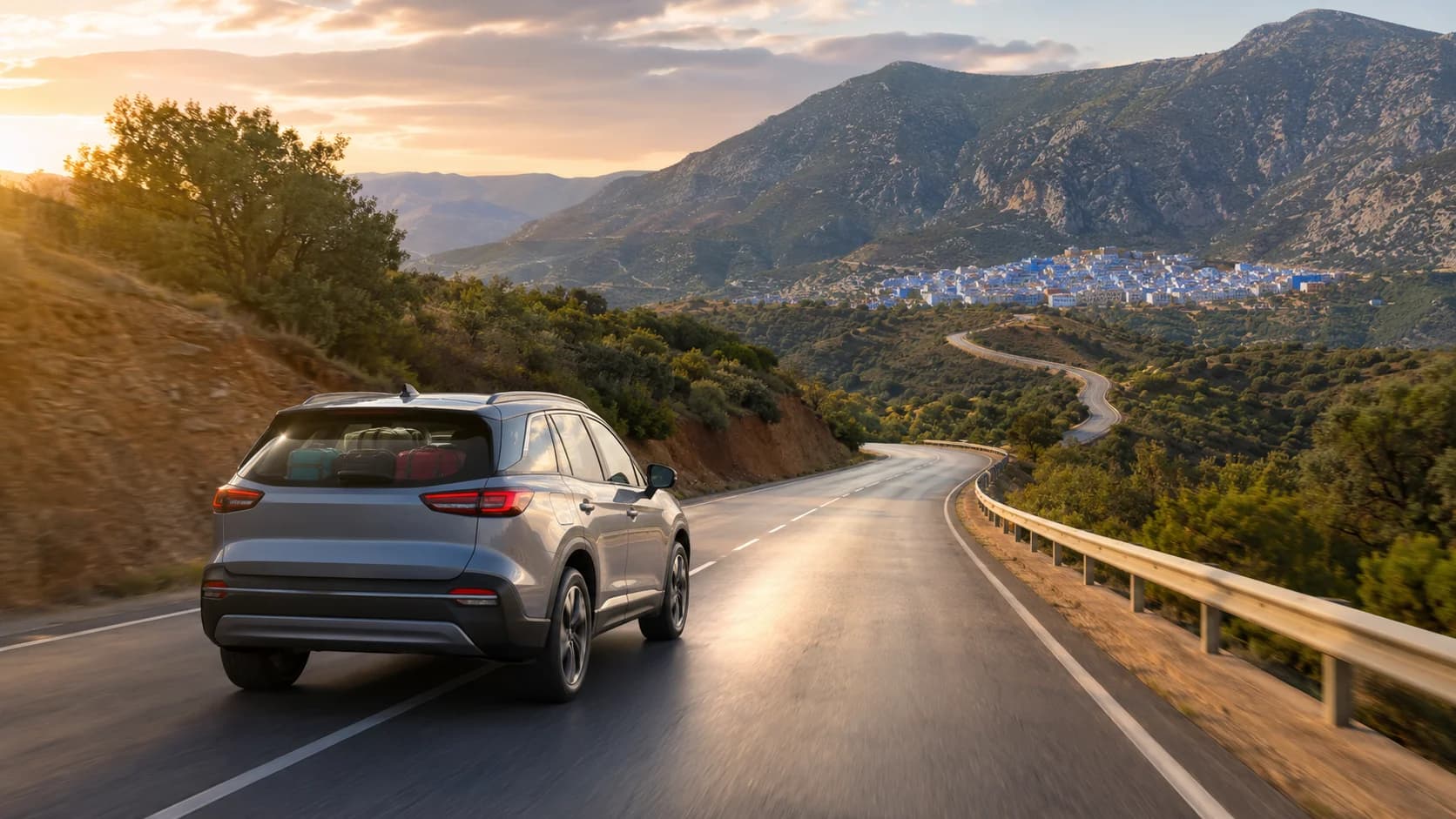
Where you need more planning is on longer rural routes. Mountain roads, desert roads, coastal detours and remote village routes may have fewer reliable stops. Routes toward Merzouga, Zagora, Ouarzazate, remote Atlas areas or long scenic coastal sections should be planned with extra fuel in mind.
A good rule is to refuel when the tank drops below half if you are leaving a city or heading into rural terrain. You do not need to panic, but you should avoid driving deep into remote areas with a nearly empty tank.
Paying: Cash, Card and Attendants
Cash is the safest payment option at fuel stations in Morocco. Cards are accepted at many larger stations, especially on motorways and in cities, but not every station accepts international cards reliably. Sometimes the machine is offline, the card terminal is inside, or the station prefers cash for small payments.
Keep small and medium dirham notes in the car. Notes like 20, 50, 100 and 200 MAD are useful for fuel, tolls, tips, parking and snacks. If you are paying by card, ask before filling: “Carte possible?” This avoids confusion after the tank is full.
Because many stations are full-service, the attendant will usually ask how much fuel you want. You can say a fixed amount, such as 200 MAD or 300 MAD, or ask for a full tank. If you need a full tank, say “plein” or simply point to the fuel gauge and say “full.”
For rental returns, always ask for a printed receipt or take a photo of the pump if you need proof. This is especially useful for full-to-full fuel policies.
Tipping and Full-Service Etiquette
Tipping at fuel stations is not mandatory, but it is appreciated when the attendant gives helpful service. If they simply fill the tank, rounding up or giving 2 to 5 MAD is enough. If they clean the windshield, check tyre pressure or help with directions, 5 to 10 MAD is a nice gesture.
You do not need to overtip. Morocco fuel-station etiquette is simple: be polite, confirm the fuel type, confirm the amount, pay clearly and keep small change ready.
If an attendant starts cleaning your windshield and you do not want the service, a polite “la, shukran” or “non, merci” is enough. Most attendants are helpful and used to tourists.
Fuel Quality and Choosing the Right Grade
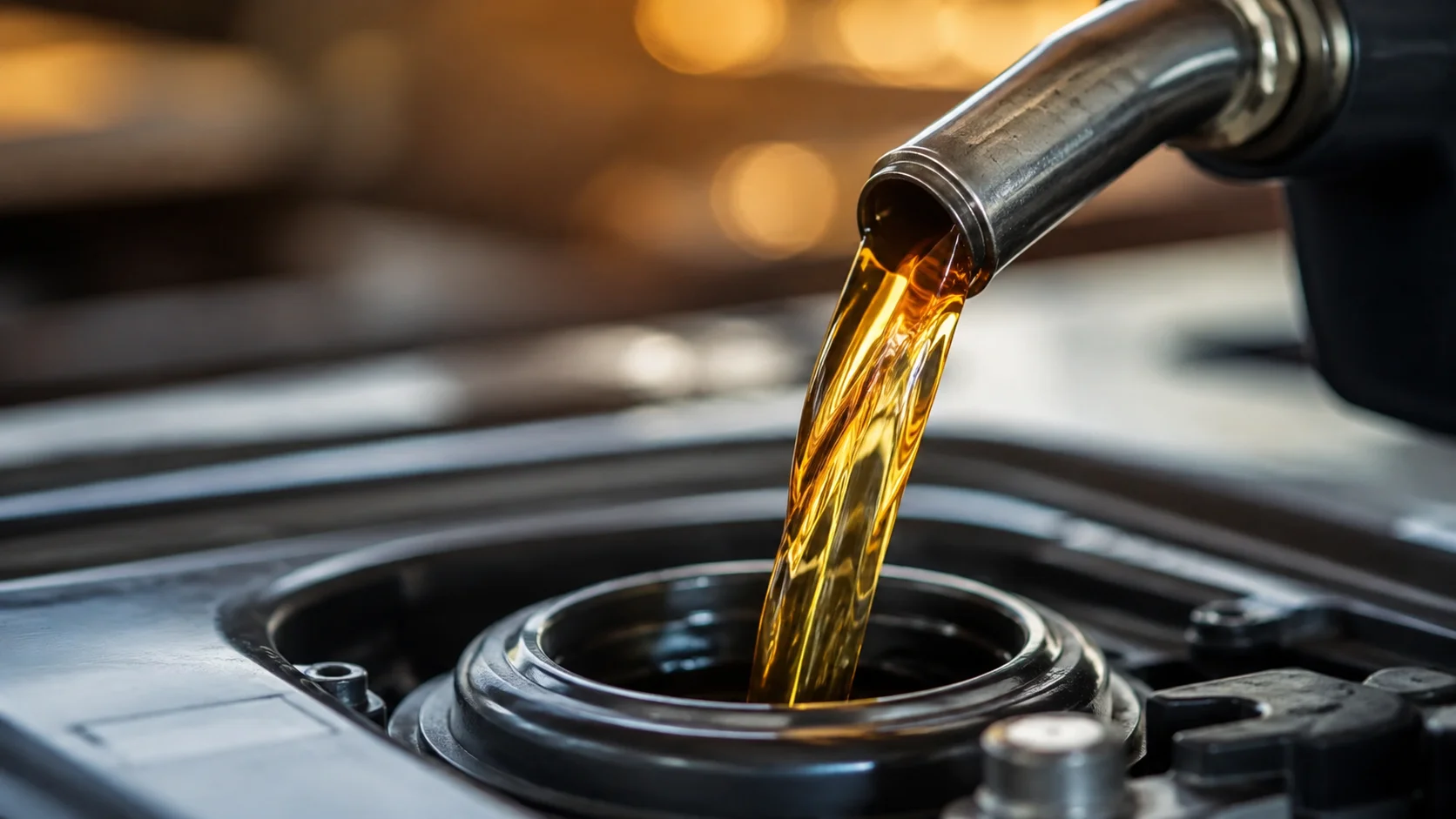
For most rental cars, standard fuel from a major station is the best choice. Choose well-known stations on main roads, motorways and city routes. Avoid very old-looking or isolated stations if the pump area seems poorly maintained and you have other options nearby.
Do not choose fuel based only on the cheapest price. For a rental car, reliability matters more than saving a few dirhams. A clean, busy station with regular traffic is usually a better choice because fuel turnover is higher.
For petrol cars, unleaded fuel is normally required. For diesel cars, use diesel/gasoil. Unless the rental company gives a special instruction, you do not need premium fuel. The main priority is using the correct type.
Planning Fuel Stops on Long Routes
Fuel planning is especially important for road trips from Casablanca, Marrakech, Fes, Tangier or Agadir. Before leaving the city, check your route and identify the next main town or motorway service area.
For example, if you are driving from Casablanca to Marrakech, fuel stops are easy along the motorway. If you are driving toward the Atlas Mountains, Ouarzazate, Merzouga or remote beaches, fill up before the road becomes quiet.
For long routes, use this habit:
Start the day with at least half a tank.
Refuel before mountain or desert sections.
Do not rely on the final station shown on a map.
Keep cash for rural stations.
Use motorway service areas for toilets, snacks and fuel together.
Check fuel before sunset if driving outside cities.
Night driving can make fuel stops more stressful because some rural stations may be closed or quiet. If you are arriving late, fill up earlier in the day.
Fuel-Policy Basics for Rentals
Most rental cars in Morocco use a full-to-full or same-level fuel policy. Full-to-full means you receive the car with a full tank and return it full. Same-level means you return the car with the same level shown at pickup.
Full-to-full is usually the clearest option. It is easy to understand, easy to photograph and easy to verify. At pickup, take a photo of the fuel gauge and mileage. At return, refill close to the drop-off point and keep the receipt.
If the car is delivered to your hotel, airport or riad parking, ask the agent to confirm the fuel level in writing or by photo. Clear fuel records prevent misunderstandings.
If you want to keep total trip costs predictable, choose fuel-efficient budget cars or economical sedans for city-to-city travel. For mountain roads, family luggage or rural routes, SUV rental may use more fuel, but it can offer more comfort and confidence.
Saving Money: Efficient Driving and Diesel
Fuel cost in Morocco depends on your car type, route, traffic and driving style. A small manual petrol car is usually cheaper for city use. A diesel sedan can be efficient on long motorway routes. An SUV may cost more to fuel, but it can be practical for families, luggage, uneven roads and mountain routes.
To save fuel, drive smoothly and avoid hard acceleration. Keep a steady speed on motorways. Do not carry unnecessary luggage. Use air conditioning sensibly, especially on long climbs. Check tyre pressure if the car feels heavy or unstable.
Route planning also saves fuel. Avoid crossing busy city centers at peak hours. Use ring roads when possible. Combine stops instead of making repeated short drives. If your itinerary includes several cities, plan the route in one logical direction instead of going back and forth.
Diesel can be cheaper per kilometer on long routes, but the best choice depends on the vehicle, rental price and your itinerary. For a short city break, fuel type may not matter much. For a one-week road trip, choosing the right vehicle category can make a noticeable difference.
A Simple Road-Trip Fuel Checklist
Before you start driving, use this quick checklist:
- Confirm whether the car takes petrol or diesel.
- Photograph the fuel gauge at pickup.
- Ask what fuel policy applies.
- Keep cash in small dirham notes.
- Fill up before leaving major cities.
- Refuel before mountain, desert or rural routes.
- Use major stations when possible.
- Ask for a receipt before returning the car.
- Return the car with the agreed fuel level.
- Message the rental agency if you are unsure.
A little fuel planning makes a Morocco road trip much easier. You avoid last-minute stress, reduce unexpected costs and protect yourself from rental return disputes.
Want to Keep Fuel Costs Low?
Want to keep fuel costs low? MarHire Car Casablanca offers economical, new models with clear full-to-full fuel policies and no hidden fees. Browse fuel-friendly cars, compare the right category for your route, and book instantly with easy pickup options for your Morocco road trip.
FAQ
Is fuel expensive in Morocco?
Fuel in Morocco is not extremely cheap, and prices can change with global oil markets. For a road-trip budget, plan fuel as a serious cost, especially if you are driving long distances or renting an SUV.
Does my rental take petrol or diesel?
It depends on the vehicle. Always check the rental agreement, fuel-cap label and handover instructions. If you are unsure, ask the rental agency before filling the tank.
Are fuel stations easy to find in Morocco?
Yes, fuel stations are easy to find in major cities, airports, motorways and main roads. They are less frequent on remote mountain, desert and rural routes, so fill up early.
Can I pay by card at fuel stations?
Many large stations accept cards, especially in cities and motorway stops, but cash is still the safest option. Keep dirhams with you in case the card terminal does not work.
Should I tip the fuel attendant?
Tipping is optional. For normal service, 2 to 5 MAD is enough. If the attendant cleans the windshield, checks tyres or gives helpful directions, 5 to 10 MAD is appreciated.
What is the best fuel policy for a rental car?
Full-to-full is usually the clearest policy. You receive the car full and return it full. Take photos of the fuel gauge and keep your final fuel receipt.
Are diesel cars better for Morocco road trips?
Diesel cars can be efficient for long motorway and intercity routes. For short city trips, the difference may be small. Choose based on your route, luggage, comfort needs and rental price.
How can I reduce fuel cost in Morocco?
Choose an efficient car, avoid aggressive driving, keep steady speeds, plan routes carefully and refuel before remote areas. A small budget car or economical sedan is usually best for keeping fuel costs low.