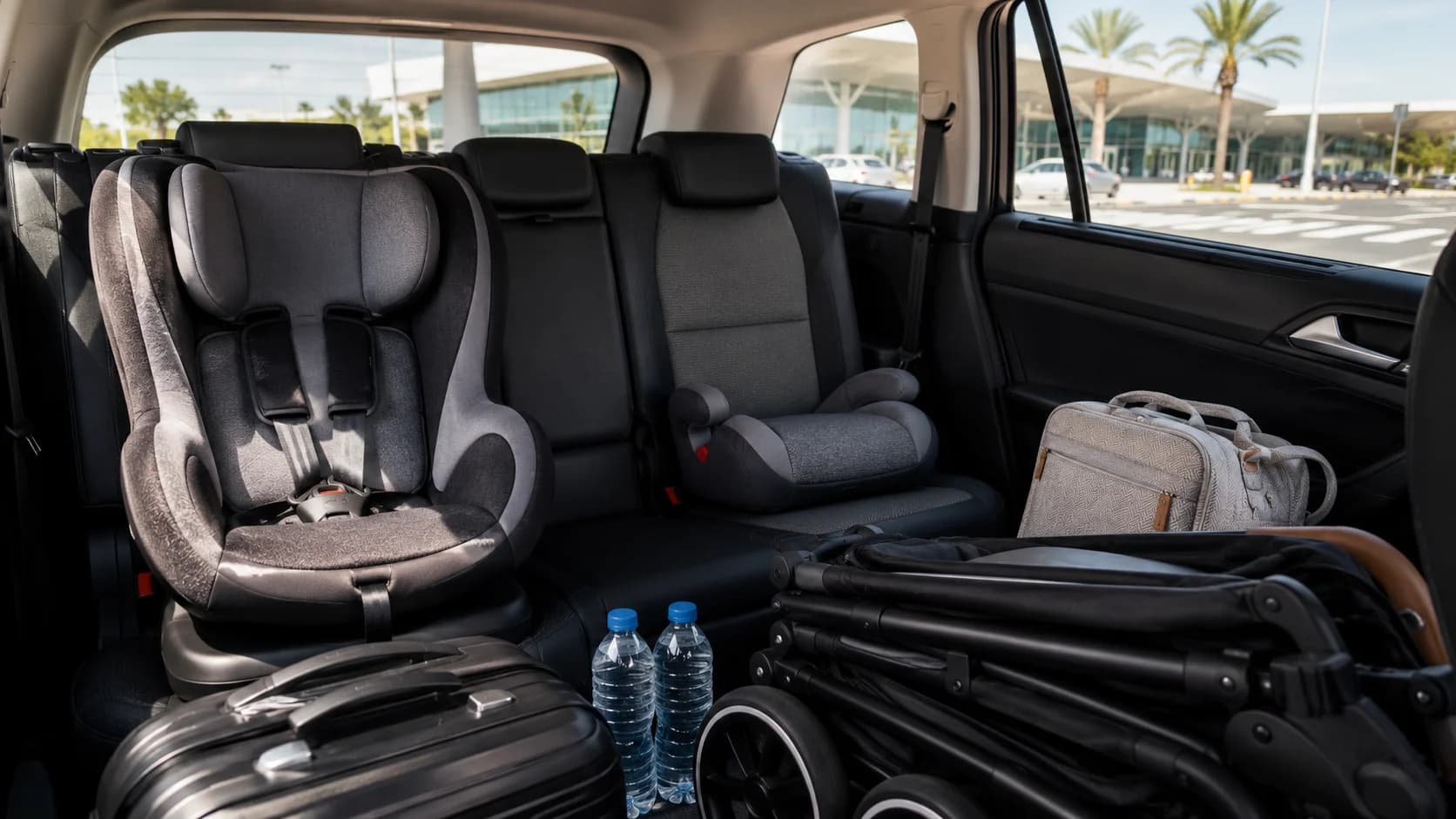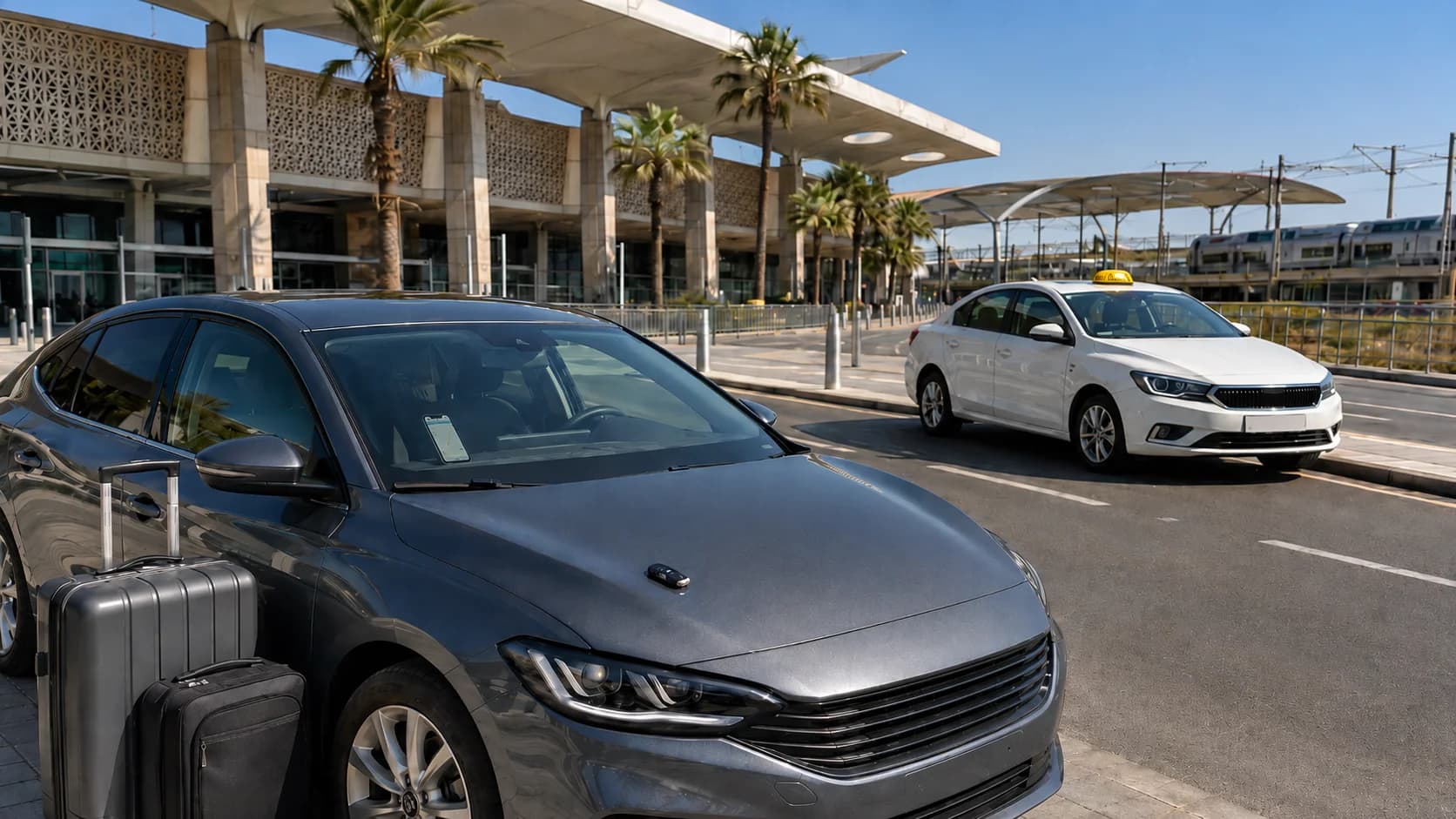









Driving in Casablanca for the first time can feel intimidating at first glance. Morocco’s largest city is busy, energetic, and constantly moving. Scooters weave through traffic, taxis stop suddenly, pedestrians cross unexpectedly, and roundabouts can seem chaotic compared with what many tourists are used to at home.
But the reality is simpler than many travelers expect.
Once you understand the local rhythm, driving in Casablanca becomes manageable, especially if you stay calm, drive defensively, and avoid rushing. Thousands of tourists rent cars in Casablanca every month to explore the city, visit nearby coastal towns, or begin longer road trips across Morocco.
This guide explains everything tourists should know before driving in Casablanca in 2026, including speed limits, road rules, local driving habits, parking, safety tips, and how to feel confident behind the wheel in Morocco’s busiest city.
Is It Safe to Drive in Casablanca? An Honest Overview
The short answer is yes, driving in Casablanca is generally safe for tourists, but it requires attention and patience.
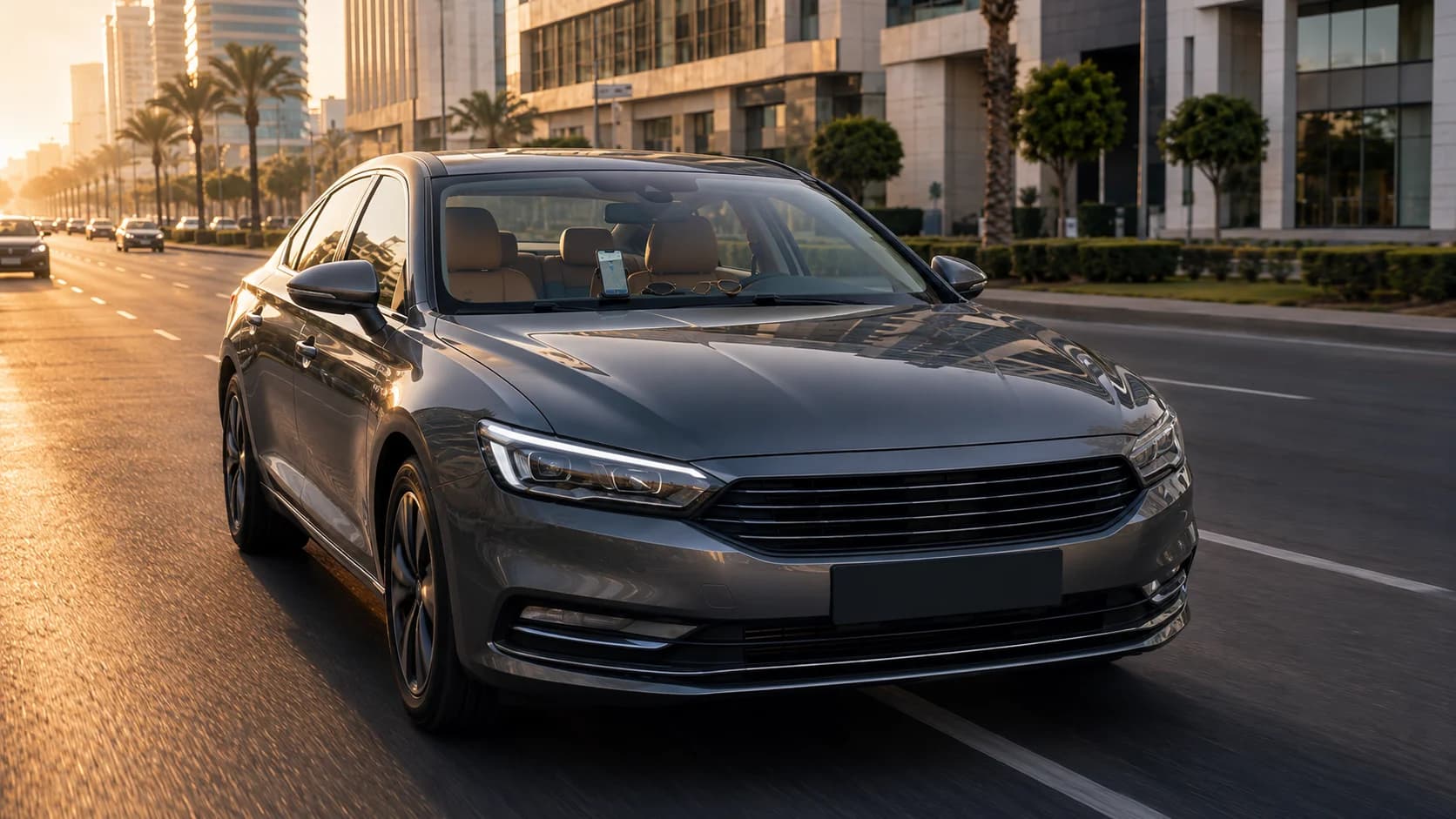
The city is not dangerous to drive in, but it is very active and fast-moving. Visitors who expect perfectly orderly European-style traffic may initially feel overwhelmed, especially in the downtown centre during peak hours.
What makes Casablanca challenging?
The biggest differences tourists notice are:
- Dense traffic
- Aggressive lane changes
- Frequent horn use
- Scooters filtering between cars
- Pedestrians crossing unexpectedly
- Complex roundabouts
However, most local drivers are experienced in navigating this environment and traffic usually flows through informal cooperation rather than strict lane discipline.
Is Casablanca harder than other Moroccan cities?
For many travelers:
- Casablanca is busier than Agadir or Rabat
- Less tourist-oriented than Marrakech
- Easier than some travelers expect once outside rush hour
The key is staying calm and avoiding sudden reactions.
Best advice for first-time visitors
If you are nervous about driving in Morocco, start with:
- Daytime driving only
- GPS navigation
- Short routes first
- Slower, defensive driving
Choosing a smaller vehicle also makes city driving easier. Travelers looking for an affordable option can explore affordable car rental in Casablanca before arrival.
Which Side of the Road and Basic Right-of-Way Rules in Casablanca
Morocco drives on the right-hand side of the road.
This means:
- The steering wheel is on the left side of the vehicle
- Overtaking happens on the left
- Roundabouts circulate counterclockwise
For travelers from continental Europe, the system usually feels familiar.
Important right-of-way rules
Basic traffic rules in Casablanca generally follow international standards:
- Red lights must always be obeyed
- Seat belts are mandatory
- Using a phone while driving is prohibited
- Priority signs apply at intersections
However, practical driving behavior can sometimes feel more flexible in busy traffic conditions.
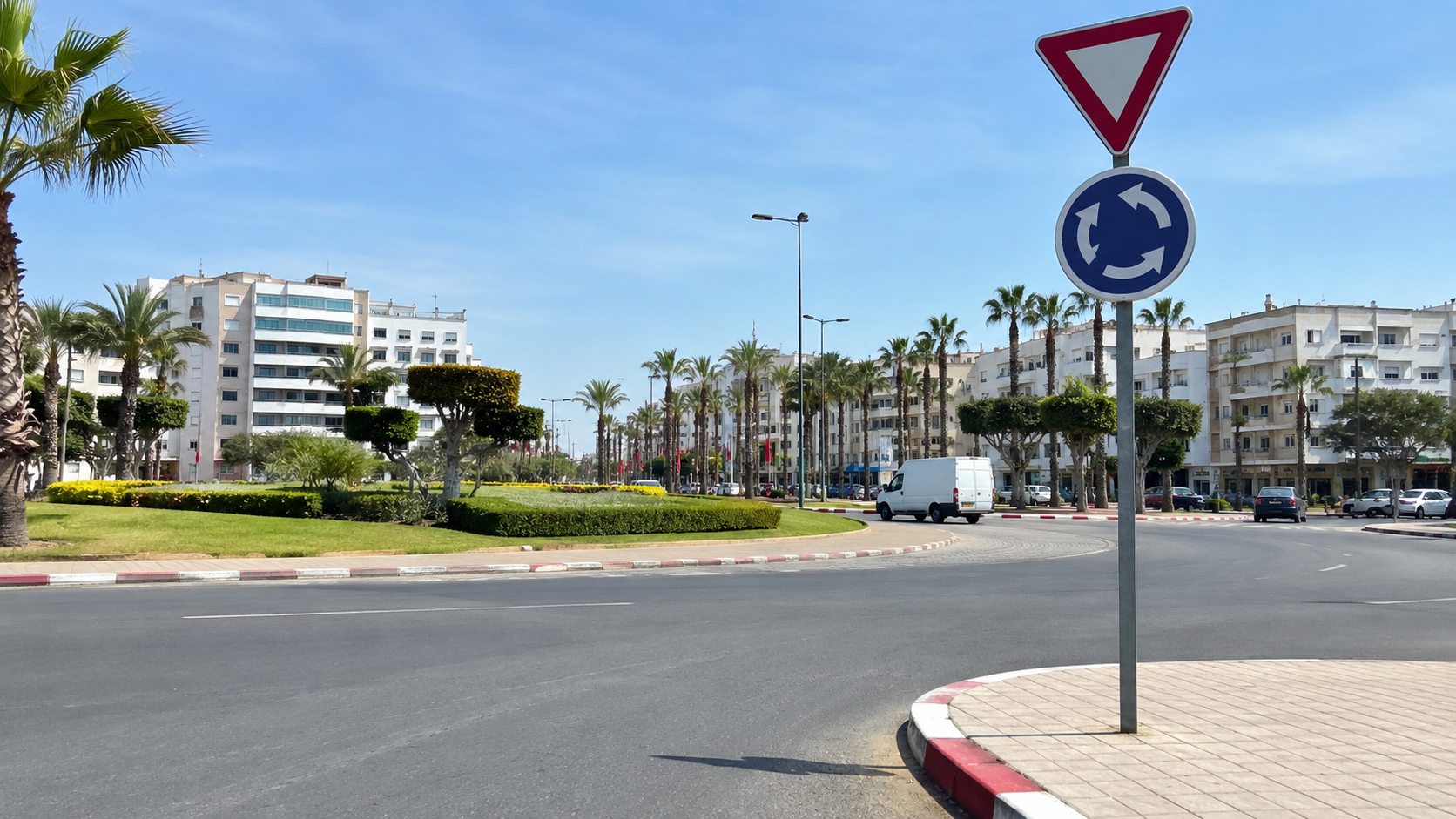
Roundabout priority
This confuses many tourists.
In modern Moroccan roundabouts, vehicles already inside the roundabout usually have priority. But older intersections may still operate differently.
The safest strategy is simple:
- Slow down before entering
- Observe local flow carefully
- Never assume other drivers will stop suddenly
Defensive driving matters more than insisting on priority.
Speed Limits in Casablanca and Where Police Controls Are Common
Speed limits in Morocco are strictly enforced in many areas, including Casablanca.
Standard Moroccan speed limits
In general:
| Road Type | Speed Limit |
|---|---|
| Urban areas | 60 km/h |
| Some city zones | 40–50 km/h |
| National roads | 80–100 km/h |
| Autoroutes | 120 km/h |
Casablanca-specific driving conditions
Even when limits allow higher speeds, actual traffic conditions often slow drivers considerably.
In downtown Casablanca, average speeds can be much lower because of:
- Congestion
- Traffic lights
- Taxis
- Pedestrian activity
Police controls and speed cameras
Speed enforcement is common around:
- Major boulevards
- City exits
- Ring roads
- Airport routes
- Autoroute entrances
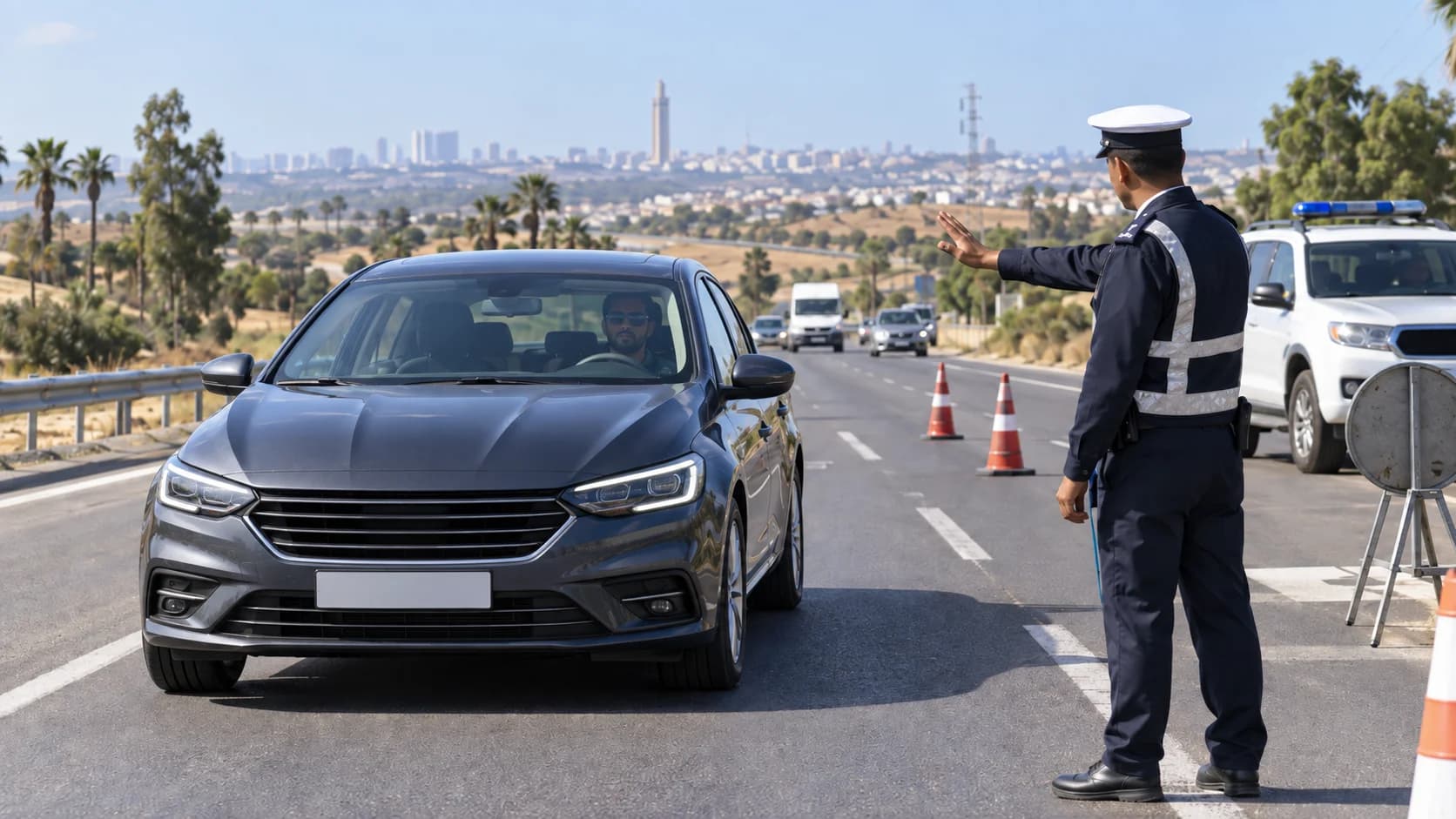
Police checkpoints are normal in Morocco and usually routine.
If stopped:
- Stay calm and polite
- Present requested documents
- Follow instructions respectfully
Tourists rarely experience serious problems when paperwork is valid.
Reading Moroccan Road Signs and Handling Casablanca Roundabouts
Most Moroccan road signs follow international conventions and are easy for tourists to understand.
Languages on road signs
Signs commonly appear in:
- Arabic
- French
In tourist areas and highways, many signs also include Latin characters.
Important signs tourists should recognize
Watch carefully for:
- Stop signs
- Speed limit changes
- Roundabout warnings
- Pedestrian crossings
- Directional signs toward autoroutes
GPS apps work well in Casablanca, but drivers should still pay attention to physical signage because lane changes can happen quickly.
Navigating roundabouts confidently
Roundabouts are one of the most stressful parts of driving in Casablanca for first-time visitors.
Key tips:
- Approach slowly
- Watch scooters carefully
- Signal early before exiting
- Avoid abrupt lane changes
- Expect assertive local driving
Most roundabouts become much easier after a few hours of driving experience in the city.
Driving in Downtown Casablanca vs Highways and Ring Roads
Driving conditions vary enormously depending on where you are in Casablanca.
Downtown Casablanca
Central districts are usually the busiest.
Drivers should expect:
- Heavy traffic
- Tight streets
- Double-parked vehicles
- Frequent stopping
- Limited parking
Peak traffic hours are typically:
- 7:30–10:00 AM
- 4:30–8:00 PM
During these times, traffic can become slow and unpredictable.
Ring roads and major boulevards
Outside the centre, roads become easier to navigate.
Major roads are generally:
- Wider
- Better marked
- Faster flowing
These routes connect efficiently toward:
- Ain Diab
- Mohammedia
- Rabat
- Marrakech
- Casablanca Airport
Autoroutes
Morocco’s toll highways are among the easiest roads in the country to drive.
They are generally:
- Modern
- Well maintained
- Clearly signposted
Keep small cash available for toll payments.
Night Driving, Pedestrians, Scooters, Taxis, and Carts
Night driving in Casablanca requires additional caution.
Why night driving feels different
Visibility becomes more challenging because of:
- Busy traffic
- Fast scooters
- Pedestrians crossing unexpectedly
- Variable lighting in some districts
Scooters and motorcycles
Scooters are extremely common in Casablanca traffic.
Tourists should:
- Check mirrors constantly
- Avoid sudden lane changes
- Leave extra space at intersections
Scooters may pass closely on either side of the vehicle.
Petit taxis
Casablanca’s small red taxis stop frequently and sometimes suddenly.
Always anticipate:
- Unexpected braking
- Quick lane changes
- Passenger pickups
Pedestrians and carts
In some neighborhoods, drivers may also encounter:
- Street vendors
- Hand carts
- Pedestrians crossing outside marked areas
Driving defensively is essential, especially after dark.
If you plan extensive city driving, smaller vehicles are usually easier to maneuver. Travelers can compare compact hatchbacks for city driving before booking.
What to Do After a Minor Accident or Breakdown in Casablanca
Minor traffic incidents can happen in any large city, including Casablanca.
If you have a small accident
Stay calm and avoid confrontation.
Basic steps include:
- Move to a safe area if possible
- Turn on hazard lights
- Exchange information
- Contact your rental provider
- Photograph vehicle damage
Police involvement
For serious accidents or disputes, police should be contacted.
Tourists should never leave the scene of an accident before resolving the situation properly.
If the car breaks down
Most professional rental companies provide roadside assistance.
This is one reason travelers should choose reputable providers with local support rather than selecting solely based on price.
MarHire Car Casablanca provides WhatsApp assistance and local support for travelers needing help during their trip.

Documents to Keep in the Car at All Times
When driving in Casablanca, drivers should always carry essential documents.
Important documents include
- Passport
- Driving licence
- Rental agreement
- Insurance papers
- Vehicle registration documents
Police checkpoints are common throughout Morocco, especially near highways and major intersections.
Are checkpoints dangerous?
No. They are usually routine and quick.
Officers may simply:
- Verify paperwork
- Check identification
- Ask basic questions
Tourists with valid documents generally experience no issues.
Casablanca Driving Etiquette: Horns, Flashing Lights, and Local Habits
Driving culture in Casablanca can initially seem aggressive to visitors, but much of it is simply communication.
Horn use
Drivers use horns frequently to:
- Signal presence
- Warn other drivers
- Communicate intentions
A horn is not always an expression of anger.
Flashing headlights
Flashing lights may indicate:
- “I am coming through”
- “Be careful”
- “You may proceed”
Interpretation depends heavily on context.
Lane discipline
Traffic lanes exist, but drivers may use available road space flexibly during congestion.
Tourists should focus on:
- Predictability
- Smooth driving
- Patience
Trying to “win” space aggressively usually creates more stress.
First-Timer Confidence Tips (And Choosing the Right Car)
The easiest way to enjoy driving in Casablanca is to simplify the experience.
Tips for nervous first-time drivers
- Avoid peak rush hour initially
- Use Google Maps or Waze
- Stay patient in traffic
- Keep extra following distance
- Ignore impatient drivers behind you
- Plan parking in advance
Should tourists rent a small car or SUV?
For city-only driving, smaller vehicles are often best because they are:
- Easier to park
- Simpler in traffic
- More fuel efficient
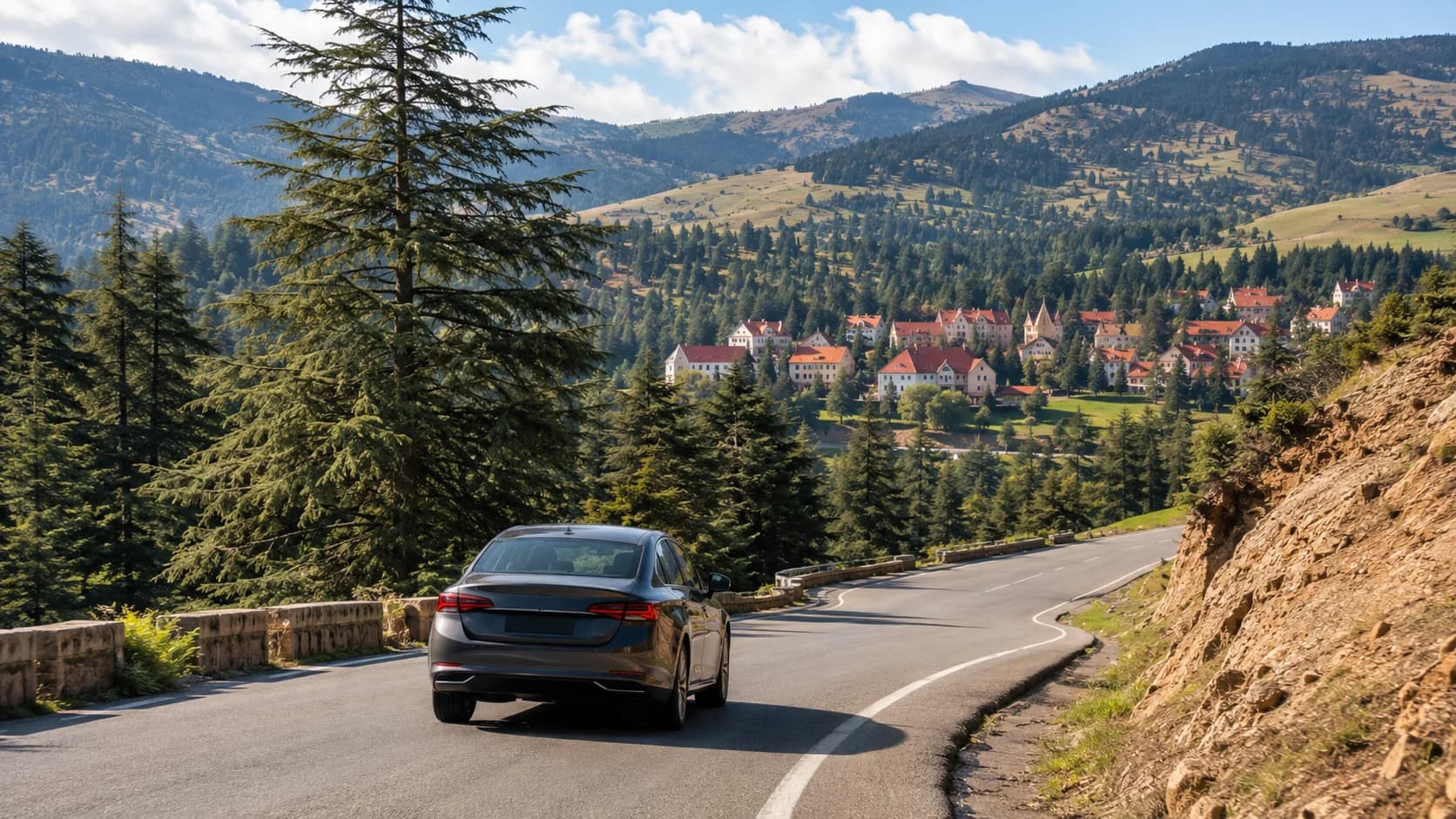
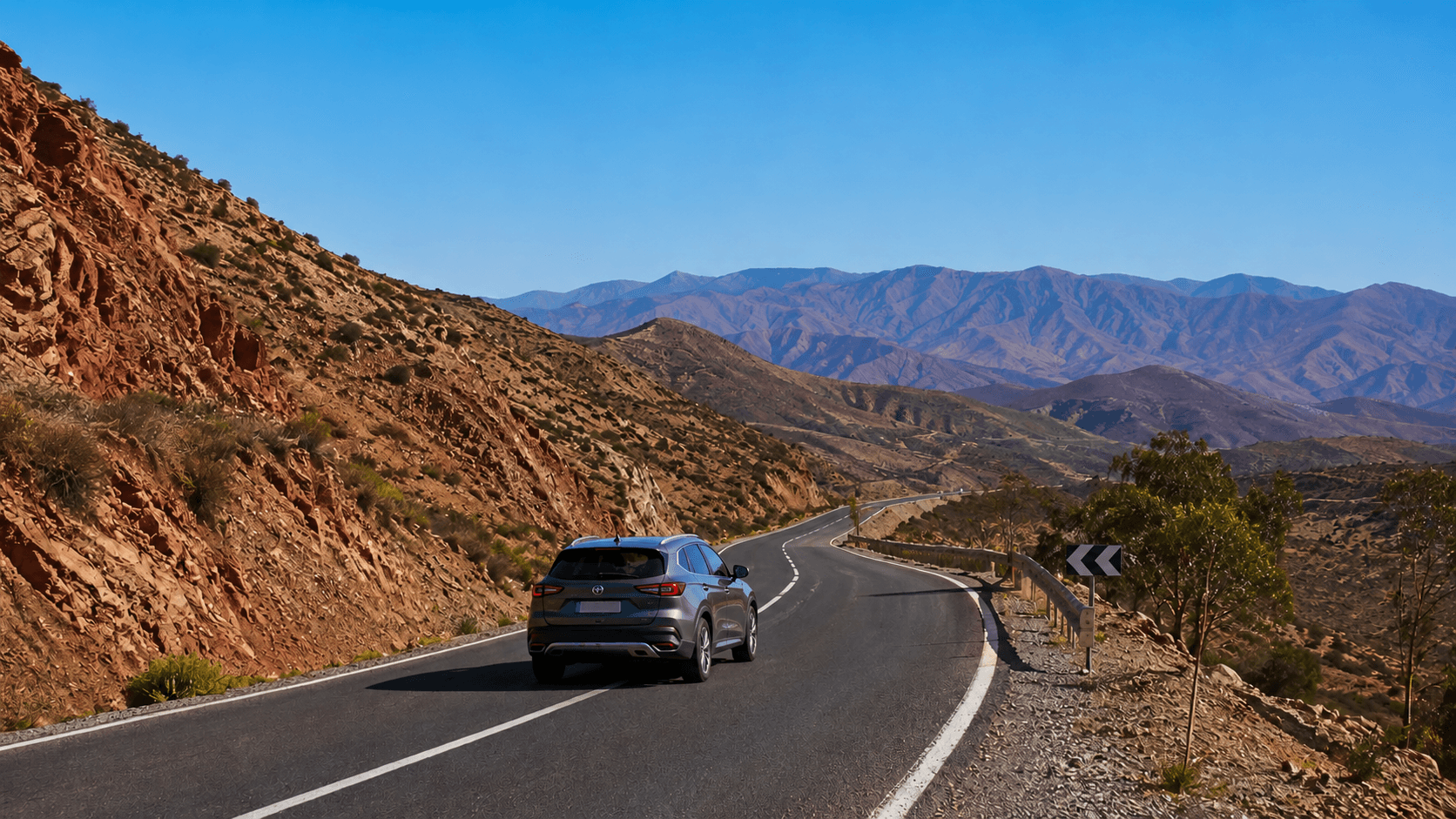
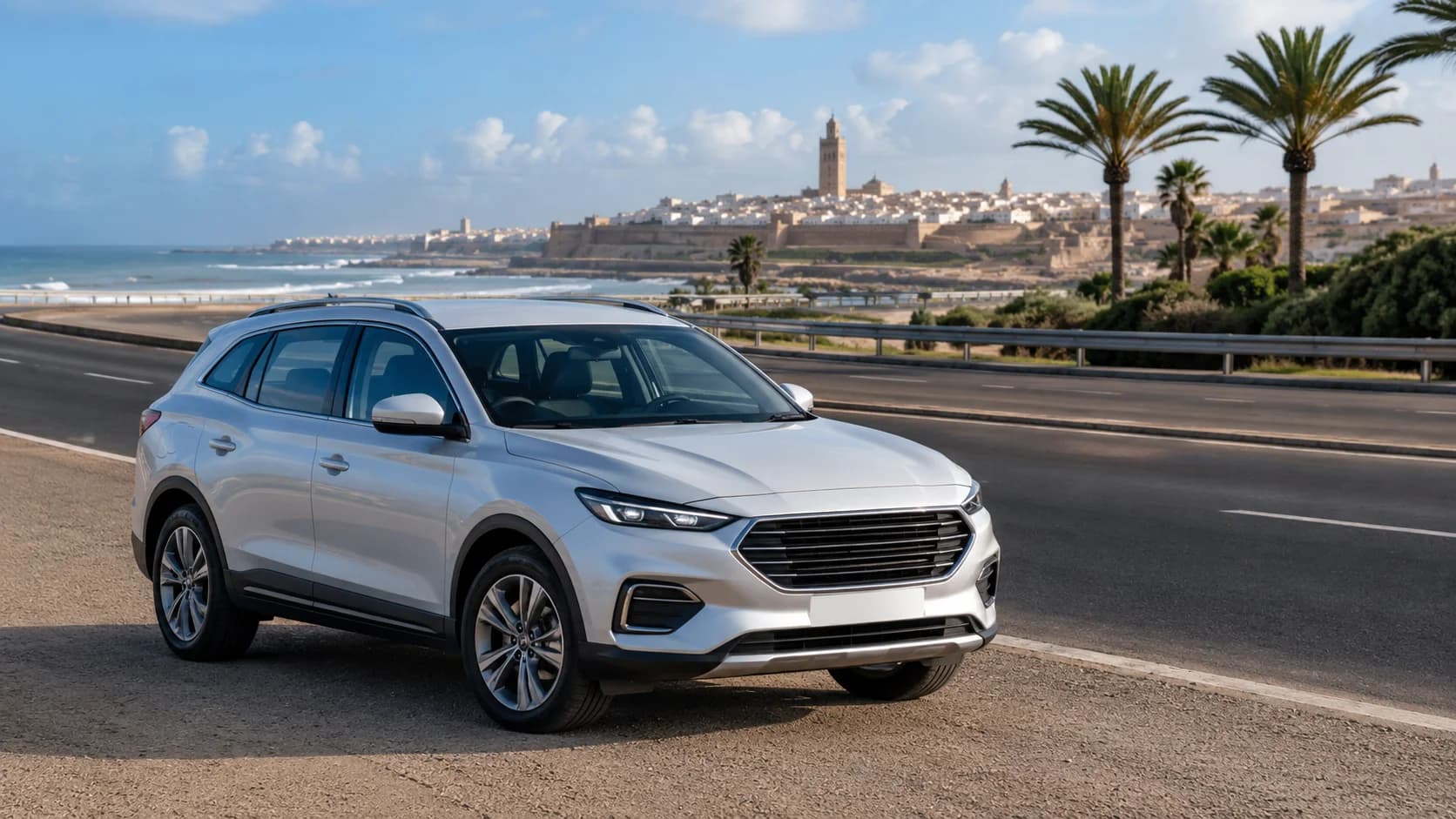
For travelers combining Casablanca with mountains, villages, or long road trips, an SUV may offer more comfort and luggage space.
Travelers planning mixed-city and countryside driving can compare available options for SUV rental for mixed terrain before arrival.
Automatic vs manual transmission
Manual cars remain common in Morocco, but many tourists prefer automatic transmission for city traffic.
Booking automatics early is strongly recommended because availability is more limited.
FAQ: Driving in Casablanca
Is driving in Casablanca safe for tourists?
Yes. Casablanca is generally safe for tourists who drive carefully, remain patient, and stay alert in busy traffic areas.
Which side of the road does Casablanca drive on?
Morocco drives on the right-hand side of the road.
What are the speed limits in Casablanca?
Urban speed limits are usually 60 km/h, with lower limits in some busy districts and higher limits on highways.
Do drivers in Casablanca follow traffic rules strictly?
Traffic rules exist and are enforced, but local driving style can feel more flexible and dynamic compared with many European cities.
Is it difficult to drive in downtown Casablanca?
Downtown Casablanca can feel busy for first-time visitors, especially during rush hour, but most tourists adapt quickly after some practice.
What should I do if I have a minor accident in Casablanca?
Stay calm, exchange information, photograph the situation, and contact your rental company immediately for assistance.
Are police checkpoints common in Casablanca?
Yes. Routine checkpoints are normal throughout Morocco and usually quick when documents are valid.
Is parking difficult in Casablanca?
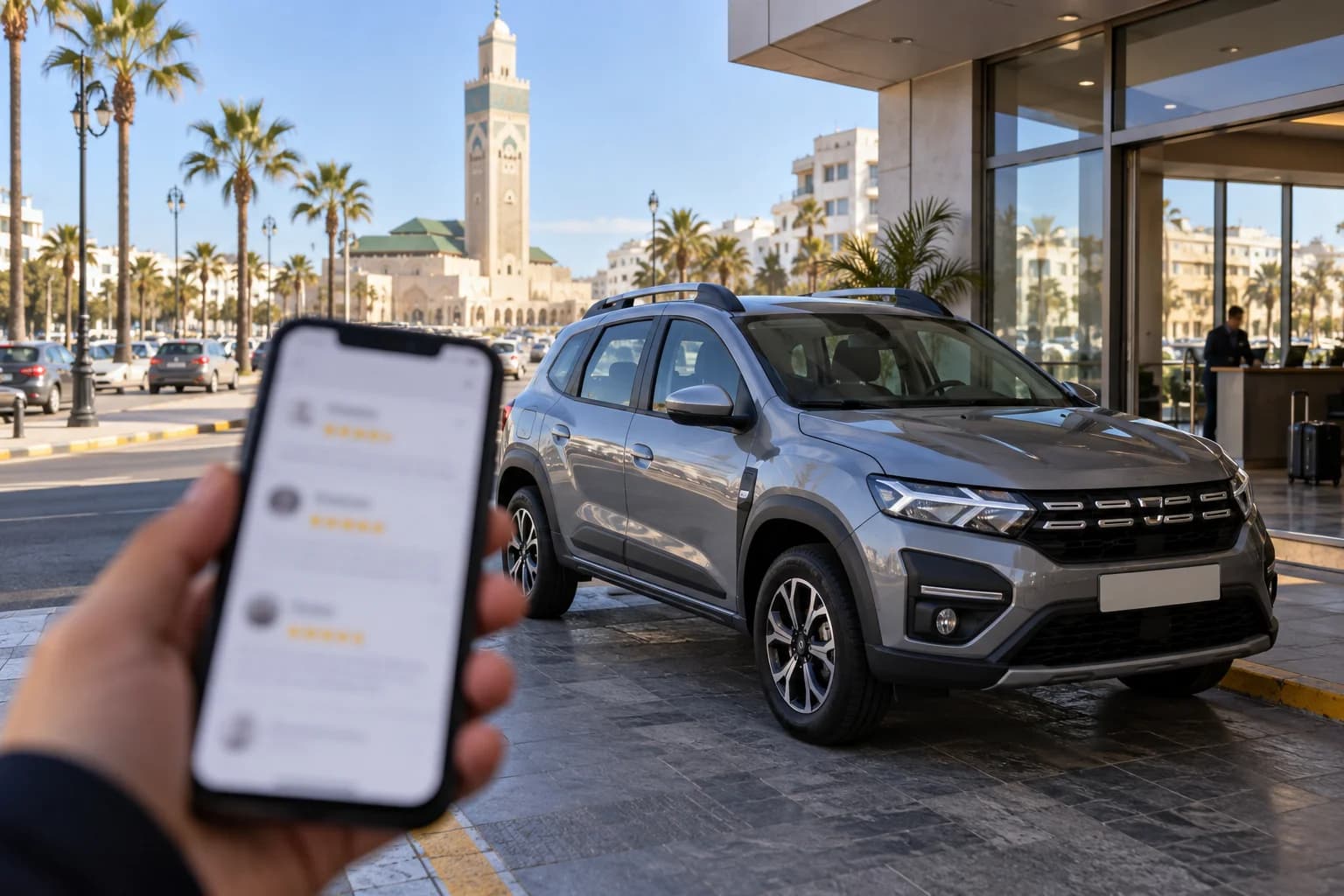
Parking can be challenging in busy central areas, especially during peak hours. Hotels and guarded parking lots are often the easiest solution.
Final Thoughts
Driving in Casablanca is less about perfection and more about confidence, patience, and awareness. The city moves quickly, but once travelers understand the local rhythm, driving becomes far more comfortable than many initially expect.
Choosing the right vehicle also makes a major difference. Smaller, modern cars are usually ideal for urban driving, while SUVs work well for travelers continuing toward Morocco’s mountains, coastlines, or desert regions.
Want a car that’s easy to handle in Casablanca traffic? MarHire Car Casablanca offers new, well-maintained models with full insurance included and 24/7 WhatsApp support if you ever need help on the road.