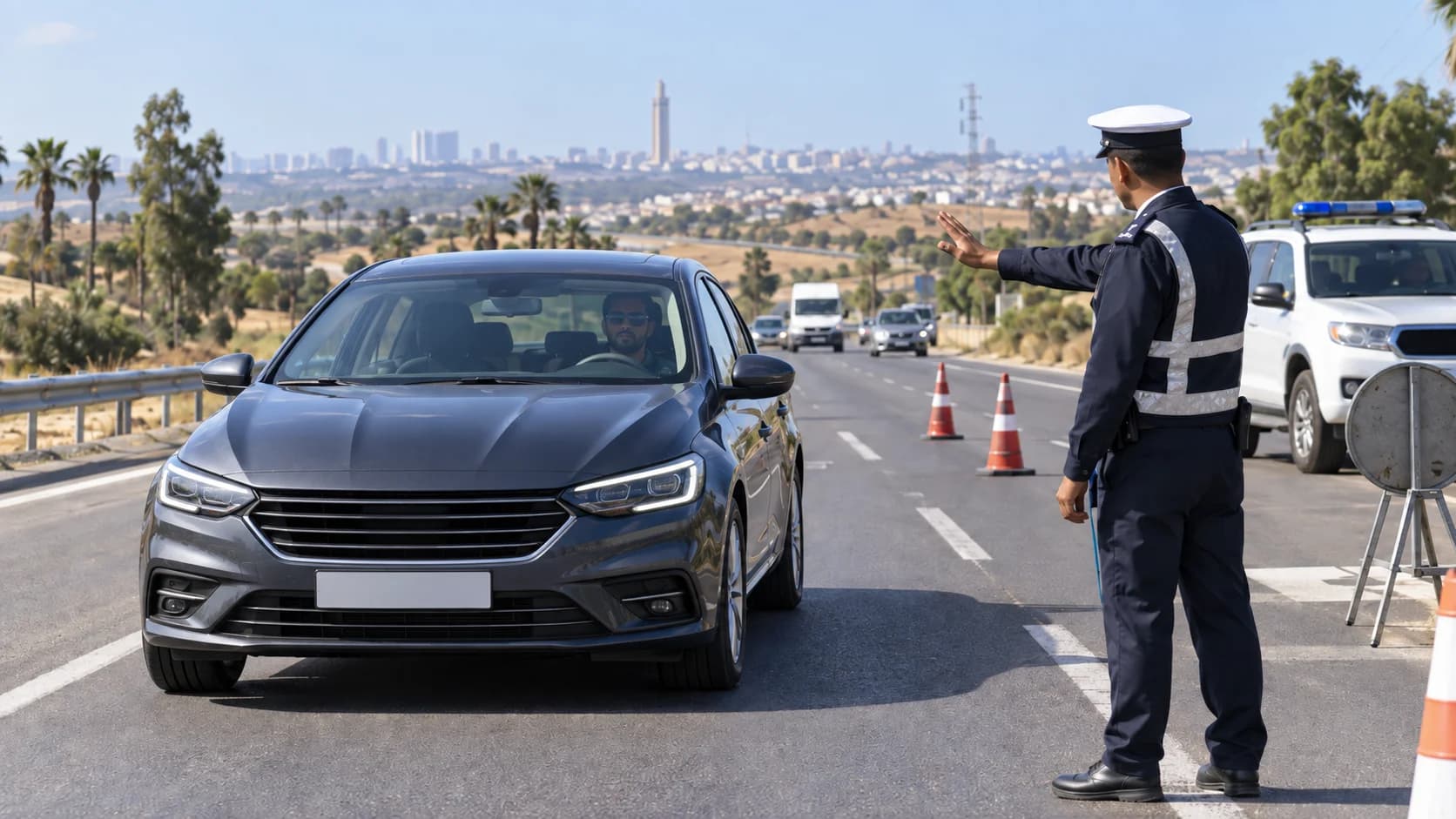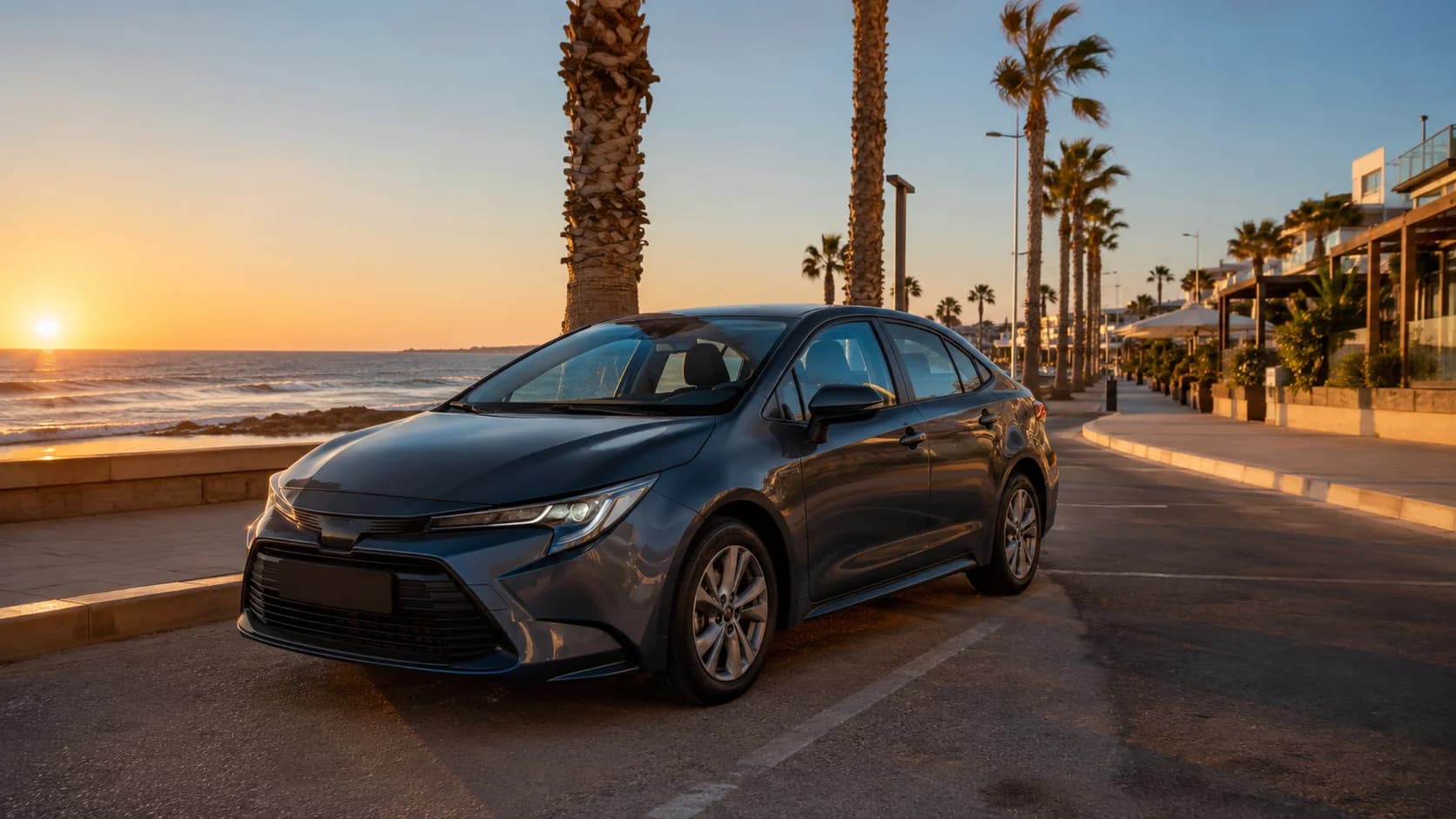









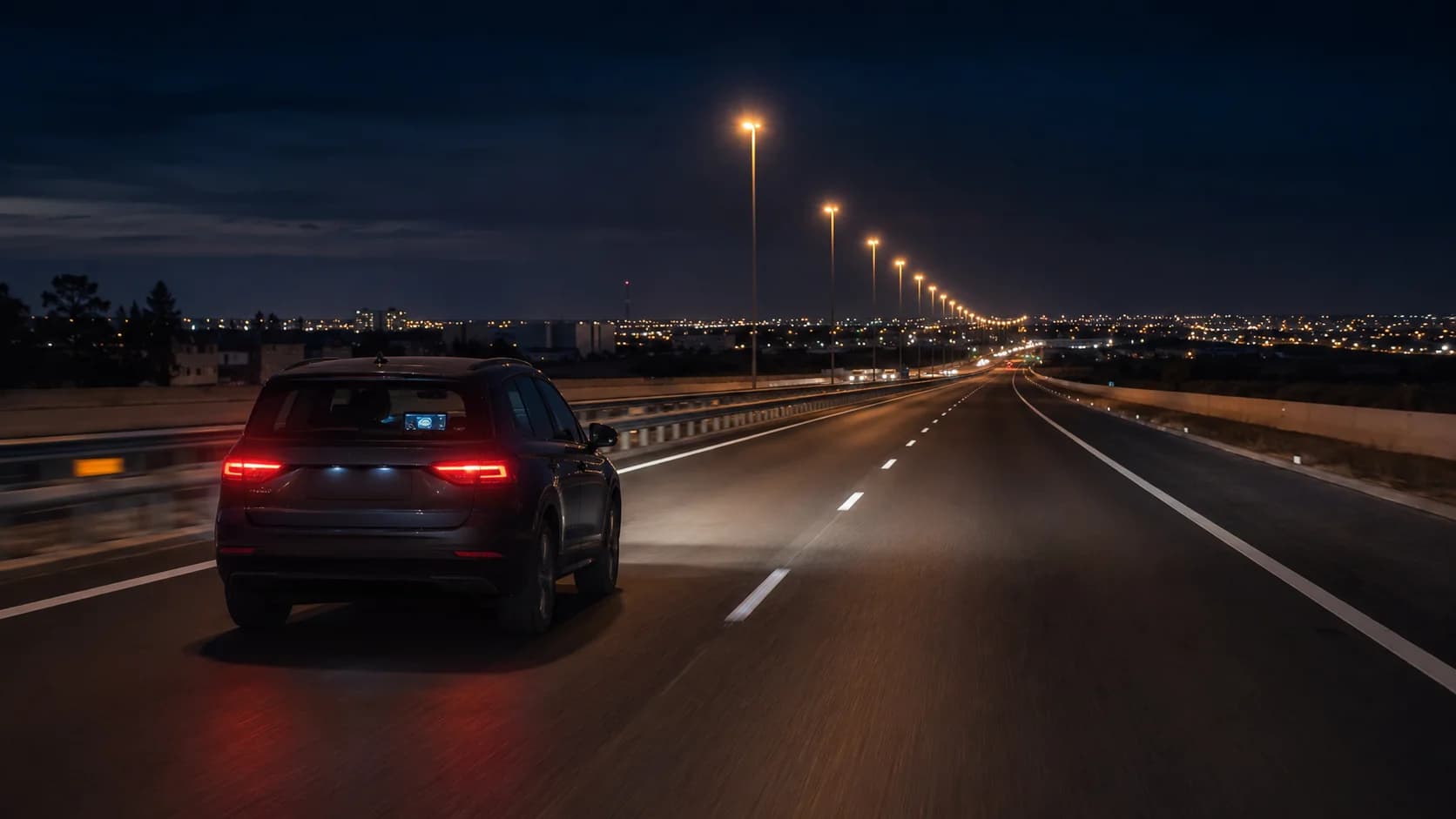
Night driving in Morocco can be safe when the route, car and timing are chosen carefully. From Casablanca, the smartest option after dark is usually to stay on major motorways such as the A1 and the Casablanca to Marrakech/Agadir motorway corridor, often searched by travellers as the A7, although ADM officially lists this corridor as A3. National roads like the coastal N1 can be useful in daylight, but they require more caution at night because lighting, pedestrians, animals and slow vehicles can be harder to spot.
Morocco’s road safety situation deserves a serious approach. NARSA’s provisional 2025 figures recorded 160,347 injury accidents and 4,577 road deaths, with increases compared with 2024, which is why night driving in Morocco should be treated as a planned journey, not a casual decision.
Table of Contents
-
Is night driving safe in Morocco?
-
Motorways vs national roads after dark
-
The main hazards at night
-
Lighting, visibility and your headlights
-
Animals and pedestrians on rural roads
-
Fatigue and timing your departure
-
When to wait until morning
-
The right car for night highway driving
-
FAQs
Is night driving safe in Morocco?
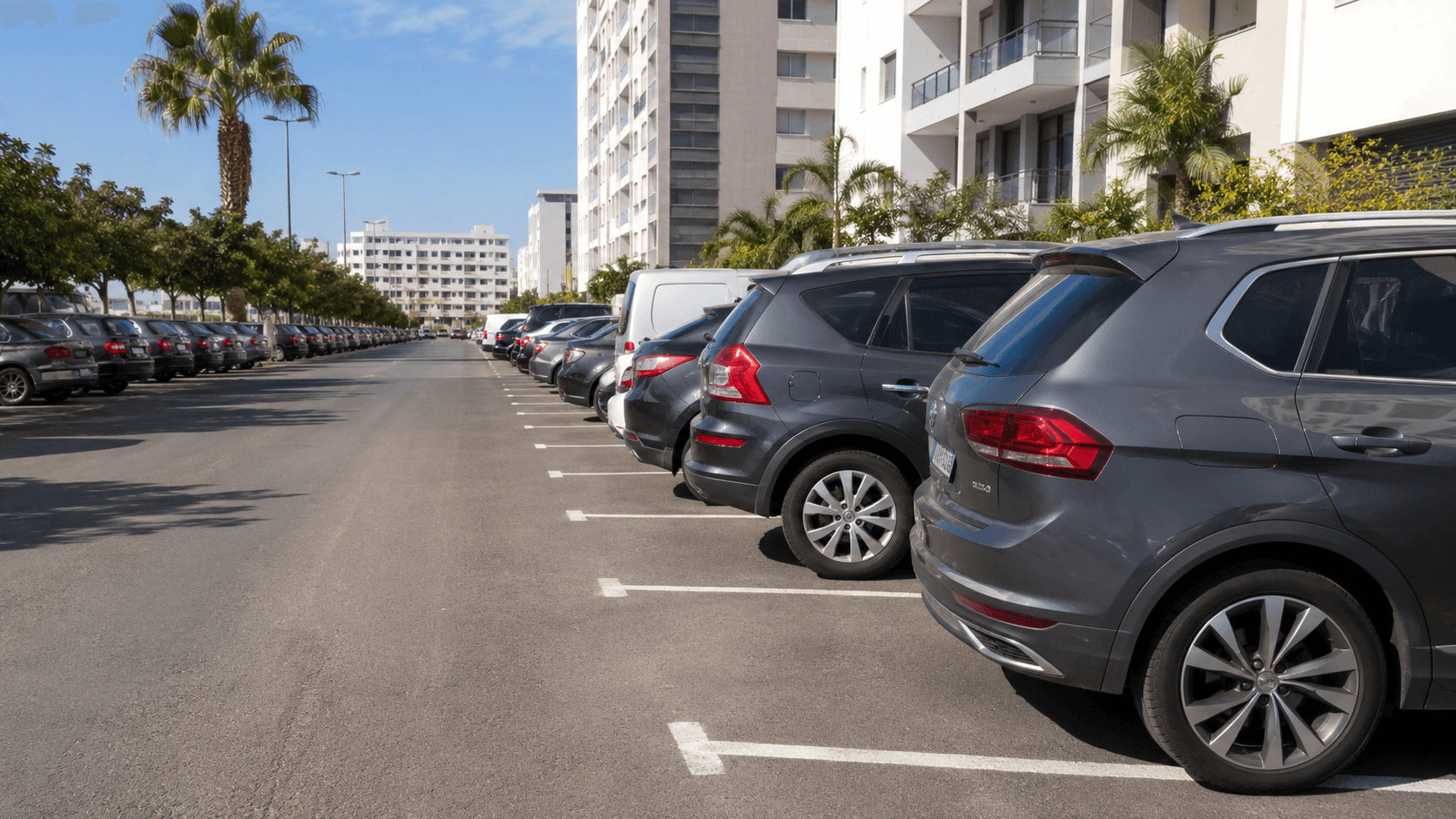
The honest answer is yes, but only on the right roads and with the right habits. Driving Casablanca at night is very different from driving a quiet rural road after dark. Inside the city, you need patience, awareness at junctions and extra attention around taxis, delivery bikes and pedestrians. Once you leave Casablanca, the biggest safety difference is between motorways and national roads.
For most visitors, night driving in Morocco is safest when you use toll motorways, reduce your speed, avoid distractions and stop before fatigue becomes a problem. It is not the best time to explore small rural roads, mountain routes or unknown coastal detours. Those routes are better in daylight when you can read bends, shoulders, animals, road edges and local traffic more easily.
If your plan is simple, such as Casablanca to Marrakech on the motorway, Casablanca to Rabat on the A1, or Casablanca to a nearby hotel zone, night driving can be manageable. If your plan involves rural villages, long coastal stretches, unlit roads or a late arrival after a flight, waiting until morning is often the safer choice.
Motorways vs national roads after dark
Moroccan motorways are generally easier to manage at night because they are divided roads with clearer lanes, controlled access, service areas and more predictable traffic flow. ADM lists the A1 as the Rabat to Safi motorway, including the Rabat to Casablanca section and the Casablanca bypass, while the Casablanca to Agadir motorway is officially listed as A3, including Casablanca, Settat, Marrakech and Agadir.
This matters because many travellers search for “A7 motorway night” or use older online wording for the Casablanca to Marrakech route. In practical travel terms, the advice is the same: if you are leaving Casablanca after dark toward Marrakech, Agadir, Rabat, El Jadida or the coast, choose the motorway where available instead of smaller roads.
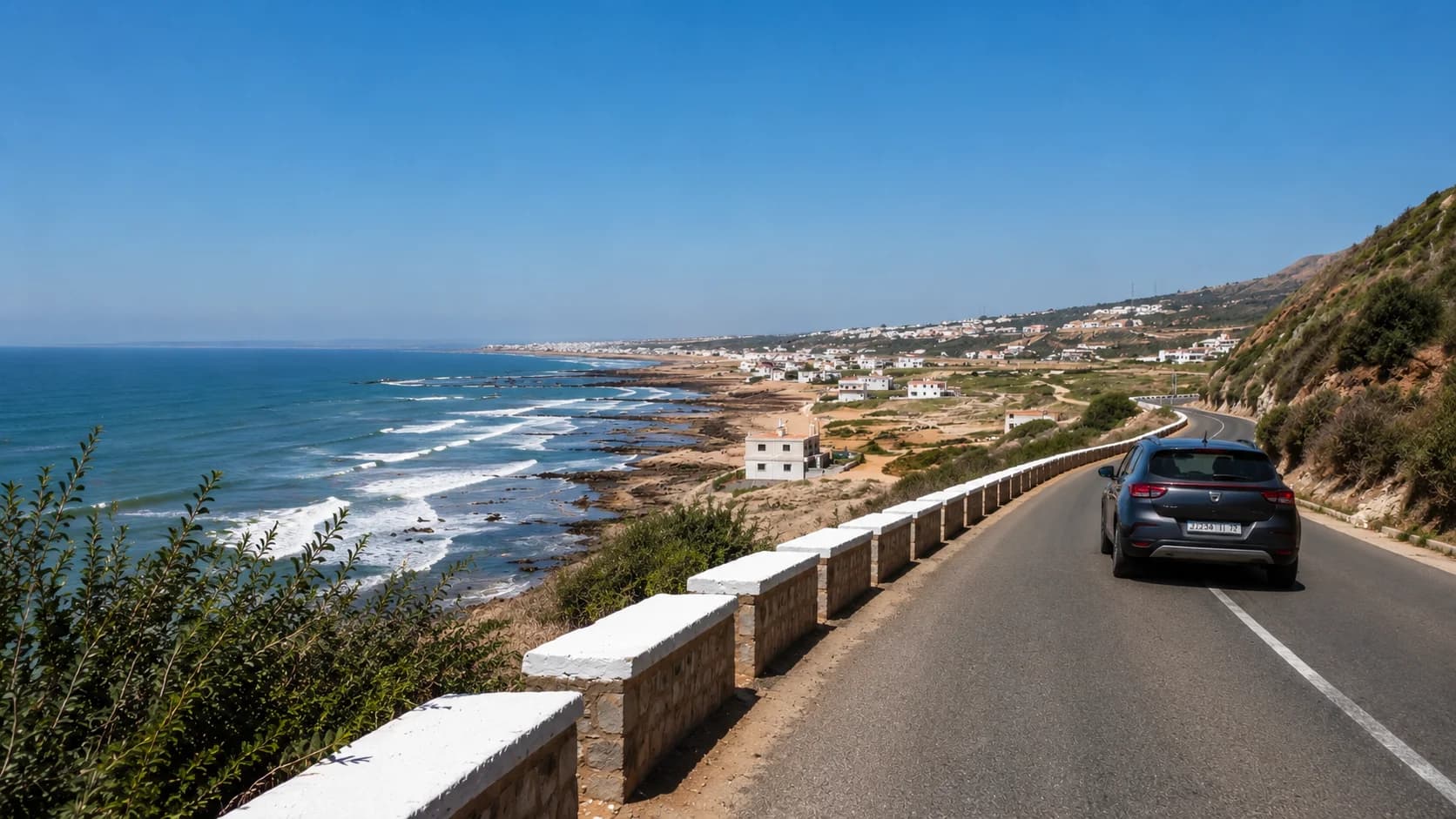
National roads such as the N1 can be scenic and useful, especially along coastal sections, but they are not as forgiving at night. You may find slower vehicles, pedestrians near villages, animals crossing, trucks pulling out, sections with weak road lighting and more direct access from side roads. The N1 can be fine for experienced drivers in good conditions, but for a visitor arriving tired or unfamiliar with Moroccan driving patterns, the motorway is the calmer option after dark.
The main hazards at night
The biggest dangers of driving in Morocco at night are not dramatic if you prepare for them, but they are real. The first is visibility. A hazard that is easy to understand in daylight can appear much later at night, especially if road markings are worn, if an oncoming car uses strong beams, or if there is dust, rain or glare.
The second hazard is speed difference. On some roads, you may meet slow trucks, mopeds, cyclists, carts, parked vehicles or cars entering from side roads. At night, the problem is not only the object itself. It is how late you may notice it.
The third hazard is fatigue. Many travellers leave Casablanca after a flight, after work, or after a long day in the city. A two or three hour motorway drive can feel simple on paper, but after dark your reaction time and concentration can drop quickly. ADM’s traffic platform is useful for planning motorway travel because it provides real-time traffic, route preparation, alerts, toll information and assistance details.
The fourth hazard is overconfidence. A modern rental car, good GPS and a wide road help, but they do not replace local awareness. Keep more space than usual, avoid sudden overtakes and do not treat a quiet road as an invitation to drive faster.
Lighting, visibility and your headlights
Your headlights are your main safety tool after dark. Before leaving Casablanca, check that dipped beams, full beams, brake lights, indicators and hazard lights are working. Clean the windshield, mirrors and headlight covers too. Dust, fingerprints and city grime can create glare at night, especially under streetlights or when another vehicle approaches.
Use dipped beams in traffic, when following another vehicle and when approaching oncoming cars. Use full beams only when the road is dark, open and clear of oncoming traffic, then switch back early so you do not blind other drivers. On rural or coastal roads, full beams can help you spot animals, road edges or pedestrians sooner, but they must be used with discipline.
Inside Casablanca and on busy motorway sections, avoid driving with full beams. The goal is to see clearly without creating danger for others. Also avoid relying only on GPS. A navigation app can guide the route, but your eyes should read the road first.
Animals and pedestrians on rural roads
Animals are one of the main reasons visitors should be cautious with national roads after dark. On rural sections, you may meet dogs, donkeys, sheep, goats or other animals near the road edge. In daylight, you normally see them early. At night, they may only appear when your headlights catch them.
Pedestrians are another serious point. NARSA’s 2025 provisional data shows pedestrians represented 25.9% of road deaths, while users of two and three wheeled motorized vehicles represented 45.0%. That makes extra caution around villages, road shoulders and urban exits important, especially at night.
On the coastal N1, slow down before built-up areas, cafés, fuel stations, bus stops and roadside shops. These are places where people may cross unexpectedly or where cars may stop with limited lighting. Keep your lane position steady, avoid aggressive overtaking and do not drive close to the shoulder unless necessary.
Fatigue and timing your departure
A safe night drive often depends on timing. Leaving Casablanca at 7:30 pm after dinner, with a rested driver and a clear motorway route, is very different from leaving at midnight after a delayed flight. The later it gets, the more fatigue matters.
Plan your departure before you are tired. Drink water, eat lightly and avoid starting a long drive after a heavy meal. For longer motorway journeys, stop at a service area before you feel sleepy. Do not wait until your eyes are heavy. If you miss exits, drift in the lane, react late, yawn repeatedly or feel irritated by normal traffic, stop.
For Casablanca to Marrakech, the motorway is the best option at night for most drivers, but it is still a real intercity drive. For Casablanca to Rabat, the A1 is shorter and more manageable, but traffic around exits and city approaches still requires attention. For Casablanca toward coastal towns using the N1, consider whether the final section is lit, familiar and easy to navigate.
When to wait until morning
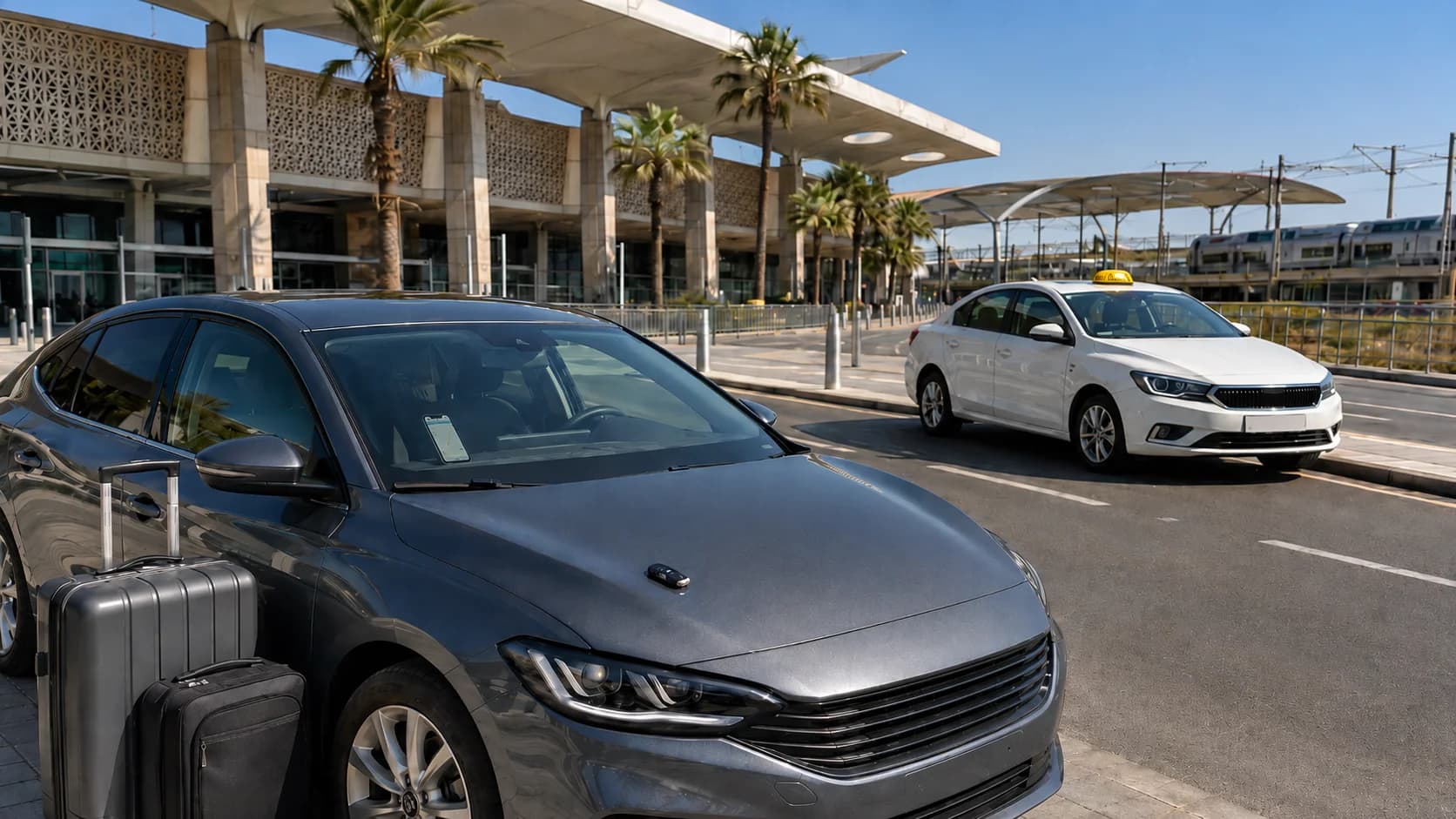
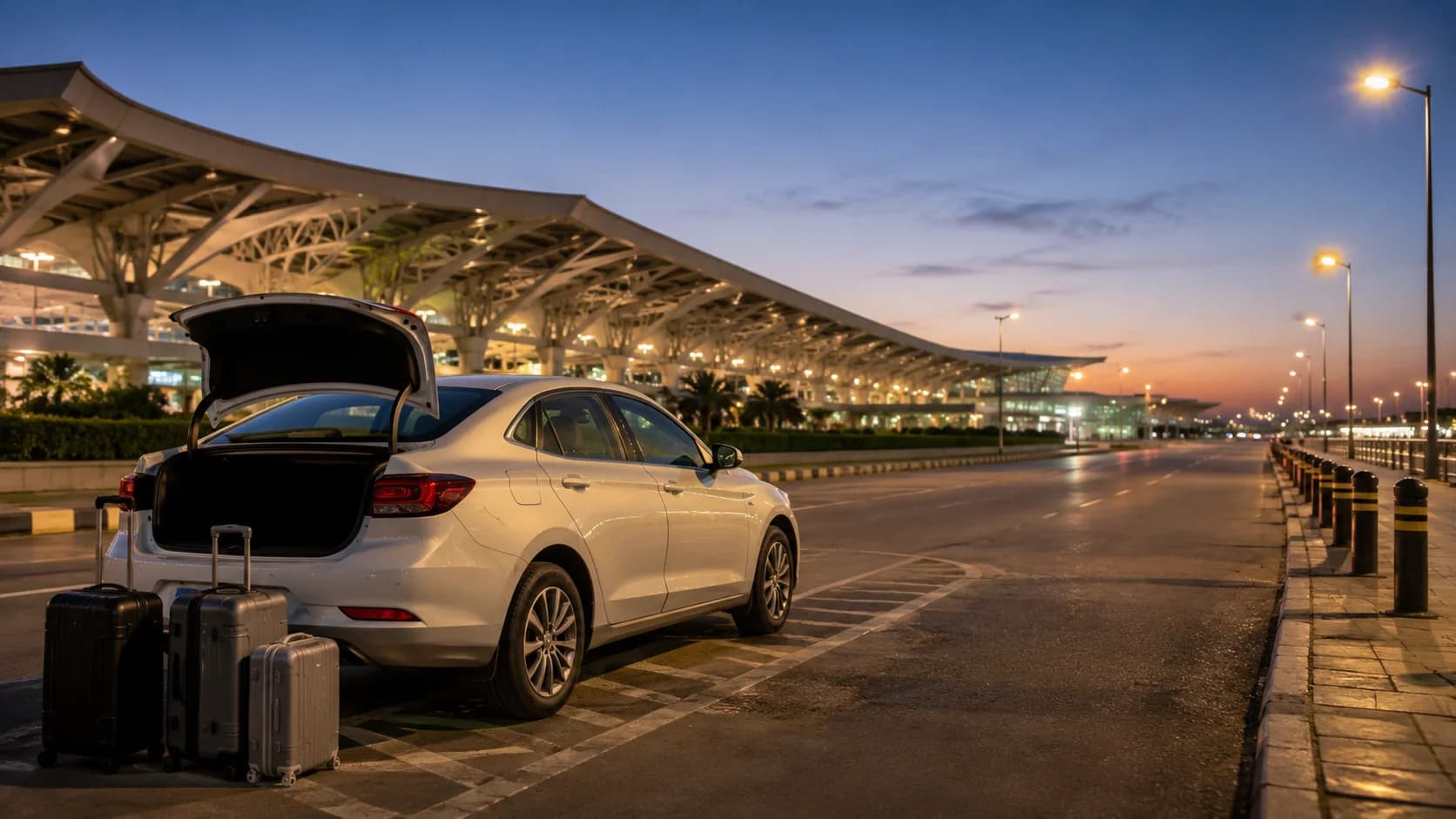
You should wait until morning if you are exhausted, unfamiliar with the route, driving through rural areas, heading into the mountains, dealing with bad weather, or arriving after a long international flight. Waiting is also smarter if the route includes narrow roads, poor lighting, unknown parking, or hotel access through complicated streets.
Morning driving gives you better visibility, easier navigation, more open services and a calmer arrival. It also makes the journey more enjoyable. This is especially true for visitors going from Casablanca toward scenic coastal routes, small towns, mountain roads or countryside accommodation.
Night driving is not about proving confidence. It is about choosing the safest plan for the situation. If the route is simple and motorway-based, after-dark driving can work. If the route is rural, long or uncertain, daylight is the better choice.
The right car for night highway driving
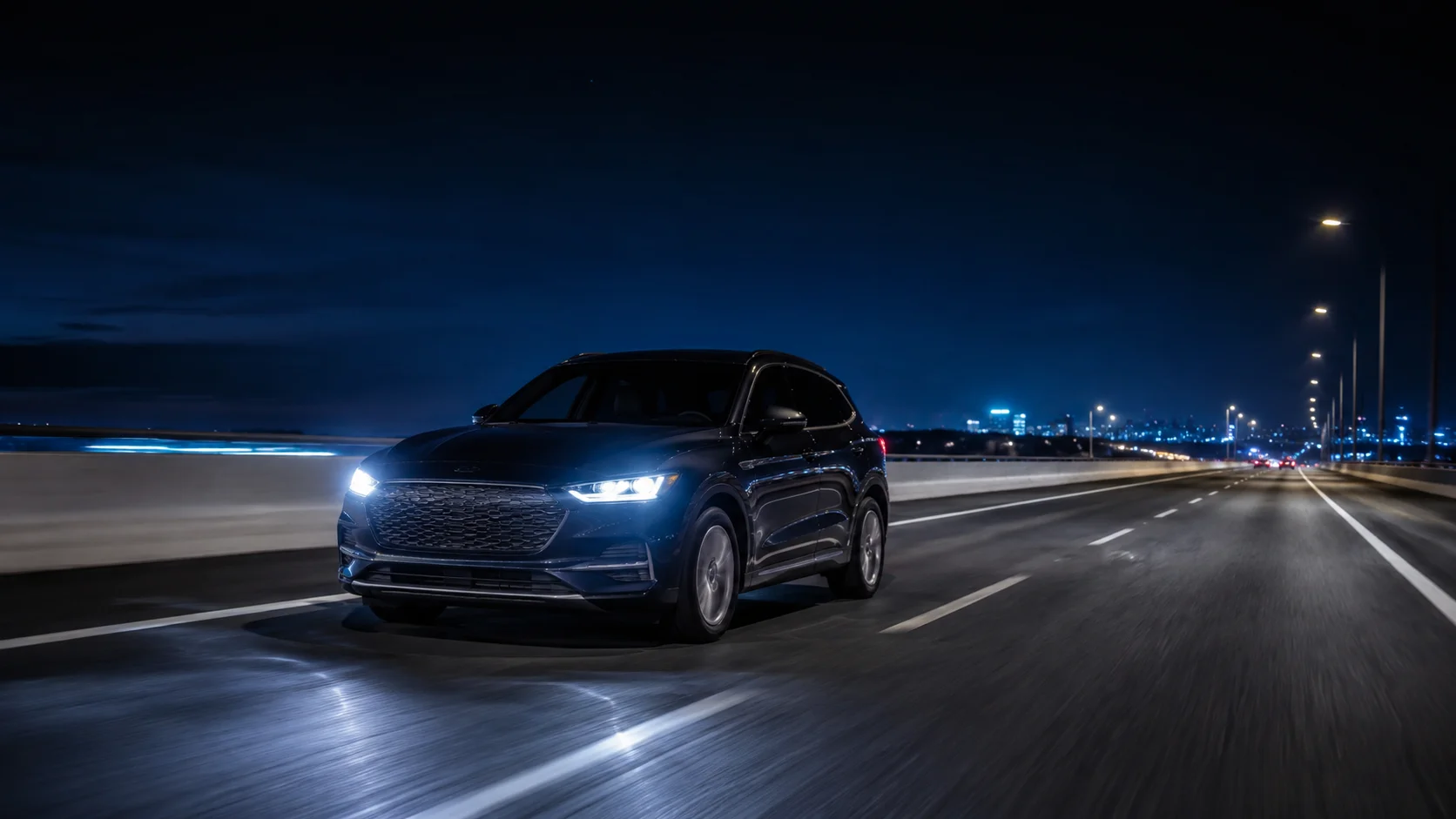
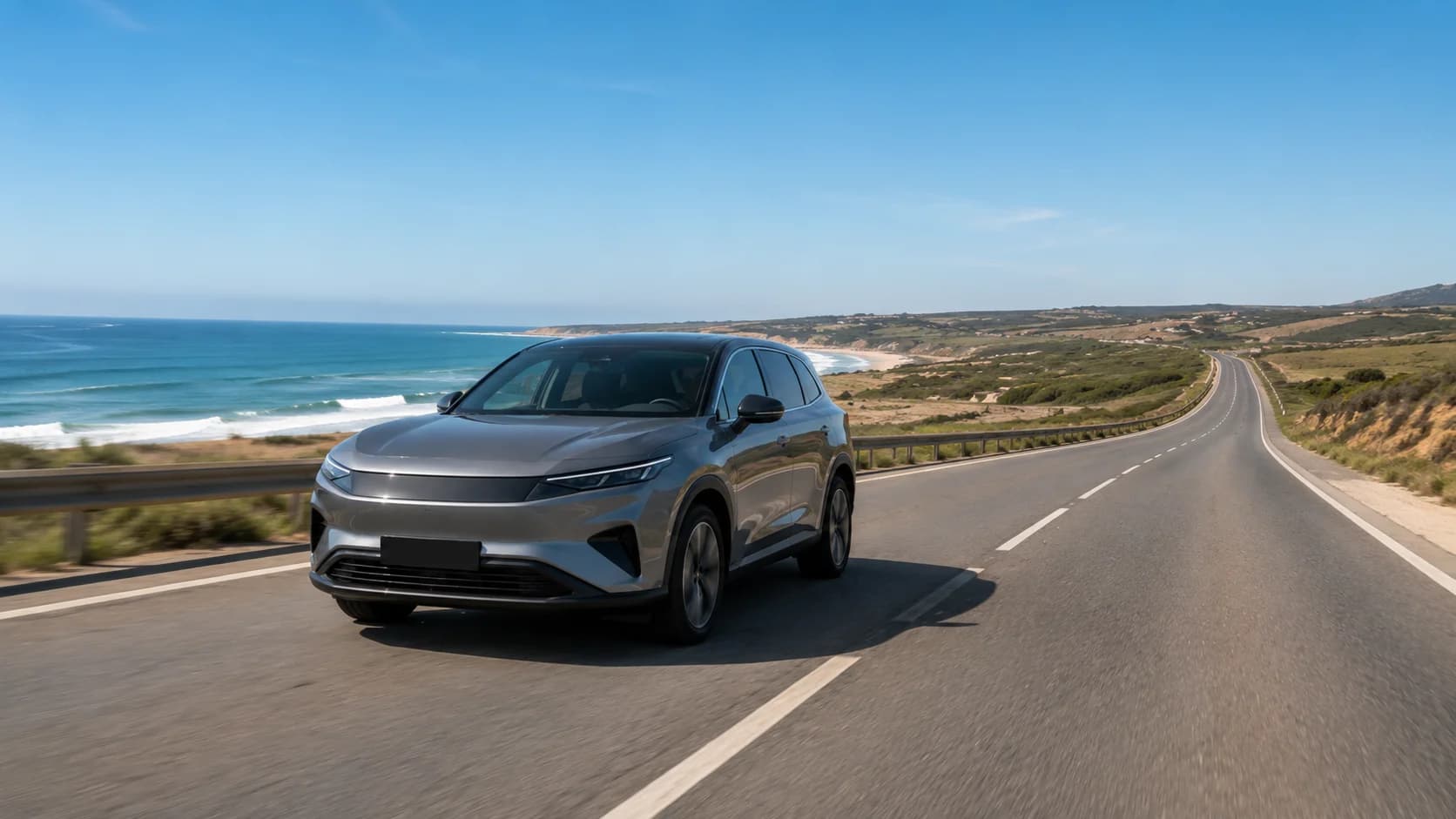
The right vehicle makes night driving more comfortable. A stable sedan is a good choice for motorway routes such as Casablanca to Rabat, El Jadida or Marrakech when you want comfort, good road handling and lower fuel use. A larger SUV is better when you want a higher driving position, stronger road presence and more confidence on longer routes or mixed road conditions.
For travellers leaving after dark, a 2025-model vehicle with strong headlights, good tires, clear mirrors, reliable brakes and modern driver comfort matters. A compact car can work for short city use, but for longer night motorway driving, many travellers feel safer in a sedan or SUV.
For confident after-dark driving, choose a stable, well-equipped SUV rental Casablanca or sedan rental Casablanca from MarHire Car Casablanca. Full insurance is included, WhatsApp support is available, and the team can help you choose a vehicle that matches your route, luggage and arrival time. If your plan includes rural roads, higher ground clearance or mixed surfaces, a 4x4 rental Casablanca may be the more comfortable choice.
FAQs
Is it safe to drive at night in Morocco?
Yes, it can be safe on major roads and motorways if you are rested, drive carefully and avoid risky rural routes. The safest plan is to use toll motorways where possible, reduce speed and avoid driving late when tired.
Is night driving on Moroccan motorways okay?
For most confident drivers, Moroccan motorways are the best option after dark. They are more predictable than national roads, with divided lanes and controlled access. You should still watch for trucks, lane changes, fatigue and glare.
What are the dangers of driving in Morocco at night?
The main dangers are reduced visibility, tiredness, pedestrians, animals, slow vehicles, glare from headlights and unexpected obstacles on poorly lit roads.
Should I avoid national roads at night in Morocco?
Avoid them when you can, especially if you are unfamiliar with the route. National roads can pass through villages and rural areas where lighting, shoulders and traffic behavior are less predictable.
Are there animals on the road at night in Morocco?
Yes, animals can appear on rural and coastal roads after dark. This is one reason to slow down on N-roads and avoid rural routes at night when possible.
How do I stay safe driving from Casablanca after dark?
Choose the motorway, check your lights, clean your windshield, keep extra distance, avoid overtaking unless it is clearly safe, and stop if you feel tired.
Is the coastal N1 road safe at night?
The coastal N1 can be manageable in some sections, but it needs more caution than a motorway. Expect less lighting, more local access, pedestrians near villages and possible animals or slow vehicles.
What car is best for night highway driving?
A modern sedan or SUV is best for night highway driving. A sedan is stable and efficient for motorway trips, while an SUV gives a higher driving position and more confidence on longer or mixed routes.
Should I drive to Marrakech at night?
You can drive from Casablanca to Marrakech at night if you are rested and stay on the motorway. If you arrive late, feel tired, or are not comfortable with night driving, it is better to sleep in Casablanca and leave in the morning.
What should I do if I get tired driving at night?
Stop at the next safe service area or well-lit place. Stretch, rest, drink water and do not continue if you feel sleepy. Fatigue is one of the biggest risks on long night drives.