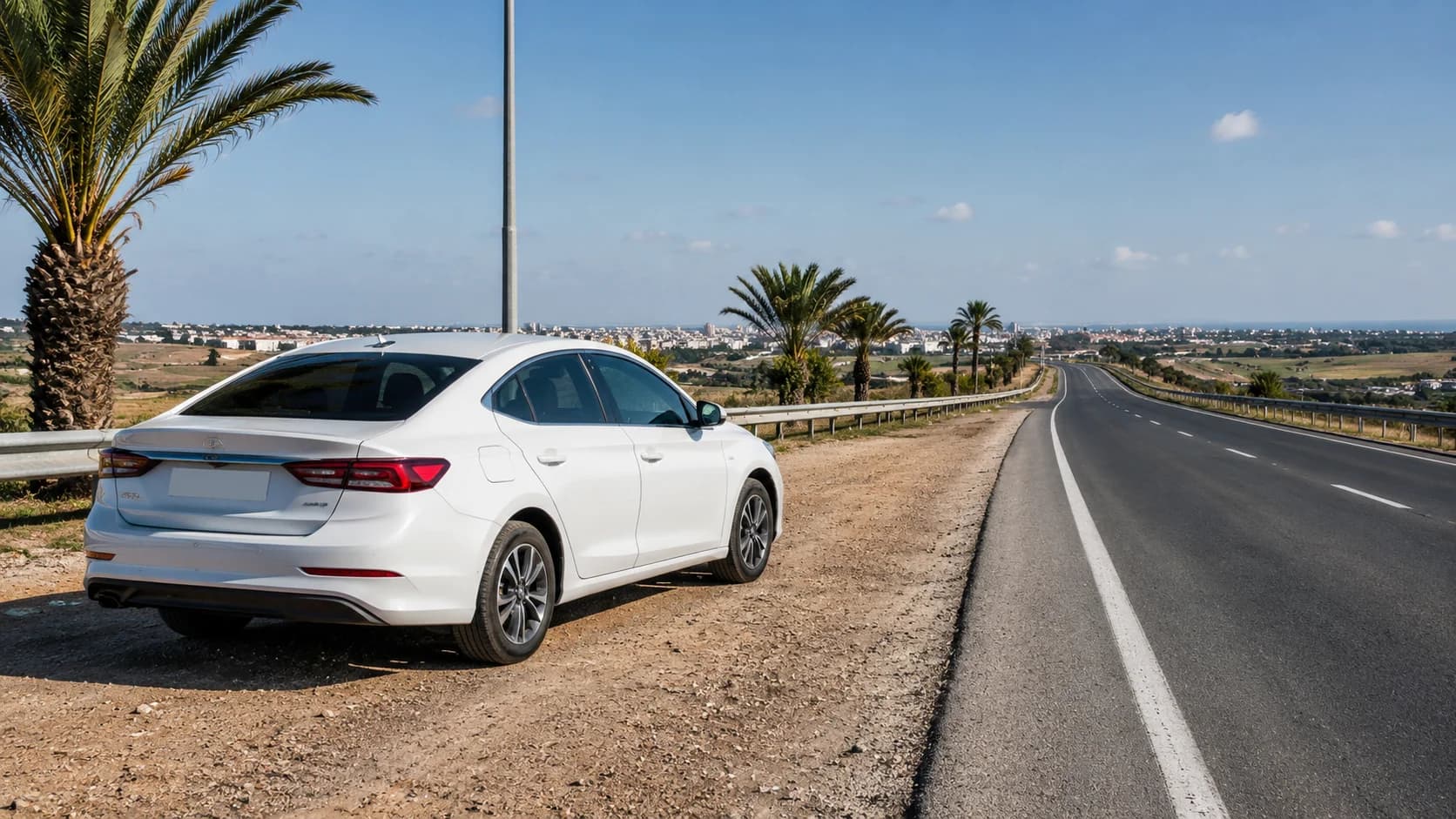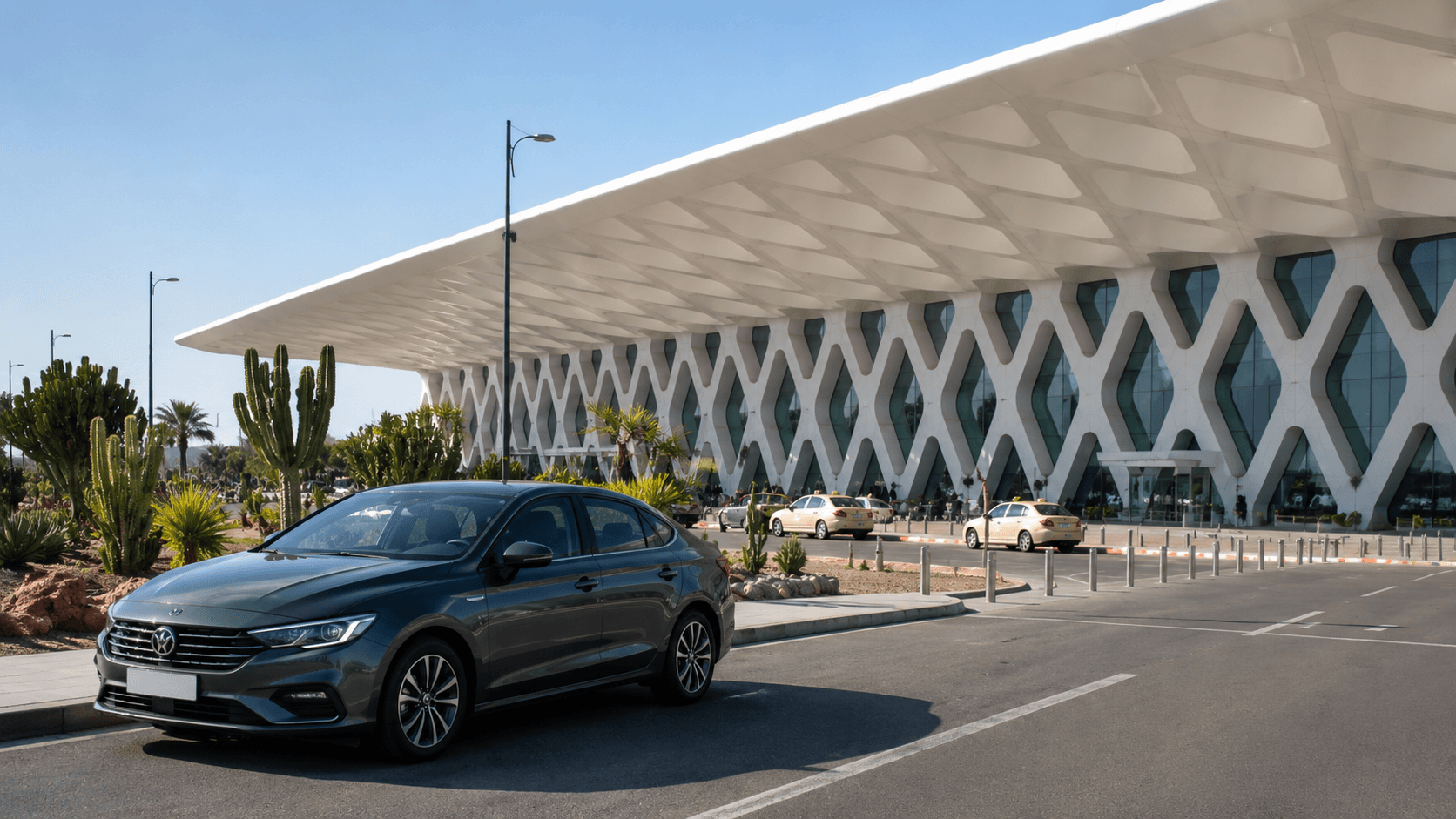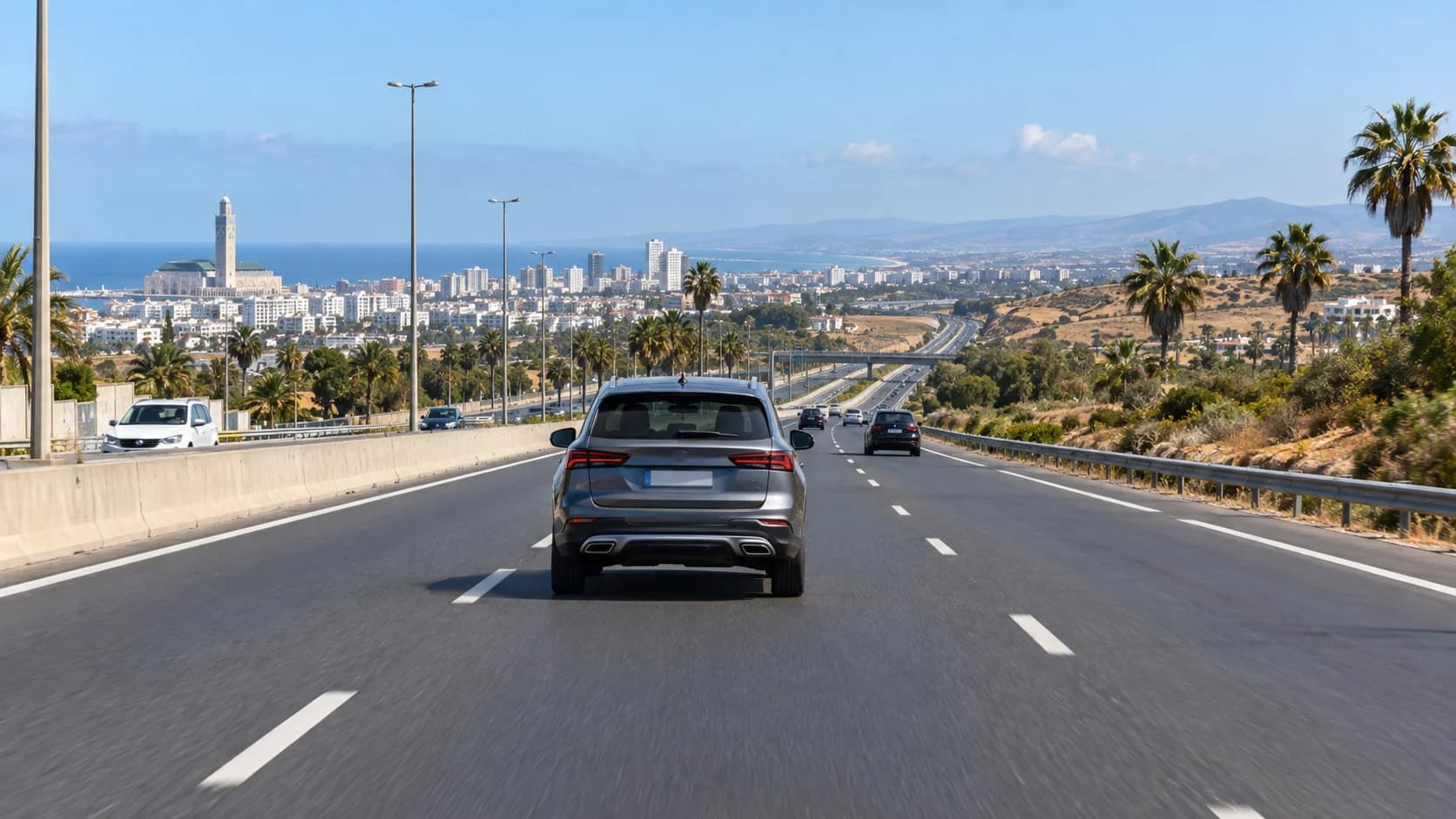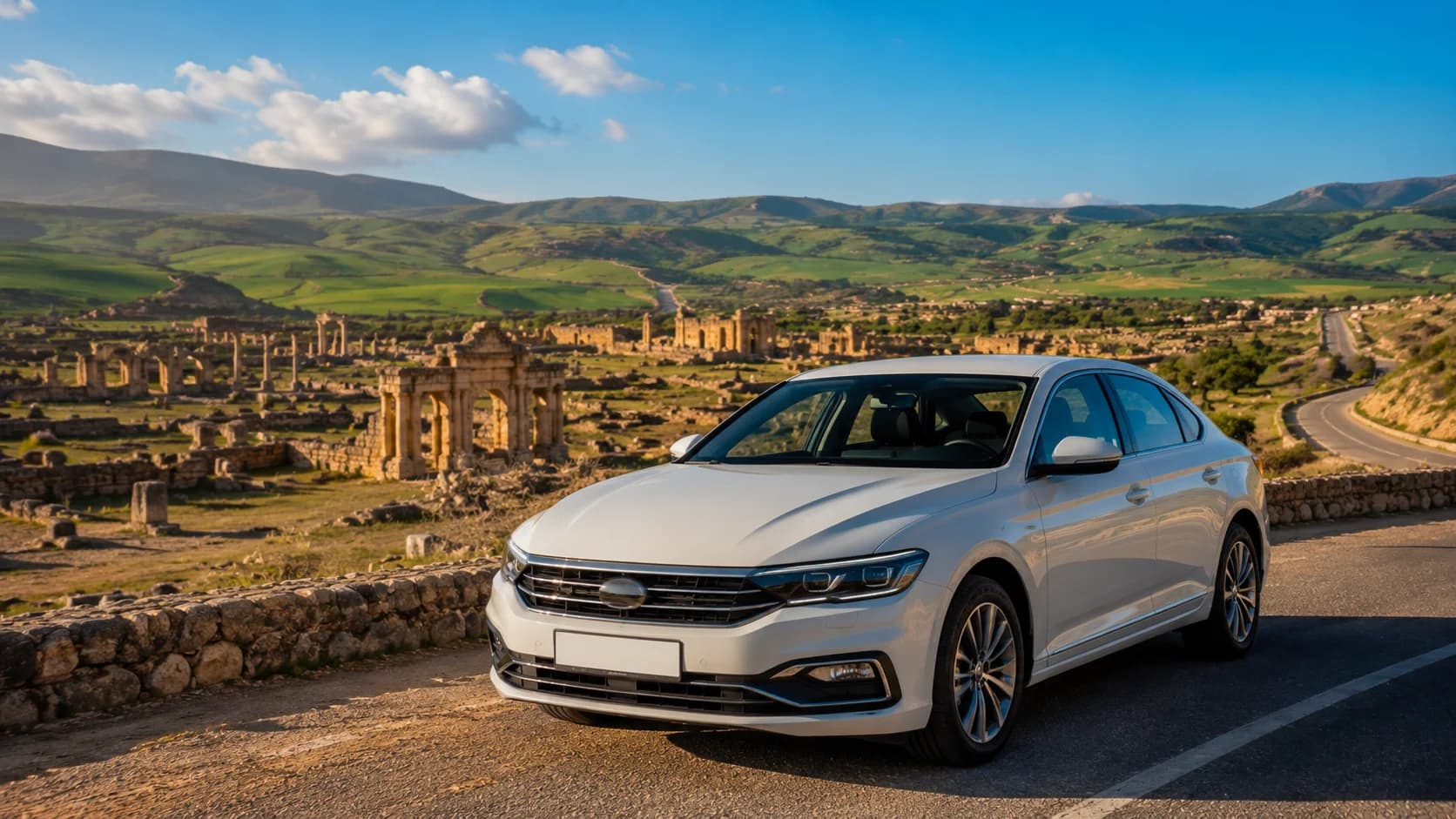








Driving from Casablanca to Ouarzazate by car is one of Morocco’s great road-trip routes. It begins on the Atlantic side of the country, moves through Marrakech, climbs into the High Atlas Mountains, crosses the famous Tizi n'Tichka pass, then drops into the cinematic landscapes of Aït Benhaddou and Ouarzazate. It is not just a transfer from one city to another. It is the first stage of a desert adventure.
For most travelers, the route is around 400 to 430 km depending on the pickup point in Casablanca and the exact road used, with a realistic full-day driving time once breaks, mountain curves and photo stops are included. Online distance estimates vary from about 399 km to 439 km, which is why planning by time, not only kilometers, is the smarter approach.
Table of Contents
-
The road to the desert gate
-
Distance, time and the route via Marrakech
-
Crossing the High Atlas with Tizi n'Tichka
-
Aït Benhaddou and the kasbah trail
-
Ouarzazate and onward to the dunes
-
Why a 4x4 or strong SUV matters
-
Mountain-driving safety
-
Tolls, fuel and altitude tips
-
Desert road-trip planner
-
FAQs
The road to the desert gate
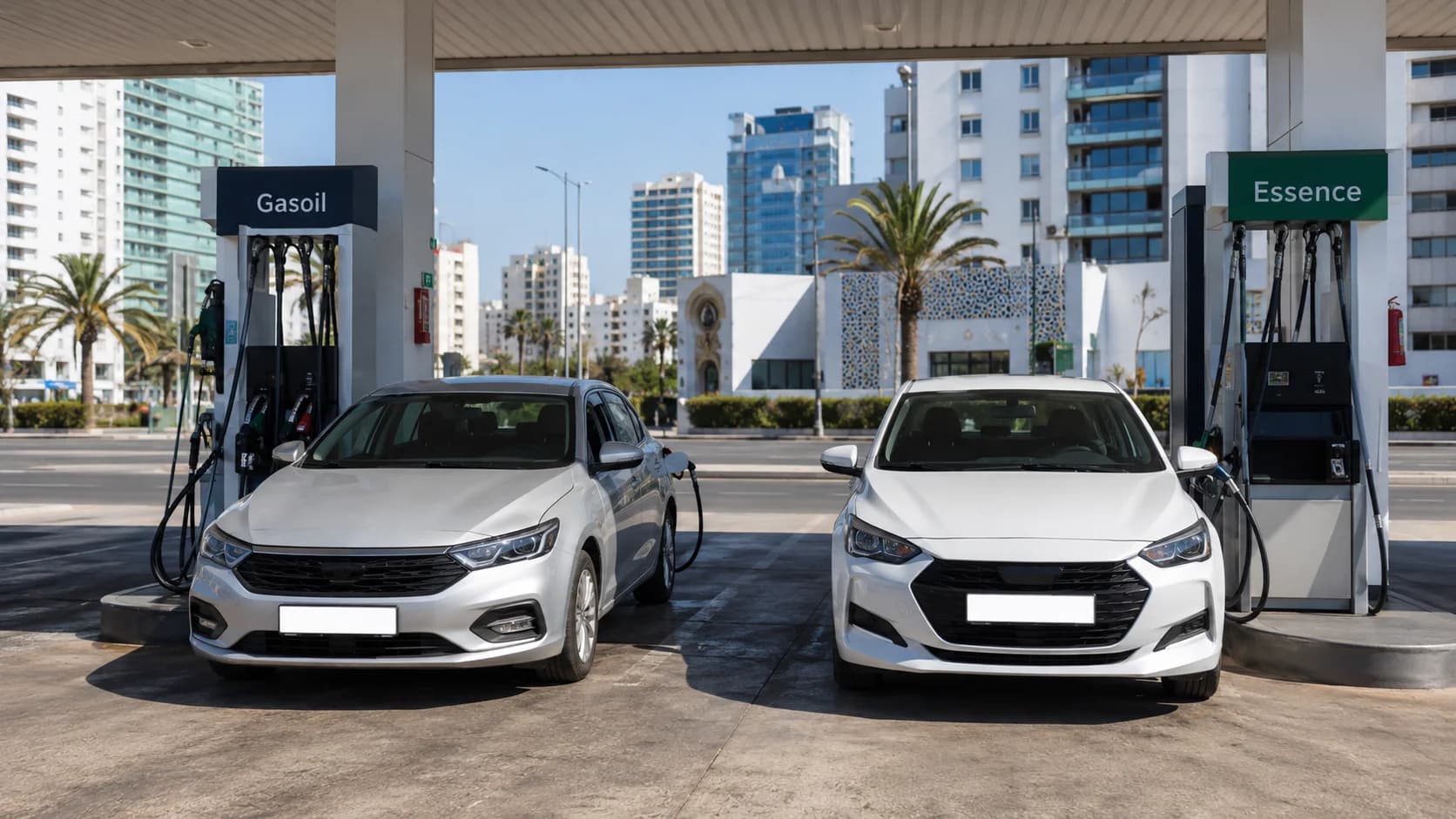
Casablanca is a practical launch point for a Morocco road trip because it connects international flights, city hotels, business districts and major motorway access. If you land at Mohammed V Airport or start from central Casablanca, you can collect your rental vehicle, load your bags and begin the journey south toward Marrakech before the landscape slowly changes from urban coast to plains, then mountain road.
The destination, Ouarzazate, is often called the gateway to southern Morocco. It is the natural pause before deeper routes toward Zagora, the Drâa Valley, Skoura, the Dadès Valley, Todra Gorge or Merzouga. For many travelers, it is the moment where a simple Morocco itinerary becomes a real road adventure.
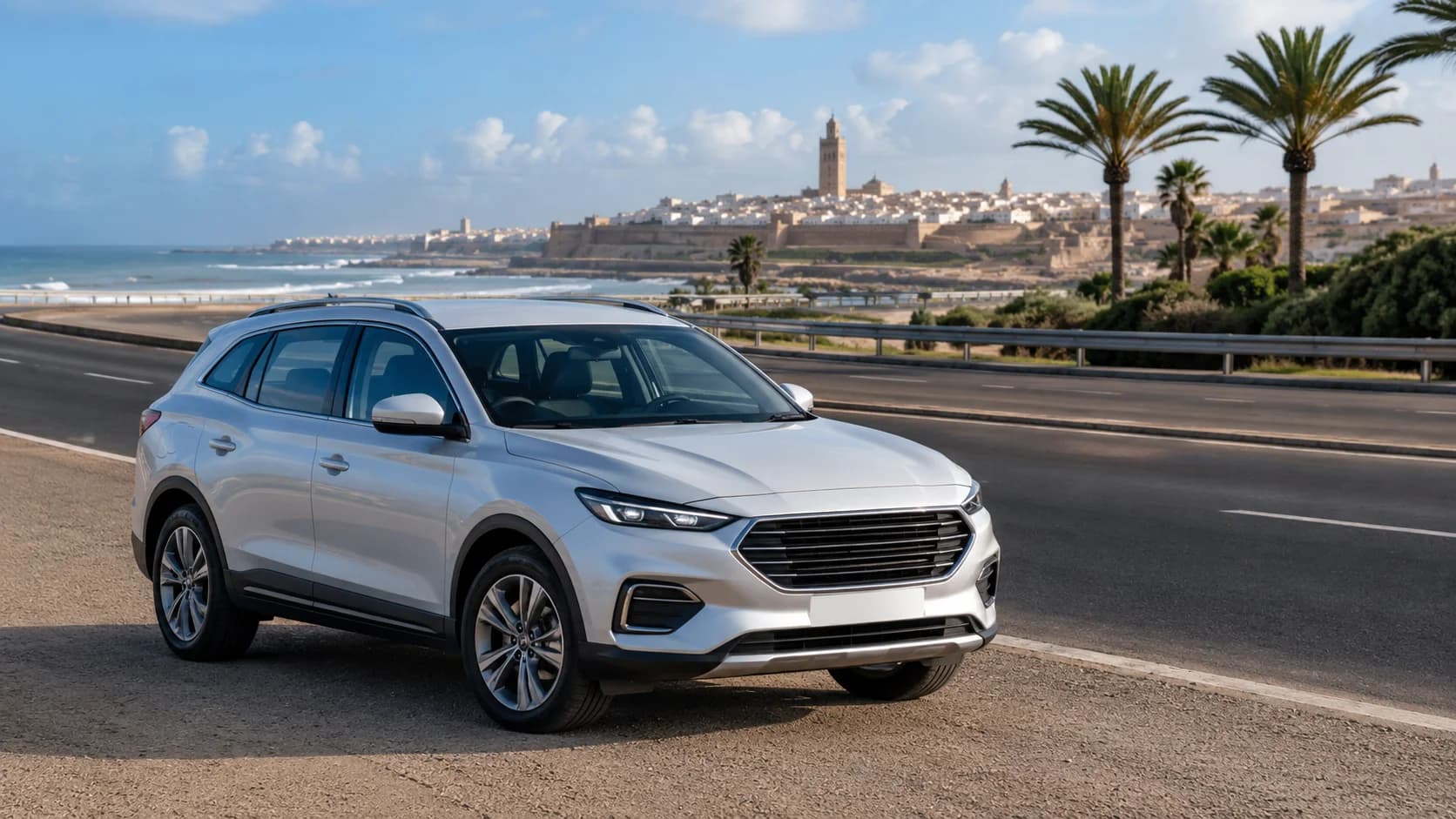
This is why the vehicle matters. You may not always need a full off-road vehicle just to reach Ouarzazate in normal conditions, but a capable 4x4 or strong SUV gives better comfort, confidence and luggage space on long climbs, uneven village roads, mountain bends and onward desert-side routes.
For this itinerary, MarHire Car Casablanca recommends checking available options through 4x4 rental Casablanca, SUV rental Casablanca and jeep rental Casablanca, especially if your route continues beyond Ouarzazate.
Distance, time and the route via Marrakech
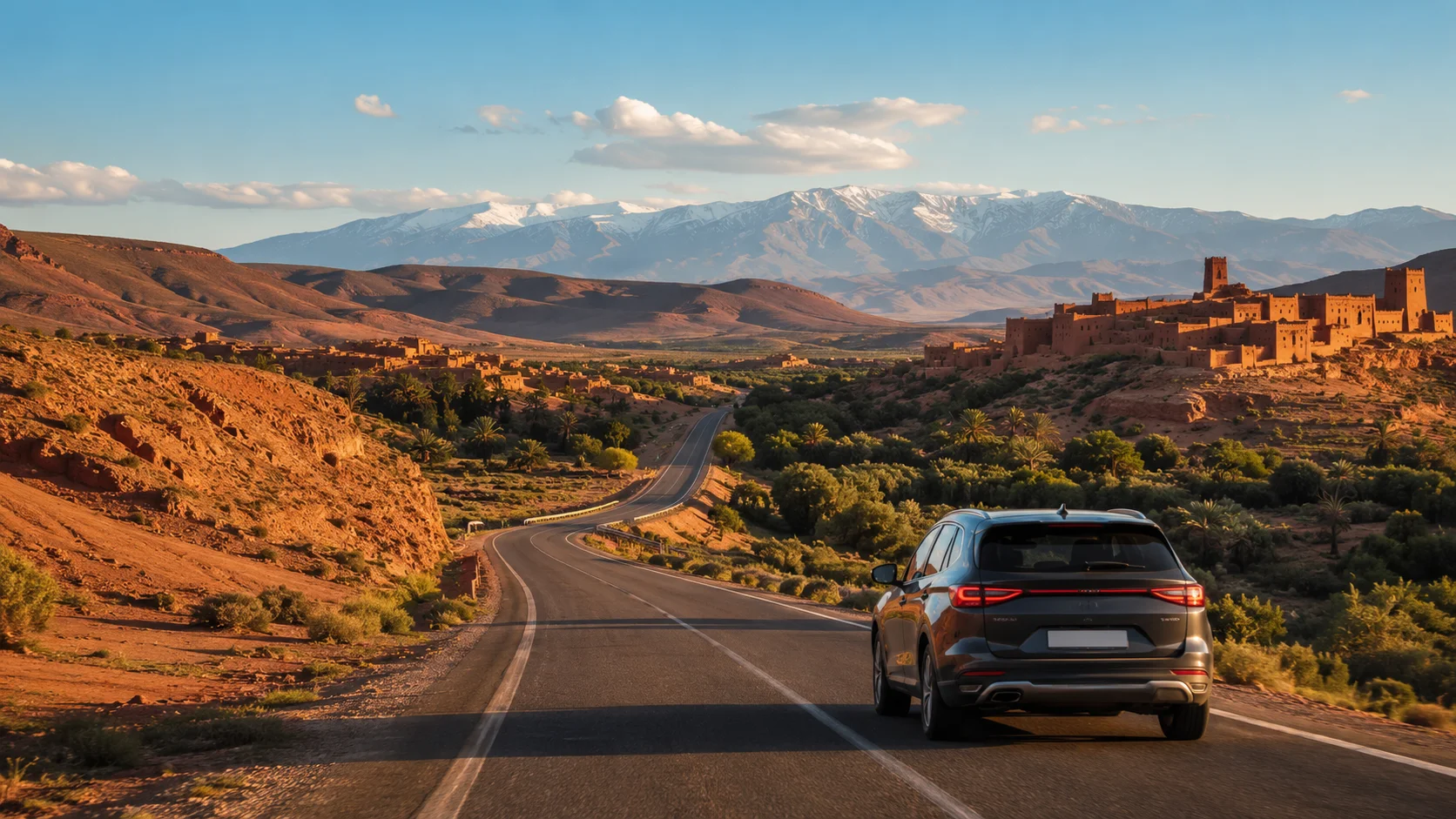
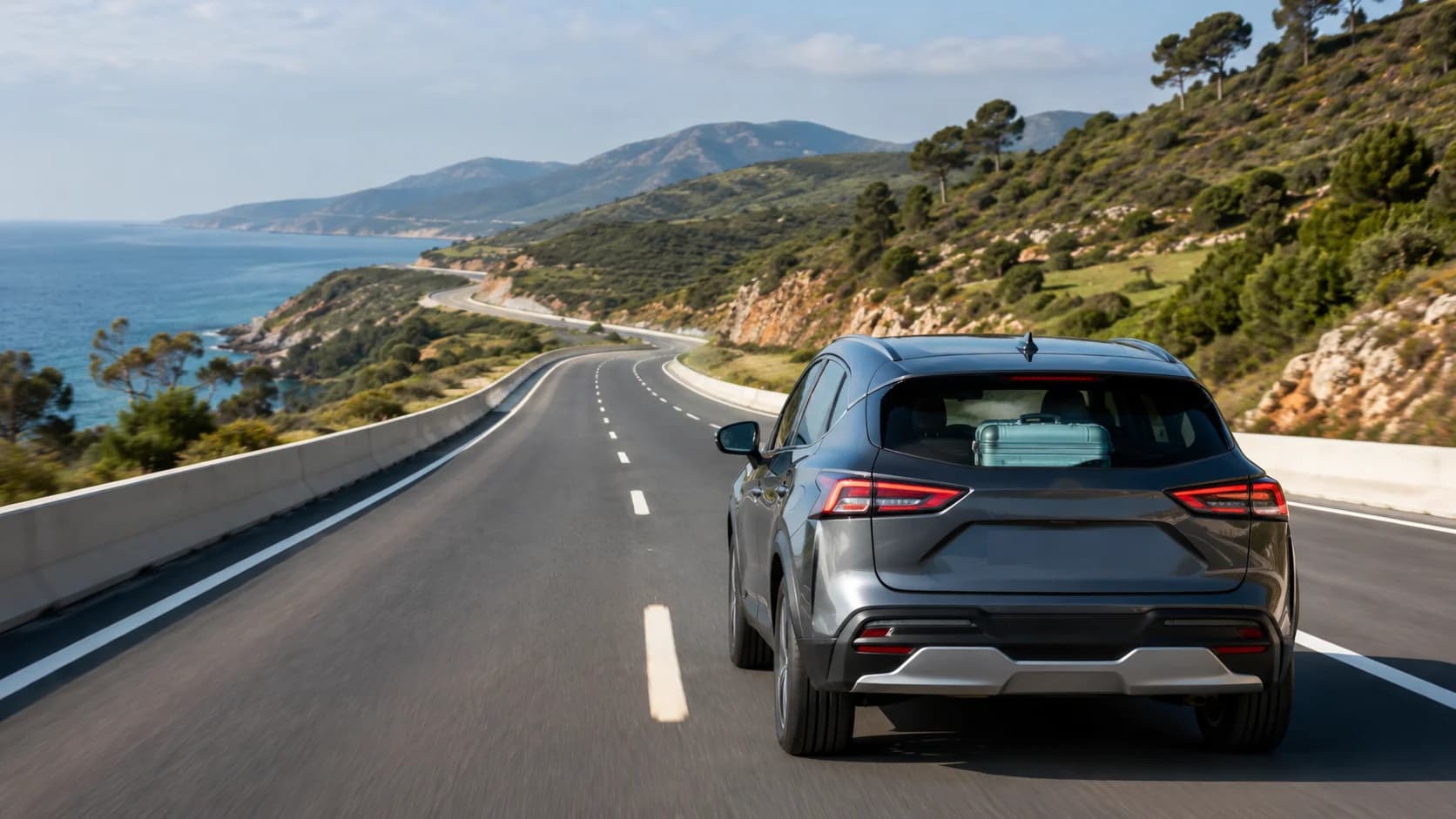
The most common route from Casablanca to Ouarzazate by car goes from Casablanca to Marrakech, then continues southeast across the High Atlas Mountains toward Ouarzazate. The first part is easier and faster, while the second part is slower, more scenic and more demanding.
A realistic plan looks like this:
Casablanca to Marrakech: motorway section, easier driving, good for making early progress.
Marrakech to Tizi n'Tichka: mountain approach with climbing roads and more curves.
Tizi n'Tichka to Aït Benhaddou: scenic descent with viewpoints, villages and kasbah landscapes.
Aït Benhaddou to Ouarzazate: short final section after the main mountain crossing.
On paper, the drive can look like six to seven hours. In real travel conditions, it is better to plan it as a full-day route. Add time for toll booths, fuel, lunch, coffee stops, slower traffic near Marrakech, mountain trucks, roadworks, viewpoints and the Aït Benhaddou detour.
If you leave Casablanca early in the morning, Ouarzazate by evening is realistic. If you want to explore Aït Benhaddou properly, take photos, have lunch and avoid rushing the mountain descent, an overnight stop near Aït Benhaddou or Ouarzazate can make the journey much more relaxed.
Crossing the High Atlas with Tizi n'Tichka
The highlight of the drive is the Atlas mountains drive between Marrakech and Ouarzazate. The road climbs into the High Atlas through bends, switchbacks, villages and wide views. The Tizi n'Tichka pass is the famous high point of this route, linking the Marrakech side with the Ouarzazate side across the mountains. It is widely listed at around 2,205 to 2,260 meters above sea level depending on the source and measurement.
This section is beautiful, but it asks for patience. You are not driving a straight highway anymore. Expect sharper curves, slow trucks, changing surfaces, occasional loose gravel near edges, colder temperatures at altitude in winter and strong sunlight during clear days.
The road is generally manageable for experienced, calm drivers, but the mistake many visitors make is treating it like a normal city-to-city drive. It is not. The better approach is to slow down, keep distance, avoid risky overtaking and enjoy the route as part of the trip.
A strong SUV or 4x4 helps here because the seating position is higher, the engine feels more comfortable on climbs and the suspension is better suited to uneven road patches. For families or groups, it also gives more space for luggage, water, jackets and camera gear.
Aït Benhaddou and the kasbah trail
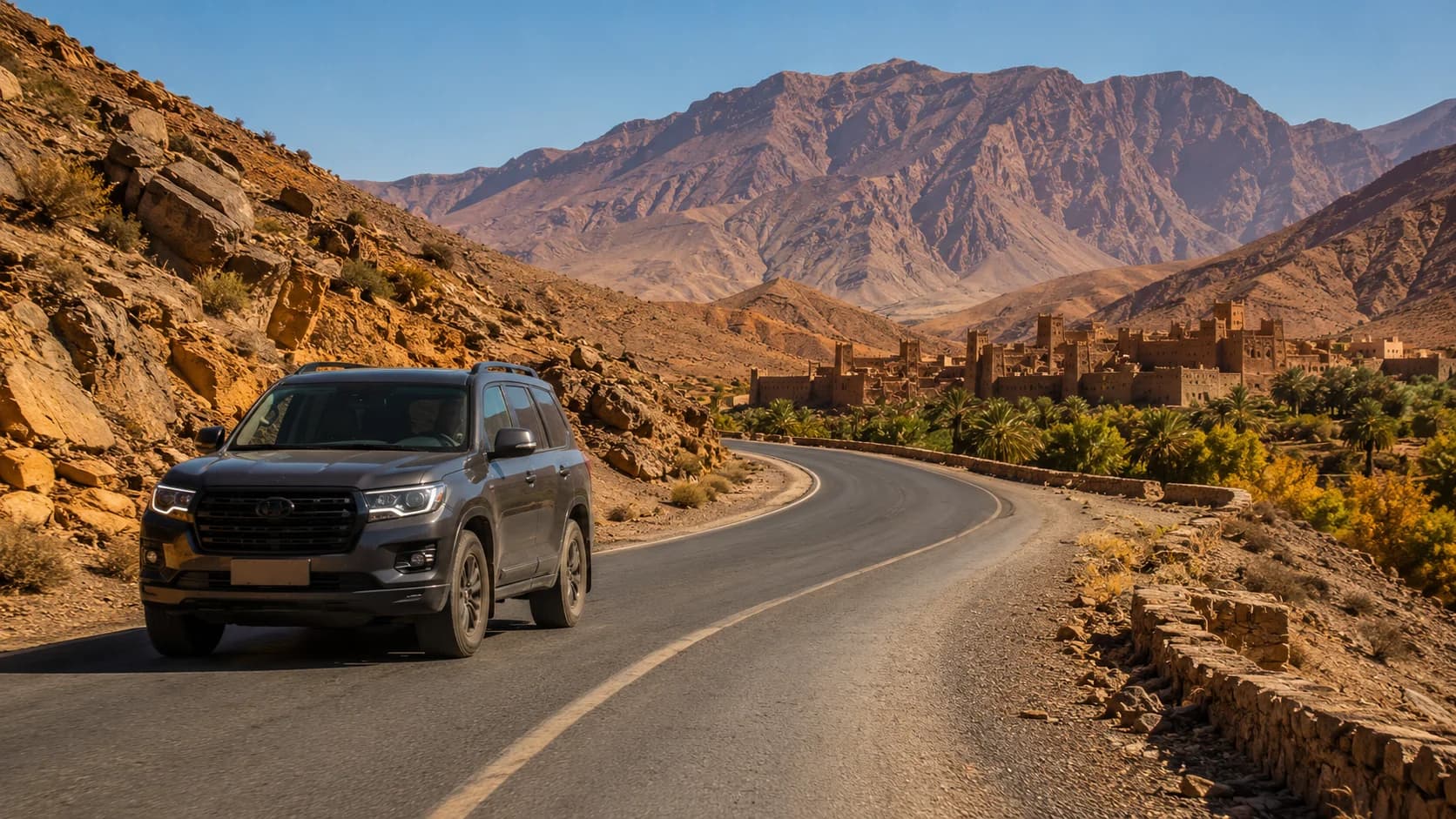
Aït Benhaddou is the most important stop between Marrakech and Ouarzazate. The Ksar of Aït Benhaddou is a UNESCO World Heritage Site and one of Morocco’s best-known examples of southern earthen architecture. UNESCO describes it as an important example of a ksar representing traditional earthen construction in southern Morocco.
For road-trippers, Aït Benhaddou works perfectly as a late lunch stop, afternoon visit or overnight pause. You can park near the village area, walk toward the ksar, cross into the old settlement and climb for wide views over the valley.
This stop also gives the journey a clear rhythm. Instead of driving all day just to reach Ouarzazate, you break the trip with culture, architecture and scenery. It is one of the reasons the Casablanca to Ouarzazate road trip is more rewarding than a simple point-to-point transfer.
The wider kasbah trail continues around Ouarzazate, Skoura and the valleys beyond. If your plan includes Skoura palm grove, Kasbah Amridil, the Dadès Valley or Todra Gorge, the advantage of a capable vehicle becomes even clearer. The main roads are usually accessible, but side roads, hotel tracks, village access roads and viewpoint stops can be less smooth.
Ouarzazate and onward to the dunes
Ouarzazate is not the Sahara itself, but it is the gateway to the desert routes. From here, travelers usually choose between two major directions.
The first direction is toward Zagora and the Drâa Valley. This route is often chosen for shorter desert-style itineraries, palm groves, kasbahs and a first taste of southern Morocco. It is a good option if you have limited time after leaving Casablanca.
The second direction is toward Merzouga and Erg Chebbi. This is a longer and more ambitious route, usually requiring more days. It takes you deeper into southeast Morocco and closer to the classic dune landscapes many travelers imagine when they think of the Sahara.
Trying to drive from Casablanca to Ouarzazate and then continue straight to the dunes in one day is not a good plan. It is too long, too tiring and removes the value of the route. A smarter desert road trip uses Ouarzazate as a pause, then continues the next day.
A better plan is:
Day 1: Casablanca to Ouarzazate with Aït Benhaddou stop.
Day 2: Ouarzazate to Zagora or Dadès Valley.
Day 3: Continue to Merzouga or return depending on your itinerary.
Day 4 or 5: Return via a different route if time allows.
Why a 4x4 or strong SUV matters
The phrase 4x4 desert Morocco Casablanca can sometimes create confusion. A 4x4 does not mean you should drive randomly into dunes or leave marked roads without local guidance. Desert driving requires experience, local knowledge and the right conditions. For most visitors, the value of a 4x4 or SUV is practical, not extreme.
A capable vehicle helps with:
Long-distance comfort from Casablanca to the south.
Higher driving position on mountain roads.
Better control on steep climbs and descents.
More luggage space for multi-day travel.
Better ground clearance near kasbahs, guesthouses and village tracks.
More confidence if weather changes in the Atlas.
More comfort for families, groups and photography stops.
A normal small car may be enough for Casablanca to Ouarzazate in good weather if you stay on the main roads. But if you are carrying several passengers, planning desert-side routes, visiting valleys, staying in remote lodges or driving in winter, a strong SUV or 4x4 is the smarter rental choice.
For this route, the best rental category is usually a rugged SUV, 4x4 or Jeep-style vehicle from Casablanca. It gives you the flexibility to drive the main road comfortably and continue beyond Ouarzazate without feeling limited.
Mountain-driving safety
The Atlas section is the part of the trip where careful driving matters most. The road is scenic, but it is still a mountain road with bends, altitude, trucks, local traffic and occasional changes in weather.
The main safety rule is simple: do not rush. Leave Casablanca early, avoid starting the mountain crossing too late, and do not plan a tight arrival time in Ouarzazate. If the road is slower than expected, accept it.
Use engine braking on long descents instead of riding the brakes constantly. Keep both hands on the wheel through switchbacks. Leave extra space behind trucks and buses. Only overtake when visibility is clear and the road markings allow it.
In winter, check the weather before leaving Marrakech toward the pass. Rain, fog or snow can make the route slower and more stressful. Even outside winter, mountain temperatures can change quickly, so keep jackets, water and snacks in the car.
Avoid driving the Tizi n'Tichka section at night if this is your first time on the route. The road is easier to read in daylight, and the views are one of the main reasons to drive this route anyway.
Tolls, fuel and altitude tips
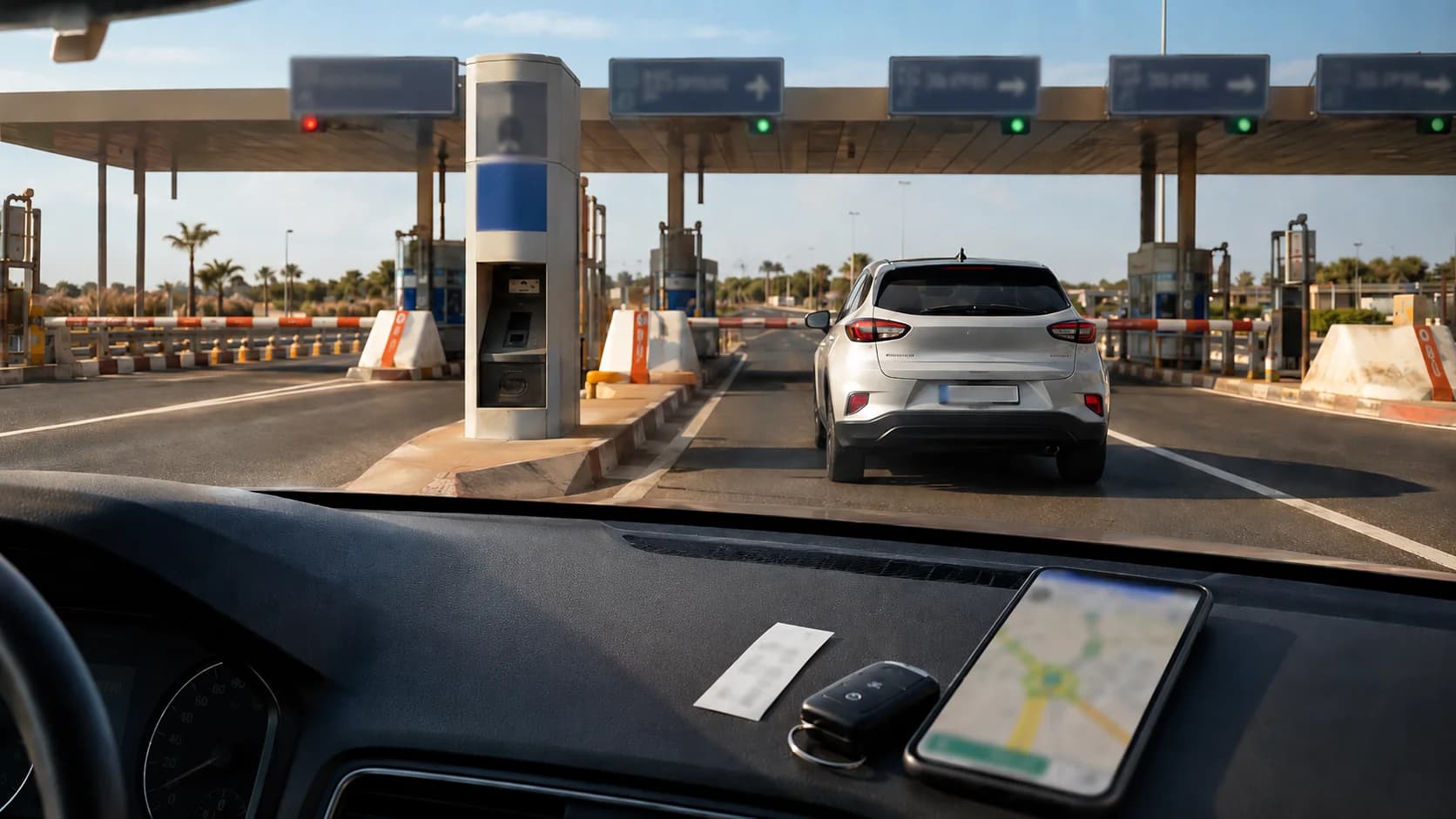
The Casablanca to Marrakech part usually involves motorway driving, so prepare for tolls. Morocco’s motorway network is managed by Autoroutes du Maroc, and drivers can use toll sections on major intercity routes such as Casablanca to Marrakech.
Keep cash in Moroccan dirhams for tolls, small cafés and fuel stops, even if you use a card in larger stations. Fuel is easy to find around Casablanca, Marrakech and major towns, but you should still refill before climbing into the mountains. Do not wait until the tank is nearly empty.
A simple fuel plan:
Start with a full tank in Casablanca.
Refuel near Marrakech before the mountain section.
Top up again in Ouarzazate before continuing south.
For Zagora, Dadès or Merzouga routes, refill whenever you have a good opportunity.
Altitude can also affect comfort. Some travelers feel tired faster in the mountains, especially after a long flight. Take breaks, drink water and do not overload the first day with too many stops. If you are arriving at Casablanca airport after a night flight, consider staying one night in Casablanca or Marrakech before driving the Atlas route.
Desert road-trip planner
For a smooth Casablanca to Ouarzazate by car itinerary, build the route around daylight and realistic stops.
One-day direct plan
This works if your goal is simply to reach Ouarzazate.
Leave Casablanca early.
Drive to Marrakech using the motorway.
Stop for fuel and coffee before the Atlas.
Cross Tizi n'Tichka slowly.
Arrive in Ouarzazate by evening.
This plan is efficient, but it does not leave much time for Aït Benhaddou.
Two-day scenic plan
This is better for most travelers.
Day 1: Casablanca to Marrakech or Aït Benhaddou.
Day 2: Aït Benhaddou to Ouarzazate, with time for kasbah visits and viewpoints.
This version makes the drive more enjoyable and less tiring.
Four to five-day desert plan
This is the best option if you want the full desert gate experience.
Day 1: Casablanca to Marrakech.
Day 2: Marrakech to Aït Benhaddou and Ouarzazate.
Day 3: Ouarzazate to Dadès Valley, Zagora or Merzouga direction.
Day 4: Desert experience or valley route.
Day 5: Return toward Marrakech or continue your Morocco loop.
For this version, a 4x4 or SUV is strongly recommended. You will spend more time on long roads, carry more luggage and likely access more remote accommodations or viewpoints.
FAQs
How far is Ouarzazate from Casablanca by car?
Ouarzazate is roughly 400 to 430 km from Casablanca by car, depending on your exact starting point and route. The drive usually goes via Marrakech and the High Atlas Mountains.
How long is the drive from Casablanca to Ouarzazate?
The drive can take around six to eight hours in realistic conditions, but it is better to treat it as a full-day road trip. Mountain traffic, breaks, fuel stops and Aït Benhaddou can add extra time.
Do I need a 4x4 to drive to Ouarzazate?
You do not always need a 4x4 for the main paved route in normal weather. However, a 4x4 or strong SUV is much more comfortable and practical for the Atlas Mountains, luggage, family travel and onward desert routes.
What is the route from Casablanca to Ouarzazate?
The usual route goes from Casablanca to Marrakech, then southeast over the High Atlas via Tizi n'Tichka, before continuing toward Aït Benhaddou and Ouarzazate.
Is the Tizi n'Tichka pass difficult to drive?
It is manageable for careful drivers, but it is a real mountain road with curves, climbs, descents and slower traffic. Drive in daylight, keep distance and avoid risky overtaking.
Can I visit Aït Benhaddou by rental car?
Yes. Aït Benhaddou is a popular rental-car stop between Marrakech and Ouarzazate. Park in the visitor area, then explore the ksar on foot.
Is it safe to drive over the Atlas Mountains?
Yes, if you drive carefully and respect the conditions. The key is to avoid rushing, check weather in winter, use a suitable vehicle and cross the mountain section during daylight.
Can I reach the Sahara desert from Casablanca by car?
Yes, but not comfortably in one day. Casablanca to Ouarzazate is already a full-day route. For Zagora, Dadès or Merzouga, plan a multi-day itinerary.
How many days do I need for a desert road trip?
A quick desert-style trip needs at least three days, but four to five days is much better. This gives you time for Ouarzazate, Aït Benhaddou, valleys and the dunes without driving all day every day.
What car is best for the Atlas and desert?
A strong SUV, 4x4 or Jeep-style rental is best for this route. It gives better comfort, ground clearance, luggage space and confidence for mountain roads and desert-side travel.
Ready for the Atlas and beyond?
Built for the Atlas and beyond, MarHire Car Casablanca helps travelers rent a capable 4x4, Jeep or rugged SUV with unlimited kilometres, full insurance and flexible pickup options. Whether your plan is Casablanca to Ouarzazate, Aït Benhaddou, Zagora, Dadès or Merzouga, choose a vehicle that makes the climb safer, smoother and more comfortable.